It was 9:15 on a Tuesday night. The house was finally quiet, the kids were asleep, and I was standing in my kitchen staring at the pantry like it owed me money. You know that feeling? The one where you’ve had a long day, your brain is fried, but your body is screaming for something sweet? Not a salad. Definitely not leftover chicken. Something warm, gooey, and chocolatey.
I was ready to just go to bed. But then I saw it: a bag of almond flour, a tub of coconut oil, and a half-empty bag of sugar-free chocolate chips. I had about five minutes before I gave up on life. So, I threw them into a small cast-iron skillet, popped it in the oven, and waited.
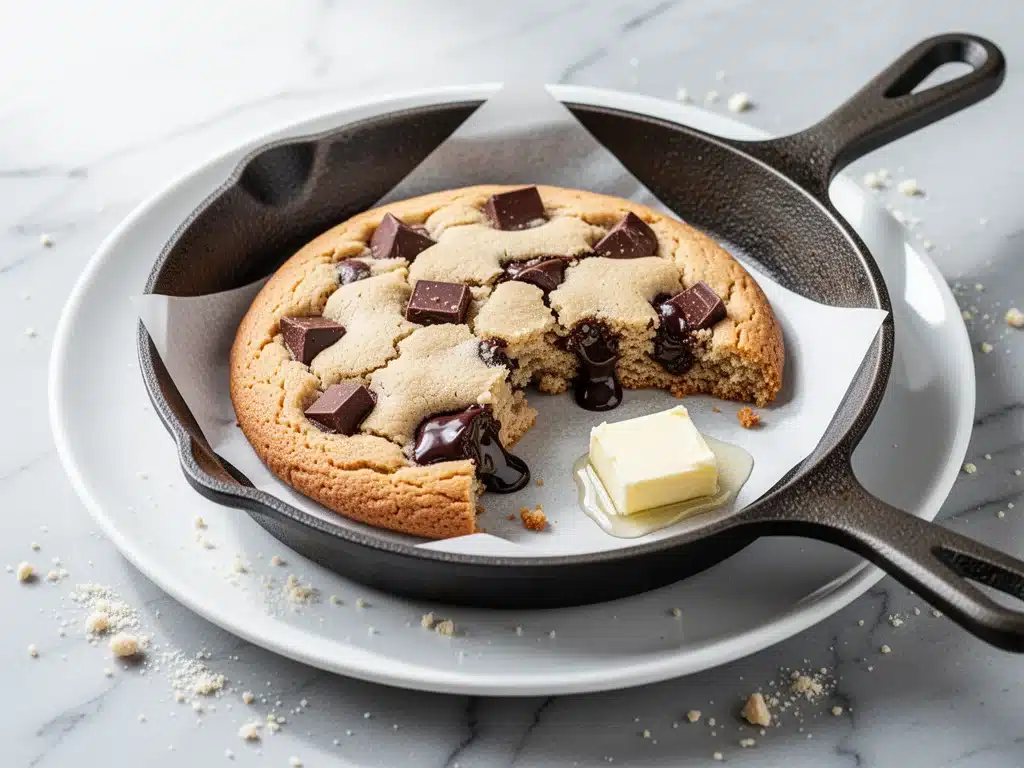
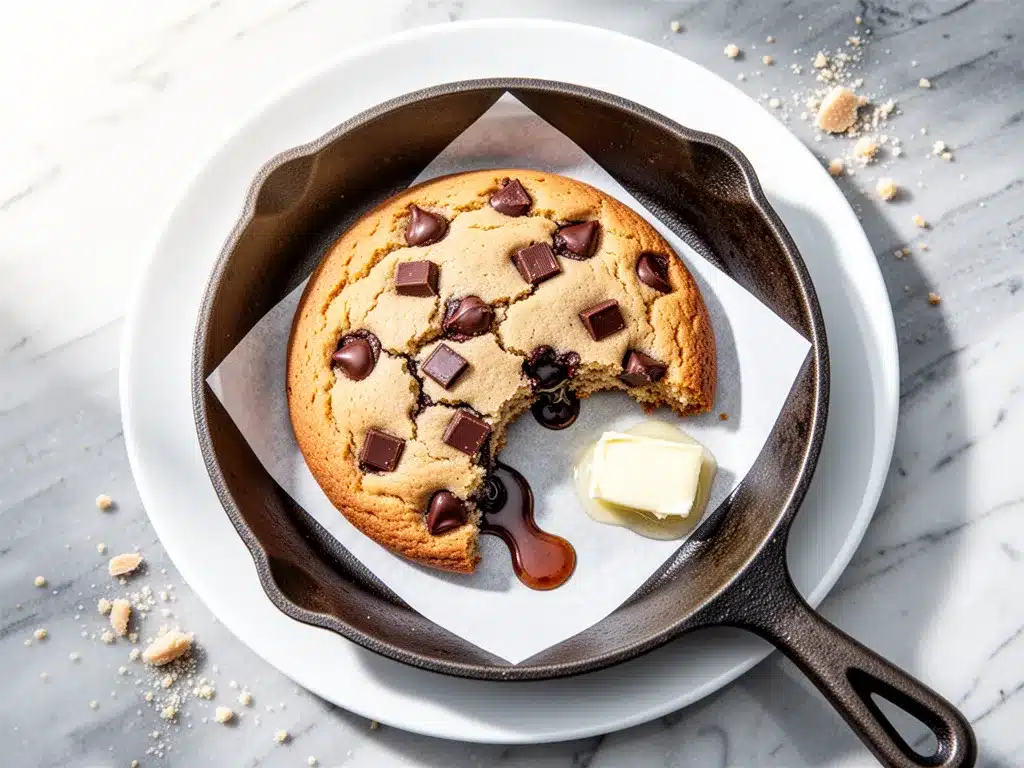
Twenty minutes later, I pulled out a skillet that smelled like a bakery but had fewer carbs than a single slice of bread. I dug a spoon into the center—still warm and molten—and took a bite. It was chewy. It was rich. It was basically a cookie, but without the 30-gram carb crash that usually follows a regular chocolate chip cookie.
That accidental midnight snack turned into a habit. Now, this low-carb chocolate chip cookie skillet is my go-to when I need a treat that doesn’t wreck my diet or my energy levels. It’s perfect for busy weeknights when you don’t have time to bake a full batch of cookies, but you still crave that warm, homemade comfort. I’ve made it at least a dozen times since that random Tuesday, tweaking the ratios until I got the texture just right—crispy edges, soft center, and enough chocolate to make you happy.
If you’re watching your carbs, managing blood sugar, or just trying to cut back on sugar without giving up dessert, this recipe is a game-changer. It’s stupid simple, requires minimal cleanup, and tastes like you spent hours in the kitchen (even though it takes less time than ordering takeout).
Why You’ll Love This Low-Carb Chocolate Chip Cookie Skillet
There are a lot of “healthy” desserts out there, but let’s be real: many of them taste like cardboard or leave you wanting more. This low-carb chocolate chip cookie skillet is different. It actually tastes like a treat. Here’s why it’s become a staple in my kitchen:
- Zero Guilt, All Flavor — Seriously, no brain fog afterward. I’ve tried keto desserts that left me feeling sluggish, but this one? It’s satisfying without the crash. My husband, who isn’t even on a low-carb diet, loves it just as much because it’s genuinely delicious.
- Ready in 20 Minutes — From mixing to eating, it’s under 20 minutes. That’s faster than waiting for a delivery app to connect. Perfect for those “I need dessert now” moments.
- One Bowl, One Skillet — Minimal dishes. I hate cleanup almost as much as I love baking. With this recipe, you mix everything in one bowl, bake in one skillet, and eat straight from the pan. Win-win.
- Gluten-Free and Grain-Free — Made with almond flour, so it’s naturally gluten-free. If you have friends or family with sensitivities, this is a safe, inclusive dessert that everyone can enjoy.
- Customizable — Want nuts? Add them. Want sea salt on top? Do it. Want to add a scoop of vanilla ice cream? Absolutely. This skillet is a blank canvas for your sweet tooth.
This isn’t just a “diet” recipe. It’s a real, honest-to-goodness dessert that happens to be kinder to your body. I make it when I’m stressed, when I’m celebrating, or just because it’s Tuesday. It’s reliable, it’s fast, and it always makes me smile.
Ingredients You’ll Need
Here’s the best part: you probably already have most of these ingredients on hand. This low-carb chocolate chip cookie skillet relies on simple, whole-food ingredients that you can find at any grocery store. No weird powders or hard-to-find supplements required.
For the Dough
Almond flour (1 cup / 112g) — This is the base. Use blanched almond flour for a lighter color and milder flavor. Don’t use almond meal (the skin-on stuff) unless you want a gritty texture. I always buy Bob’s Red Mill or Kirkland brand—they’re consistent.
Coconut oil (1/4 cup / 55g, melted) — Gives that rich, buttery mouthfeel without dairy. Make sure it’s melted but not hot. If it’s boiling, it’ll cook the eggs. I usually microwave it for 20-30 seconds.
Butter (2 tablespoons / 30g, melted) — I add a little real butter for flavor depth. If you’re strict dairy-free, you can swap this for more coconut oil, but the butter makes it taste more like a traditional cookie.
Almond butter (2 tablespoons / 32g) — This adds structure and that nutty richness. Use smooth, natural almond butter. If it’s separated, just stir it well. No need to buy the sweetened kind.
Egg (1 large) — Binds everything together. Room temperature works best, but cold is fine too. Don’t skip this; it’s what holds the skillet together.
Egg yolk (1 large) — This is my secret weapon. The extra yolk adds fat and moisture, making the center super fudgy and chewy. It’s the difference between a dry cake and a gooey cookie.
Vanilla extract (1 teaspoon) — Pure vanilla, not imitation. It enhances the chocolate flavor. I use Nielsen-Massey because the flavor is potent.
For the Sweetness
Erythritol (1/2 cup / 100g) — Or a keto-friendly brown sugar alternative like Swerve Brown. Erythritol has a slight cooling effect, so if you dislike that, use the brown sugar blend. It mimics the caramel notes of real sugar.
Baking powder (1/2 teaspoon) — Helps it rise slightly. Don’t use baking soda; it can leave a soapy taste in this recipe.
Salt (1/4 teaspoon) — Essential. Even in dessert, salt balances the sweetness. Use fine sea salt.
For the Mix-Ins
Sugar-free chocolate chips (1/2 cup / 85g) — I use Lily’s Chocolate Chips (semi-sweet). They melt beautifully and don’t have that weird aftertaste some other brands have. You can also chop up a sugar-free chocolate bar for bigger chunks.
Optional: Walnuts or Pecans (1/4 cup, chopped) — If you like crunch, add them. I usually skip them to keep it simple, but they add a nice texture contrast.
For Serving
Sea salt flakes — A pinch on top after baking elevates the flavor instantly.
Whipped cream or keto ice cream — For the ultimate indulgence. I keep some coconut whipped cream in the fridge for this exact purpose.
Equipment Needed
You don’t need fancy gadgets for this. Here’s what I actually use:
6-inch or 8-inch cast-iron skillet — This is ideal. The cast iron distributes heat evenly and gives you those crispy edges I love. If you don’t have cast iron, an oven-safe ceramic ramekin or a small metal cake pan works too. Just adjust baking time slightly.
Mixing bowl — Any medium-sized bowl. I usually use a glass one so I can see everything.
Fork or whisk — For mixing the wet ingredients. No mixer needed.
Spatula — To scrape the bowl and spread the dough.
Oven — Preheated to 350°F (175°C). Standard bake setting is fine.
Parchment paper — Optional, but I line my skillet with it for easier cleanup. It’s not strictly necessary if you’re okay with scrubbing the pan later.
How to Make It: Step-by-Step
Alright, let’s make this! It’s incredibly straightforward. I’m walking you through exactly how I do it, including the little tricks I’ve picked up over time.
Step 1: Prep Your Oven and Skillet (2 minutes)
Preheat your oven to 350°F (175°C). If you’re using a cast-iron skillet, you don’t necessarily need to grease it if it’s well-seasoned, but I lightly spray it with cooking spray or rub a little coconut oil around the inside to ensure easy release. Line with parchment paper if you want zero cleanup.
Step 2: Mix the Wet Ingredients (3 minutes)
In your mixing bowl, combine the melted coconut oil, melted butter, almond butter, egg, and egg yolk. Whisk them together vigorously until they are fully emulsified and smooth. This is crucial—if the oil and egg don’t blend well, your dough might be grainy. Add the vanilla extract and mix again.
Step 3: Add the Dry Ingredients (2 minutes)
Add the almond flour, erythritol (or brown sugar alternative), baking powder, and salt to the wet mixture. Stir with a spatula or fork until a thick, cohesive dough forms. It will look like cookie dough. If it’s too dry, add a teaspoon of almond milk. If it’s too wet, add a sprinkle more almond flour.
Step 4: Fold in the Chocolate Chips (1 minute)
Stir in the sugar-free chocolate chips. Save a handful to sprinkle on top later for that bakery look. Press the remaining chips into the dough evenly.
Step 5: Bake (15-18 minutes)
Spread the dough evenly into your prepared skillet. It should be about 1 inch thick. Bake in the preheated oven for 15-18 minutes. You want the edges to be golden brown and set, but the center to still look slightly underdone. It will continue to cook from residual heat. Do not overbake, or it will become cakey instead of chewy.
Step 6: Cool and Serve (5 minutes)
Remove from the oven and let it cool for 5 minutes. It will firm up slightly. Sprinkle with sea salt flakes if using. Serve warm, straight from the skillet. Scoop it out with a spoon or cut into wedges if you’re sharing.
Total Time: About 20 minutes (5 minutes prep, 15 minutes bake).
Expert Tips & Tricks
Here’s everything I’ve learned from making this dozens of times. These tips will save you from my mistakes.
Don’t Overbake — This is the #1 mistake. The center should look soft and slightly jiggly when you take it out. If it looks fully set, it’s done. It firms up as it cools. Overbaking is the enemy of chewiness.
Room Temperature Ingredients — If your almond butter is cold and stiff, warm it up slightly so it mixes easily. Cold ingredients can lead to uneven mixing. Same with the egg—room temp blends better.
Use Quality Chocolate — Since this recipe has few ingredients, the chocolate flavor shines through. Cheap sugar-free chips can have a waxy texture. Lily’s or Ghirardelli Sugar-Free are my top picks.
Check Your Almond Flour — Make sure it’s finely ground. If it’s coarse, your dough will be gritty. You can pulse store-bought almond flour in a food processor for a few seconds to make it finer.
Storage Hack — If you’re not eating it all at once, let it cool completely, then cover the skillet with plastic wrap. It stays fresh in the fridge for up to 4 days. Reheat slices in the microwave for 15-20 seconds to restore that gooey texture.
Variations & Substitutions
Once you’ve nailed the basic version, here’s how you can mix it up. I’ve tried all of these.
Peanut Butter Skillet — Swap almond butter for peanut butter and add chocolate chips. Or swap chocolate chips for peanut butter chips. It’s like a Reese’s in skillet form.
Double Chocolate — Add 2 tablespoons of unsweetened cocoa powder to the dry ingredients. It makes it intense and fudgy.
Berry Blast — Skip the chocolate chips and add 1/2 cup of fresh or frozen raspberries. They burst and create a juicy swirl. Note: This might add a few more carbs.
Coconut Lover’s — Use coconut oil exclusively (no butter) and add 1/4 cup of unsweetened shredded coconut to the dough. Top with coconut flakes after baking.
Gluten-Free Note — This recipe is naturally gluten-free, but always check your almond flour and chocolate chips for cross-contamination labels if you have Celiac disease.
Dairy-Free Option — Swap the butter for additional coconut oil. Use dairy-free chocolate chips. It’s still rich and satisfying.
Serving & Storage
How to Serve:
I usually serve this straight from the skillet at the dinner table—it looks rustic and stays warm. But here are other ways I’ve enjoyed it:
- With Ice Cream: A scoop of vanilla keto ice cream or coconut whipped cream on top is heavenly.
- With Coffee: It pairs perfectly with a hot cup of coffee or black tea.
- As a Snack: Cut into squares for a quick afternoon treat.
Storage Instructions:
Refrigerator:
Store in an airtight container or covered with plastic wrap for up to 4 days. The texture will firm up in the fridge, so bring it to room temperature or microwave for 15 seconds before eating.
Freezing:
You can freeze this! Let it cool completely, then slice into portions. Wrap each piece in plastic wrap and place in a freezer bag. It lasts for up to 2 months. Thaw in the fridge or microwave when ready to eat.
Reheating:
Microwave for 15-30 seconds to soften. If you have an air fryer, 300°F for 2 minutes works great too.
Nutrition Information
I’m not a nutritionist, but here’s the breakdown if you’re tracking. This is approximate per serving (assuming 8 servings).
| Nutrient | Amount |
|---|---|
| Calories | 180 |
| Total Fat | 16g |
| Net Carbs | 3g |
| Fiber | 2g |
| Protein | 5g |
| Sugar | 1g |
What’s Good: High in healthy fats from almonds and coconut oil, decent protein, and very low net carbs.
What to Know: Almond flour is calorie-dense, so portion control matters if you’re watching calories strictly. But the satiating nature of fat and protein means you’ll feel full faster.
Look, this is a treat. It’s not a salad. But it’s way better than a regular cookie, and it fits into most low-carb or keto lifestyles. When I want to make it lighter, I reduce the chocolate chips to 1/4 cup. But usually? I just enjoy a reasonable portion and savor it.
Final Thoughts
So that’s my go-to low-carb chocolate chip cookie skillet! I’ve probably talked your ear off at this point, but when you make a recipe this often, you have a lot to say about it.
This has saved me from vending machine runs more times than I can count. It’s my answer to “what’s for dessert” when I’m tired, don’t want to cook a full meal, and still want something that tastes really good. My kids are happy, my husband’s happy, and I’m happy because I’m not stressing about macros.
Make it yours! Try different nuts, swap the chocolate for berries, or add a dash of cinnamon. The best recipes are the ones you adapt to your family’s tastes.
If you make this, drop a comment and let me know what you think! I love hearing how recipes turn out in your kitchen. And if something doesn’t work, tell me that too—I’m here to help troubleshoot.
Happy cooking! And I hope your kitchen smells half as good as mine does right now.
Frequently Asked Questions
Can I use regular sugar instead of erythritol?
You can, but then it won’t be low-carb or keto. Regular sugar will change the texture and make it crispier rather than chewy. If you’re not watching carbs, regular granulated sugar works fine, but reduce it to 1/3 cup because erythritol has more volume. For a low-carb version, stick with erythritol or a brown sugar keto blend.
Why did my skillet cookie turn out cakey?
Usually, this means it was overbaked. Remember, the center should look slightly underdone when you take it out. It continues to cook on the hot skillet. Also, if you used too much almond flour relative to the wet ingredients, it can become cakey. Measure your almond flour carefully—spoon and level, don’t scoop.
Can I make this in a microwave?
Yes! This is basically a giant mug cake. Mix the dough in a microwave-safe bowl and cook on high for 60-90 seconds. Check at 60 seconds. It’s faster but doesn’t get those crispy edges. It’s more of a soft, brownie-like texture.
How do I store leftovers?
Let it cool completely, then cover the skillet with plastic wrap or transfer to an airtight container. Store in the fridge for up to 4 days. Reheat in the microwave for 15-20 seconds to soften.
Can I double this recipe?
Absolutely! Just use a larger skillet (8-10 inch) or two smaller ones. The baking time might increase by 2-3 minutes. Keep an eye on it to avoid overbaking.
Is almond flour the only flour I can use?
Almond flour is best for texture and low-carb content. You can try coconut flour, but it absorbs much more liquid. If you use coconut flour, you’ll need about 1/4 cup instead of 1 cup, and you might need an extra egg. It’s trickier to get right, so almond flour is recommended for beginners.
Can I add nuts?
Yes! Walnuts, pecans, or macadamia nuts work great. Add 1/4 cup to the dough for extra crunch and flavor. It complements the chocolate nicely.
Pin This Recipe!
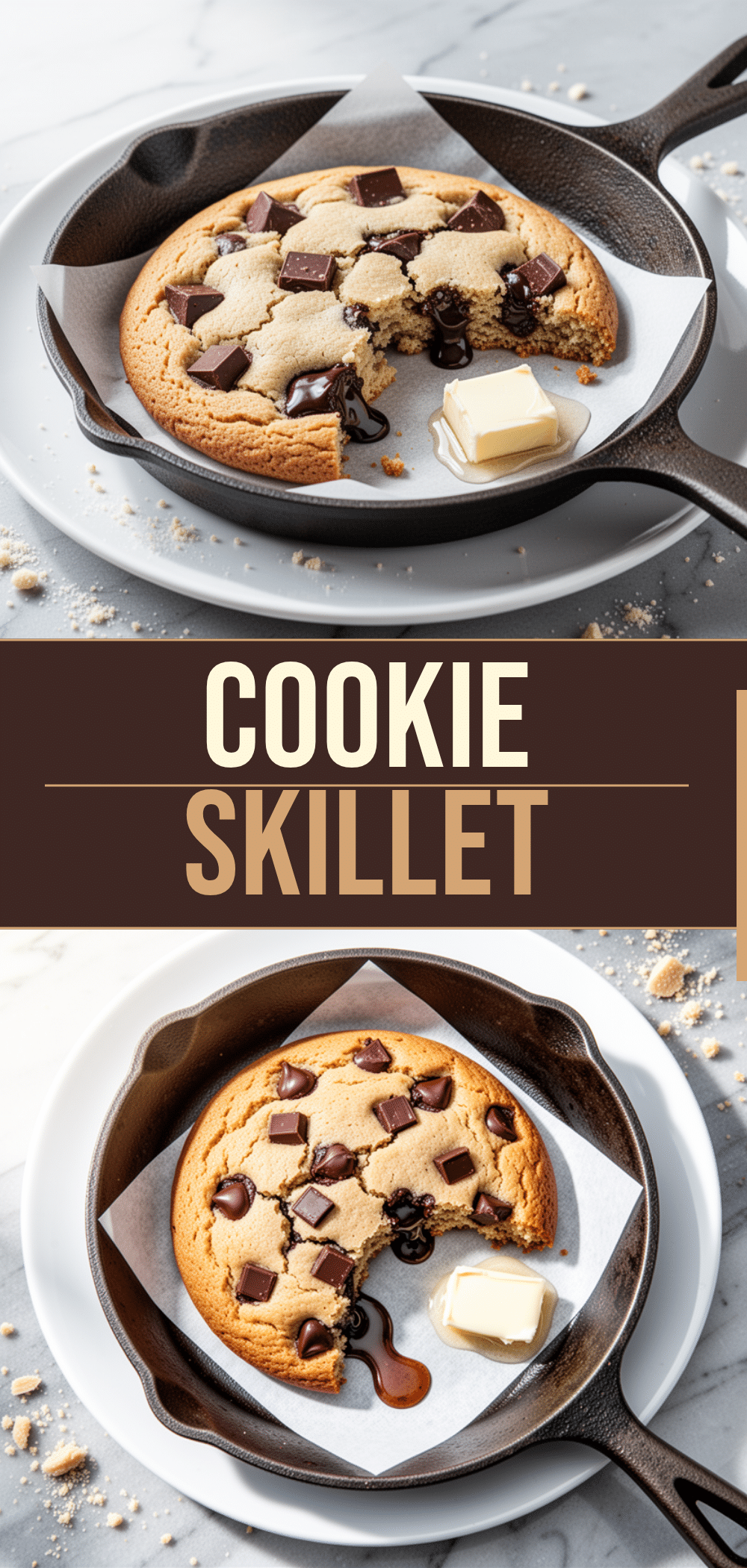

Low-Carb Chocolate Chip Cookie Skillet: 5-Minute Easy Treat
- Total Time: 20 minutes
- Yield: 8 servings 1x
Description
A quick, low-carb dessert made in a cast-iron skillet with almond flour and sugar-free chocolate chips. It offers a chewy, fudgy texture with crispy edges, ready in under 20 minutes.
Ingredients
- 1 cup (112g) blanched almond flour
- 1/4 cup (55g) coconut oil, melted
- 2 tablespoons (30g) butter, melted
- 2 tablespoons (32g) smooth almond butter
- 1 large egg
- 1 large egg yolk
- 1 teaspoon vanilla extract
- 1/2 cup (100g) erythritol or keto-friendly brown sugar alternative
- 1/2 teaspoon baking powder
- 1/4 teaspoon fine sea salt
- 1/2 cup (85g) sugar-free chocolate chips
- 1/4 cup chopped walnuts or pecans (optional)
- Sea salt flakes for serving
- Whipped cream or keto ice cream for serving
Instructions
- Preheat oven to 350°F (175°C). Lightly grease a 6-inch or 8-inch cast-iron skillet with cooking spray or coconut oil, or line with parchment paper.
- In a mixing bowl, whisk together melted coconut oil, melted butter, almond butter, egg, egg yolk, and vanilla extract until smooth and emulsified.
- Add almond flour, erythritol, baking powder, and salt to the wet ingredients. Stir with a spatula until a thick, cohesive dough forms.
- Fold in the sugar-free chocolate chips, reserving a handful for topping.
- Spread the dough evenly into the prepared skillet, about 1 inch thick. Press remaining chocolate chips into the top.
- Bake for 15-18 minutes until edges are golden brown but the center still looks slightly underdone.
- Remove from oven and let cool for 5 minutes to firm up. Sprinkle with sea salt flakes if desired.
- Serve warm directly from the skillet.
Notes
Do not overbake; the center should look slightly jiggly when removed from the oven as it will firm up while cooling. Ensure almond flour is finely ground to avoid a gritty texture. For dairy-free, swap butter for additional coconut oil. Store leftovers in the fridge for up to 4 days or freeze for up to 2 months.
- Prep Time: 5 minutes
- Cook Time: 15 minutes
- Category: Dessert
- Cuisine: American
Nutrition
- Serving Size: 1/8 of the skillet
- Calories: 180
- Sugar: 1
- Sodium: 120
- Fat: 16
- Saturated Fat: 8
- Carbohydrates: 5
- Fiber: 2
- Protein: 5
Keywords: low-carb, keto, gluten-free, chocolate chip cookie, skillet cookie, quick dessert, sugar-free, almond flour