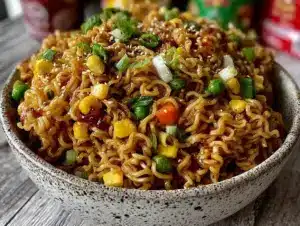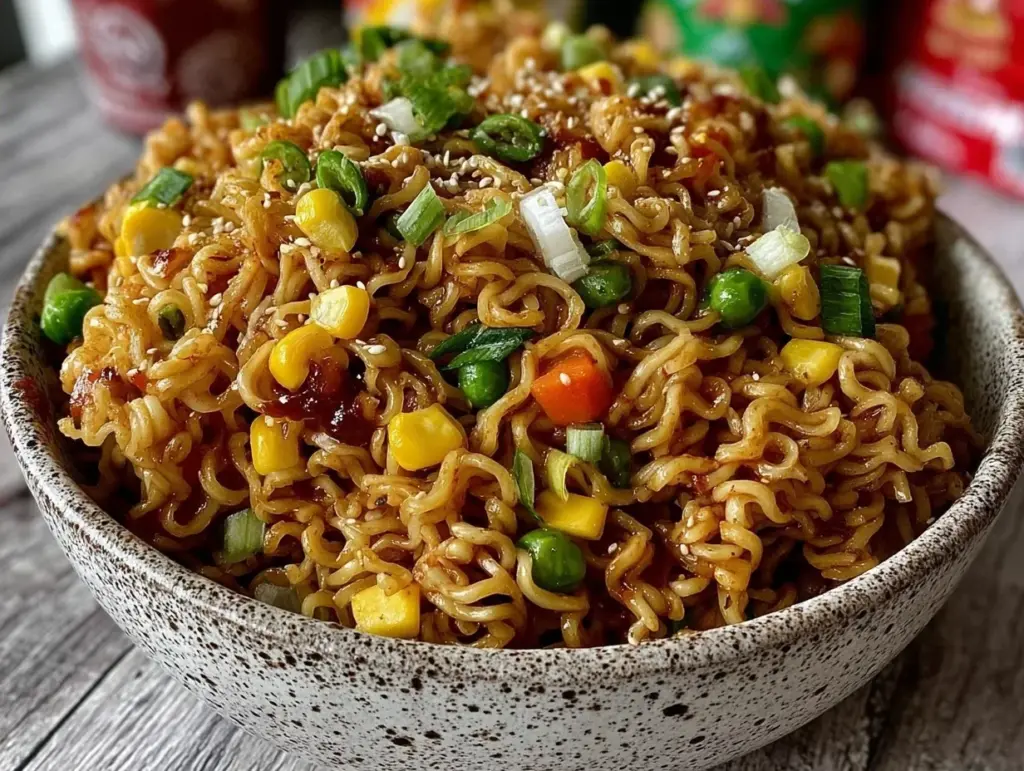
There was a night last November when I came home from work completely drained. I had the kind of exhaustion that settles deep in your bones, where even the thought of chopping vegetables felt like a monumental task. My kitchen was quiet, the only light coming from the stove hood. I didn’t want takeout—I wanted something warm, something that felt like a hug, but I didn’t have the energy to shop or cook a “real” meal. That’s when I reached for a pack of ramen noodles.
I know, I know. Ramen often gets a bad rap. But let’s be honest: sometimes the best self-care isn’t a complicated wellness routine. Sometimes it’s a quiet moment in your pajamas, stirring a pot of noodles with frozen veggies and a drizzle of sesame oil. This Budget-Friendly College Ramen Stir-Fry with Frozen Vegetables isn’t just a meal for students on a tight budget (though it is perfect for that). It’s my go-to when I need to slow down, when I need to feed my body something simple and nourishing without the stress of a complicated recipe.
I’ve made this dish probably fifty times over the last year. It’s become my ritual. The steam rising from the bowl, the smell of garlic hitting the hot oil, the way the noodles soak up that savory broth—it’s grounding. And the best part? It costs less than $2 per serving if you buy store brands. It’s affordable, it’s easy, and it tastes like you actually tried. This stir-fry is my answer to “I’m too tired to cook, but I still want to eat well.” It’s gentle food for hard days.
Why You’ll Love This Comforting Ramen Stir-Fry
This recipe has saved me more evenings than I can count. When I’m feeling overwhelmed or just plain tired, this is the one to make. It’s not about efficiency; it’s about creating a small, warm moment for yourself. Here’s why this stir-fry keeps me coming back to the stove:
- Stupid Simple — Seriously, if you can boil water and dump a bag of frozen veggies, you can make this. There’s no fancy knife skills required. I’ve made this at 11 PM after a long shift while still wearing my work clothes. It’s that easy.
- Pantry & Freezer Friendly — You probably have most of this already. Ramen packets, frozen peas and carrots, soy sauce, garlic. I keep these items stocked specifically for nights when I don’t feel like going to the grocery store. It’s my safety net meal.
- Actually Nourishing — Yes, it’s ramen. But by adding veggies and an egg, it becomes a balanced meal that actually makes you feel good, not sluggish. I love that it uses frozen vegetables because they’re just as nutritious as fresh, often picked at peak ripeness, and they don’t go bad in the back of the fridge.
- Comforting & Warm — There’s something deeply soothing about a hot bowl of noodles in a cold room. This stir-fry feels like a warm blanket for your stomach. It’s perfect for those chilly nights when you just want to curl up and relax.
- Budget-Smart — Feeds one generously for under $2.50. In a world where everything feels expensive, this is a small win. It’s a reminder that you can still eat well without spending a lot.
This is my go-to when I need dinner to just work. No complicated techniques, no weird ingredients, just reliable, delicious food that makes me feel cared for. It’s the one to make when you need to take care of yourself.
Ingredients You’ll Need
Here’s the best part: you probably have most of this already. This looks like a short list, but it’s the simplicity that makes it work. I’m particular about a few things, but mostly, I just want you to use what you have.
For the Noodles & Base
Ramen Noodles (2 packages / 200g) — I use the standard instant packets. Do you need the flavor packet? Honestly, I usually toss it. It’s full of sodium and preservatives. But if you like that salty kick, use half of it. I prefer to control the salt myself with soy sauce. Brands don’t matter much here; I grab whatever is on sale.
Frozen Mixed Vegetables (1.5 cups / 150g) — Peas, carrots, corn, green beans. Whatever bag is in your freezer. This is where the nutrition comes in. I love that these don’t require chopping. Just dump them in. Frozen vegetables are a lifesaver for quick meals.
Egg (1 large) — This adds protein and makes the meal feel more substantial. I like to scramble it directly in the pan, but you can also fry it sunny-side up on top if you’re feeling fancy.
For the Stir-Fry Sauce
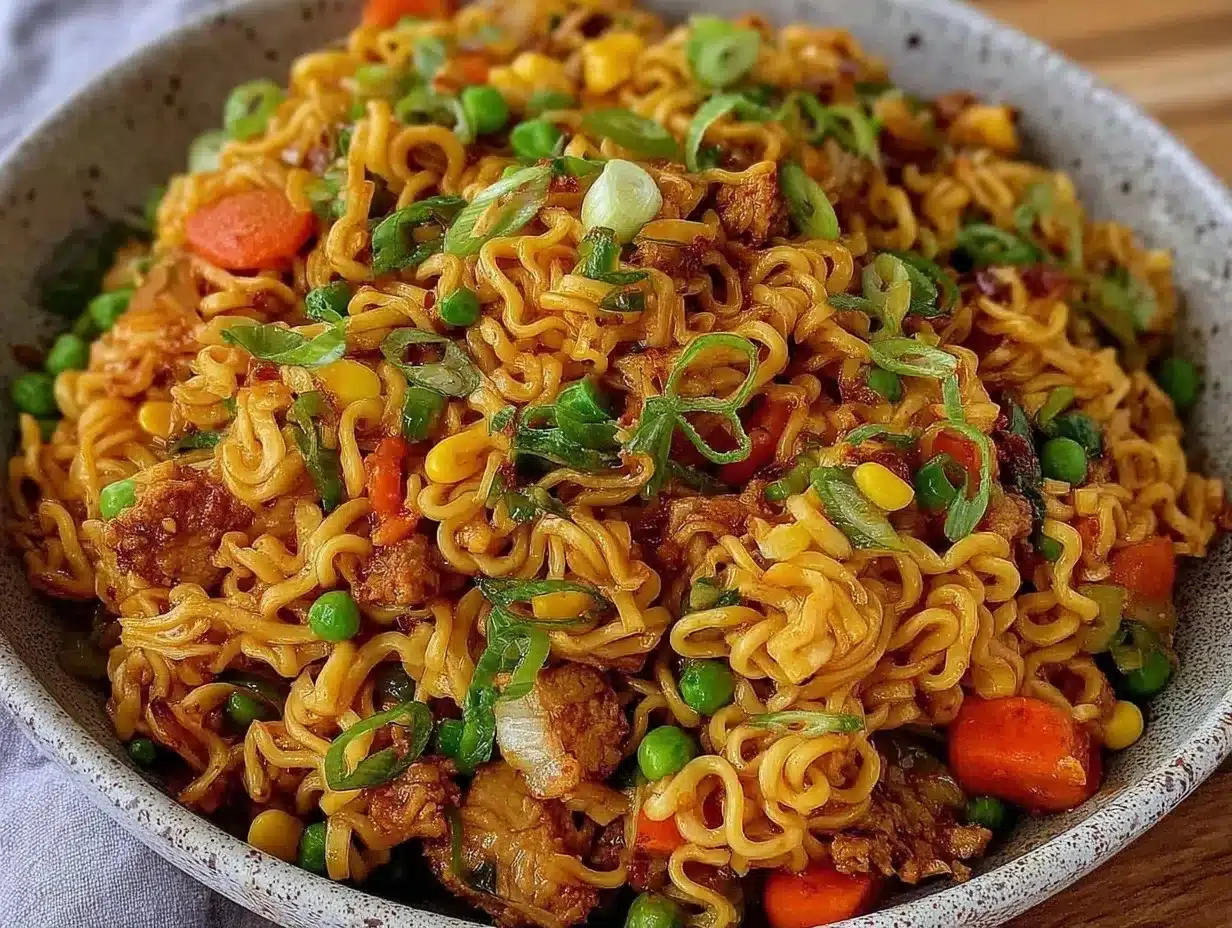
Soy Sauce (2 tablespoons / 30ml) — I use regular soy sauce, not low-sodium, because I want that distinct flavor. If you’re watching salt, use low-sodium and add a pinch more later. It’s your call.
Sesame Oil (1 teaspoon / 5ml) — This is the secret weapon. It adds that nutty, restaurant-style aroma. Don’t skip it. A little goes a long way. I keep a small bottle in my pantry specifically for nights like this.
Garlic (2 cloves, minced / about 1 tablespoon) — Fresh garlic makes a huge difference. I know it’s tempting to use the jarred stuff, but fresh garlic smells so much better and tastes brighter. Just mince it up before you start cooking.
Ginger (½ teaspoon, grated or powder) — If you have fresh ginger, grate it. If you have ginger powder, use it. It adds a warm, spicy depth that pairs perfectly with the soy sauce. If you don’t have either, skip it. It’s still good.
Sesame Seeds (1 teaspoon, optional) — For garnish. I like the crunch and the look. But if you don’t have them, no big deal.
Optional Add-ins
Cooked Chicken or Tofu (½ cup) — If you want more protein, add some leftover rotisserie chicken or cubed firm tofu. I often add tofu because it soaks up the sauce beautifully.
Green Onions (1, sliced) — For a fresh, sharp bite on top. I love the contrast of the green against the warm noodles.
Red Pepper Flakes (¼ teaspoon) — If you like a little heat, a pinch of red pepper flakes adds a nice kick. I usually add this if I’m having a particularly stressful day and need something to wake me up.
Equipment Needed
You don’t need fancy equipment for this. Here’s what I actually use.
Small Saucepan — For boiling the noodles. Any pot that fits one or two packets works. I use a 2-quart pot. It’s small enough to heat up quickly, which is nice when you’re tired.
Non-Stick Skillet or Wok — For stir-frying the veggies and mixing everything together. A 10-inch skillet is perfect. I prefer non-stick because cleanup is easier when I’m too tired to scrub.
Wooden Spoon or Spatula — For stirring. Silicone works too. Don’t use metal on non-stick.
Measuring Spoons — Pretty standard stuff. I usually eyeball it, but if you’re new to this, measure.
Colander — For draining the noodles. Or just use a fork to lift them out if you’re being lazy.
Knife and Cutting Board — For mincing garlic and slicing green onions. Dull knives make you cry more—learned this the hard way.
How to Make It: Step-by-Step
Alright, let’s make this! I’m walking you through exactly how I do it, including the little tricks I’ve picked up. Take your time. This isn’t a race. It’s a moment for you.
Step 1: Prep Your Ingredients (5 minutes)
Before you start cooking, mince your garlic and slice your green onions if you’re using them. Measure out your soy sauce and sesame oil. I know it seems fussy, but it makes the actual cooking way less stressful. Once you start cooking, things move fast. Have everything ready before you turn on the stove.
Step 2: Boil the Noodles (5 minutes)
Bring a pot of water to a boil. It doesn’t need to be a rolling boil, just hot. Add the ramen noodles. If you’re using the flavor packet, you can add it now, but I usually skip it. Cook the noodles according to the package directions, usually 3-4 minutes. They should be tender but still have a little bite. Drain the noodles and set them aside. Don’t rinse them unless you want them cold, which I don’t.
Step 3: Sauté the Veggies (3 minutes)
While the noodles cook, heat a teaspoon of oil in your skillet over medium heat. Add the frozen vegetables. Don’t worry about thawing them first. Just dump them in. They’ll release some water, which is fine. Cook for 2-3 minutes until they’re heated through and slightly tender. The smell of cooking vegetables is so comforting.
Step 4: Scramble the Egg (2 minutes)
Push the veggies to one side of the pan. Crack the egg into the empty space. Scramble it gently with your spatula. Cook until just set. This way, you get little bits of egg in every bite. It’s a nice textural contrast to the soft noodles.
Step 5: Combine Everything (2 minutes)
Add the drained noodles to the skillet with the veggies and egg. Pour the soy sauce and sesame oil over everything. Sprinkle in the minced garlic and ginger. Toss everything together gently. The heat from the noodles will cook the garlic just enough to make it fragrant. Taste and adjust. Need more salt? Add a splash of soy sauce. Need more flavor? A dash of sesame oil goes a long way.
Step 6: Serve and Enjoy
Serve immediately in a bowl. Top with sliced green onions and sesame seeds if you have them. Sit down. Put your phone away. Just eat. This is your time. This is your moment of peace.
Total Time: About 15 minutes (5 minutes prep, 10 minutes cooking)
Expert Tips & Tricks
Here’s everything I’ve learned from making this dozens of times. These tips will save you from my mistakes.
Don’t Overcook the Noodles
Ramen noodles get mushy fast. I undercook them by about 30 seconds in the boiling water because they’ll continue to cook a bit when you toss them in the hot sauce. Al dente noodles have a better texture and feel more satisfying to eat.
Use High Heat for the Stir-Fry
When you’re adding the veggies and noodles to the skillet, turn the heat up to medium-high. You want to quickly heat everything through and get a little bit of char on the veggies. This adds flavor. Low heat just steams everything, which is fine, but high heat tastes better.
Customize Your Sauce
While soy sauce and sesame oil are classic, you can mix it up. Try adding a teaspoon of hoisin sauce for sweetness. Or a dash of rice vinegar for acidity. Or a spoonful of peanut butter for a creamy, satay-style flavor. I’ve tried all of these, and they’re all good. Find what you like.
The Power of Frozen Veggies
Don’t underestimate frozen vegetables. They’re picked at peak ripeness and flash-frozen, locking in nutrients. Plus, they’re pre-chopped, which saves time. I use them all the time in my creamy roasted butternut squash soup too. They’re a pantry staple for a reason.
Add Protein
If you’re hungry, add protein. Shredded chicken, cubed tofu, or even a fried egg on top. I love adding tofu because it’s cheap and absorbs the sauce well. Just press the tofu first to remove excess water.
Variations & Substitutions
Once you’ve nailed the basic version, here’s how you can mix it up. I’ve tried all of these.
Spicy Ramen Stir-Fry
Add 1 teaspoon of sriracha or chili garlic sauce to the sauce mixture. This is great for days when you need a little heat to wake you up. It’s like a spicy hug.
Vegetable-Loaded
Add extra veggies. Spinach, bok choy, mushrooms. Whatever you have. I love adding mushrooms because they add an earthy, meaty texture. Just sauté them with the other veggies.
Creamy Peanut Ramen
Stir in 1 tablespoon of peanut butter with the soy sauce. It creates a rich, creamy sauce that coats the noodles beautifully. This is my favorite variation when I’m really craving comfort.
Protein-Packed
Add ½ cup of cooked chicken, beef, or shrimp. I often use leftover rotisserie chicken. Just toss it in with the noodles to heat through.
Dietary Modifications
Gluten-Free — Use gluten-free ramen noodles. Everything else is naturally gluten-free. I’ve used rice noodles too, which work great.
Soy-Free — Use coconut aminos instead of soy sauce. It’s slightly sweeter but works well.
Vegan — Skip the egg. Add tofu or edamame for protein. Use vegetable broth instead of water if you want more flavor.
Serving & Storage
How to Serve
I usually serve this straight from the skillet. It feels rustic and cozy. But here are other ways I’ve enjoyed it:
- With a Side Salad — A simple green salad with a light vinaigrette balances the richness of the noodles.
- With Miso Soup — If I’m feeling really indulgent, I have this with a cup of miso soup. It’s a full Japanese-inspired meal.
- With Pickles — A few pickled vegetables on the side add a nice crunch and acidity.
Storage Instructions
Refrigerator: Store leftovers in an airtight container for up to 3 days. The noodles will absorb the sauce and get softer, which some people like. I usually reheat them with a splash of water to loosen them up.
Reheating: Best method: Add to a skillet with a splash of water or broth over low heat. Stir until heated through. Microwave method: Heat in 30-second intervals, stirring between. Add a splash of water if it’s too dry.
Freezing: Honestly, this doesn’t freeze well because the noodles get mushy when thawed. It’s best eaten fresh or stored in the fridge for a couple of days.
Nutrition Information
I’m not a nutritionist, but here’s the breakdown if you’re tracking. This is per serving (based on 1 serving with 2 packets and veggies).
- Calories: 350
- Protein: 12g
- Carbs: 50g
- Fiber: 3g
- Fat: 10g
- Sodium: 800mg (varies by brand)
What’s Good: It’s a complete meal with carbs, protein, and veggies. The frozen veggies add fiber and vitamins. It’s more balanced than just plain ramen.
What to Know: It can be high in sodium, especially if you use the flavor packet. I recommend skipping the packet and using low-sodium soy sauce to control the salt. But look, this is comfort food. It’s not a diet recipe. Enjoy it.
Final Thoughts
So that’s my budget-friendly college ramen stir-fry! I’ve talked your ear off at this point, but when you make a recipe this often, you have a lot to say about it. This has saved my evenings more times than I can count. It’s my answer to “I’m too tired to cook” when I still want to eat something warm and nourishing. It’s gentle, it’s affordable, and it’s kind to my body.
Make it yours! Try different veggies, swap in your favorite protein, adjust the sauce to your taste. The best recipes are the ones you adapt to your needs. This stir-fry is the one to make when you need to take care of yourself. It’s a small act of self-care in a bowl.
If you make this, drop a comment and let me know how it went! I love hearing how recipes turn out in your kitchen. And if something doesn’t work, tell me that too—I’m here to help. Happy cooking! And I hope your kitchen smells half as good as mine does right now.
Frequently Asked Questions
Q: Can I use fresh vegetables instead of frozen?
A: Absolutely! Fresh vegetables work great. Just chop them into small pieces so they cook quickly. I use bell peppers, snap peas, or broccoli florets. Fresh veggies might take a minute longer to cook, so keep an eye on them. Frozen veggies are just more convenient, but fresh tastes amazing too.
Q: Is this recipe healthy?
A: It’s as healthy as you make it. The base ramen noodles are refined carbs, but by adding veggies and an egg, you’re getting fiber, protein, and vitamins. If you’re watching sodium, skip the flavor packet and use low-sodium soy sauce. It’s a balanced meal that’s better than takeout.
Q: Can I make this ahead for meal prep?
A: You can, but the noodles will get soft. I recommend making the sauce and prepping the veggies ahead, then cooking the noodles fresh when you’re ready to eat. This way, the noodles stay fresh and have the best texture. I do this on busy weekdays.
Q: Why did my noodles turn out mushy?
A: You probably overcooked them. Ramen noodles cook in just 3-4 minutes. I undercook them by 30 seconds because they’ll continue to cook when you toss them in the hot sauce. Also, don’t let them sit in the water after draining. Toss them with the sauce immediately.
Q: Can I use rice noodles instead?
A: Yes! Rice noodles work perfectly. Just cook them according to the package directions, usually they cook faster than wheat noodles. They have a different texture—slightly more slippery—but they’re delicious. I love using them for a gluten-free version.
Q: How do I reheat leftovers without it getting dry?
A: Add a splash of water or broth to a skillet, add your leftover noodles, and heat gently over low heat, stirring frequently. The extra liquid brings back the moisture. Microwave sort of works but tends to dry it out. If you do microwave, definitely add a splash of water first and heat in short bursts.
Q: Can I double this recipe?
A: Absolutely! Double everything and use a larger skillet. The cooking times stay the same. I do this when I’m meal-prepping or feeding a friend. Just make sure your skillet is big enough so the veggies don’t steam instead of fry.
Pin This Recipe!
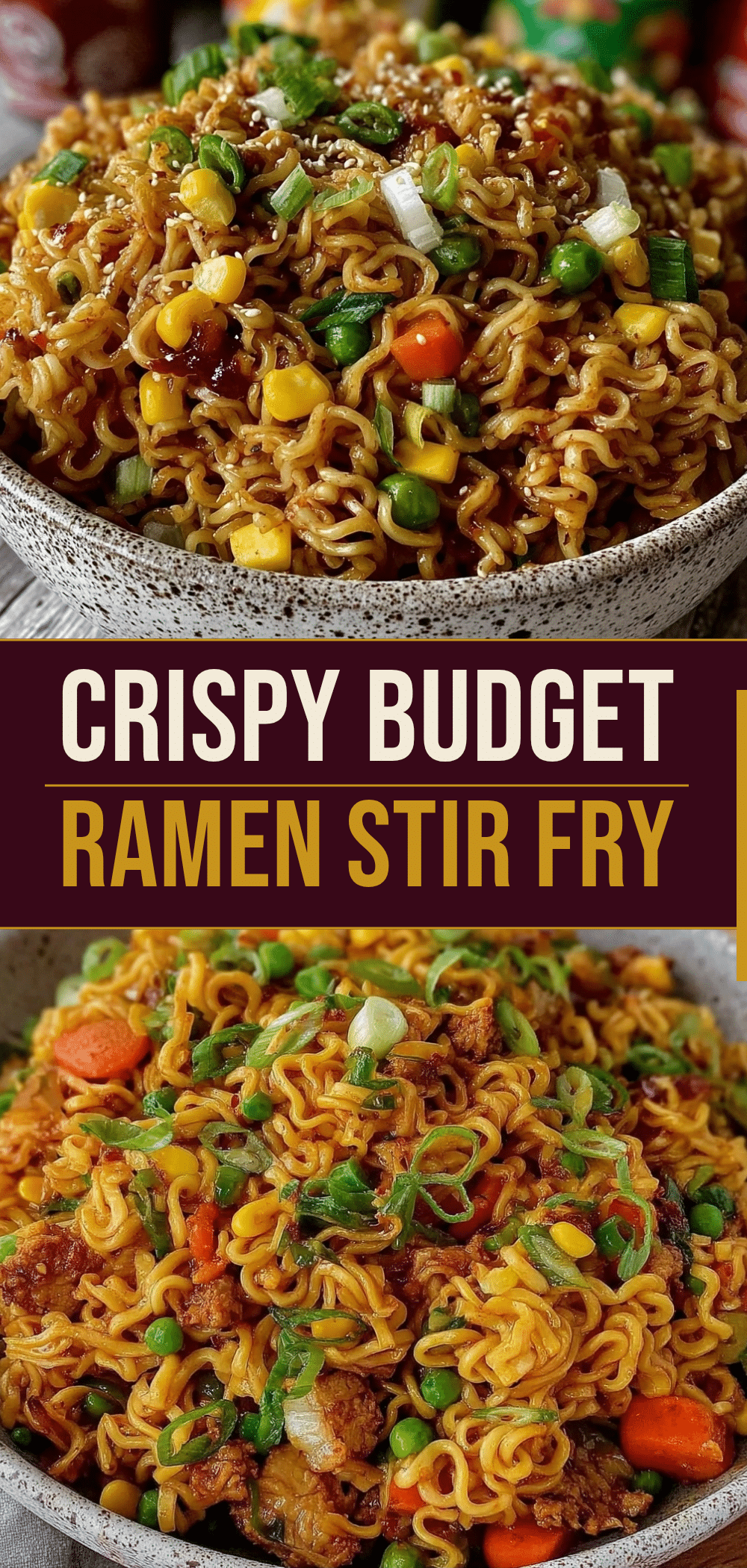
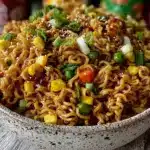
Budget-Friendly College Ramen Stir-Fry: Self-Care Meal
- Total Time: 15 minutes
- Yield: 1 serving 1x
Description
A comforting, budget-friendly stir-fry made with ramen noodles, frozen vegetables, and an egg. This simple meal is perfect for tired evenings, costing less than $2.50 per serving while providing a balanced, nourishing experience.
Ingredients
- 2 packages (200g) Ramen Noodles
- 1.5 cups (150g) Frozen Mixed Vegetables (peas, carrots, corn, green beans)
- 1 large Egg
- 2 tablespoons (30ml) Soy Sauce
- 1 teaspoon (5ml) Sesame Oil
- 2 cloves Garlic, minced
- ½ teaspoon Ginger, grated or powder
- 1 teaspoon Sesame Seeds, optional (for garnish)
- 1 Green Onion, sliced, optional
- ¼ teaspoon Red Pepper Flakes, optional
- ½ cup Cooked Chicken or Tofu, optional
Instructions
- Prep ingredients: Mince garlic and slice green onions. Measure soy sauce and sesame oil.
- Boil noodles: Bring a pot of water to a boil. Add ramen noodles (skip flavor packet if desired) and cook for 3-4 minutes until tender but with a bite. Drain and set aside.
- Sauté veggies: Heat a teaspoon of oil in a skillet over medium heat. Add frozen vegetables and cook for 2-3 minutes until heated through.
- Scramble egg: Push veggies to one side of the pan. Crack the egg into the empty space and scramble until just set.
- Combine: Add drained noodles to the skillet. Pour in soy sauce and sesame oil. Sprinkle in garlic and ginger. Toss everything together gently until heated through and fragrant.
- Serve: Serve immediately in a bowl, topped with green onions and sesame seeds if desired.
Notes
Do not overcook the noodles; they will continue to cook when tossed in the hot sauce. Use high heat for the stir-fry to get a slight char on the veggies. If using the ramen flavor packet, use only half or skip it to control sodium. Leftovers can be stored in the fridge for up to 3 days; reheat with a splash of water or broth to prevent drying out. This recipe does not freeze well as noodles become mushy.
- Prep Time: 5 minutes
- Cook Time: 10 minutes
- Category: Main Course
- Cuisine: Asian-Inspired
Nutrition
- Serving Size: 1 bowl
- Calories: 350
- Sugar: 4
- Sodium: 800
- Fat: 10
- Saturated Fat: 2
- Carbohydrates: 50
- Fiber: 3
- Protein: 12
Keywords: ramen stir-fry, budget meals, college recipes, quick dinner, comfort food, self-care meal, frozen vegetables, easy noodles