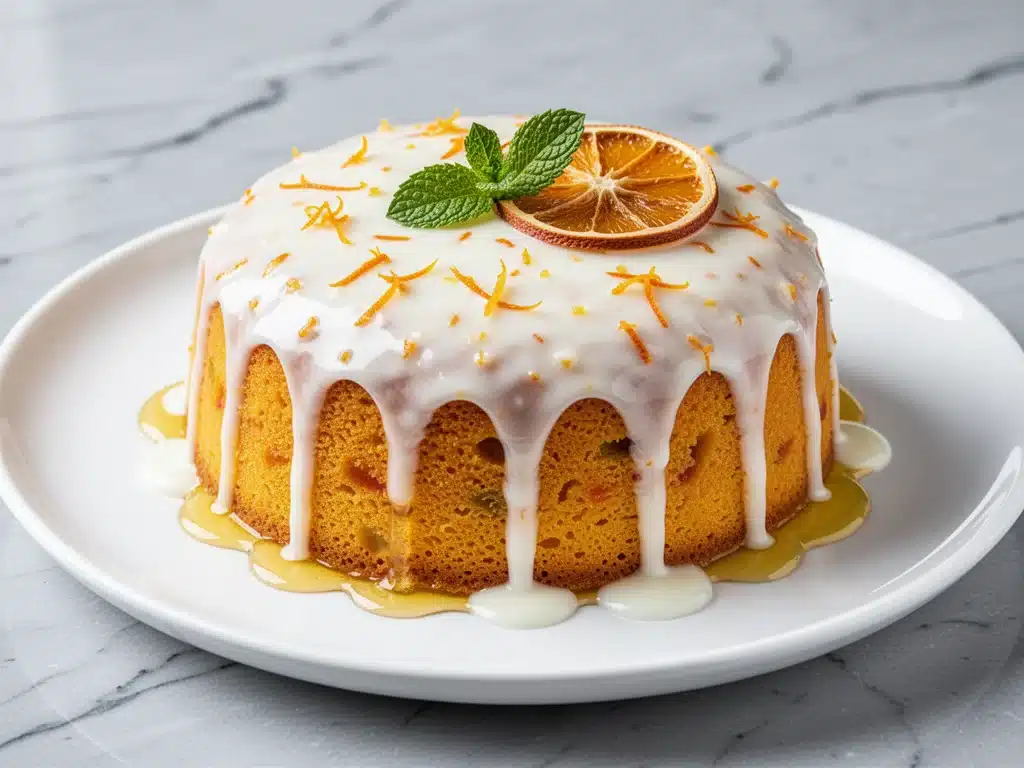
There was a specific Sunday morning last spring when I decided that typical pancakes just weren’t cutting it anymore. You know the type—those fluffy buttermilk blueberry pancakes that are delicious, sure, but also kind of heavy if you eat three of them. I was hosting a small brunch for some friends who had just moved into the neighborhood, and I wanted something that felt special but didn’t require me to be in the kitchen for two hours while everyone else was chatting in the living room. I needed something bright, something that smelled like a vacation, and something that could actually stand up to a drizzle of honey without falling apart.
That’s when I pulled out my olive oil. Not the fancy finishing oil I keep for drizzling on toast, but the good cooking stuff. I remembered reading about Mediterranean cakes made with olive oil instead of butter, and something clicked. Why did I always think cakes needed butter to be tender? Olive oil stays liquid at room temperature, which means the crumb is naturally moist and stays that way for days. Plus, the citrusy brightness of orange zest pairs perfectly with the fruity notes of the oil. It’s a flavor combo that just screams “sunny morning.”
I made my first version of this Mediterranean orange olive oil cake about a year ago, and it was… okay. A little dense. The glaze was too sweet. But I kept at it. I tweaked the ratios, swapped in Greek yogurt for extra tang, and finally nailed the balance. Now, this cake is my go-to answer for “what should I bring to brunch?” or “what’s for dessert after a light lunch?” It’s simple, it’s elegant, and it tastes like you spent all day baking (even though you didn’t). I’ve made this Mediterranean orange olive oil cake with honey yogurt glaze probably twenty times since then, and I’m still not tired of it. If you’re looking for a 5-ingredient brunch recipe that actually impresses people, this is the one.
Why You’ll Love This 5-Ingredient Brunch Recipe
Let’s be real: most brunch recipes are either too complicated (looking at you, soufflés) or too boring (more toast). This cake hits that sweet spot. It’s the kind of dish that makes people ask for the recipe before they’ve even finished their first slice. Here’s why this olive oil cake has earned a permanent spot in my rotation:
- It’s Actually Healthy(ish) — Okay, it’s still a cake. But using olive oil instead of butter gives you heart-healthy fats, and the Greek yogurt adds protein. It feels lighter on the stomach than a rich butter cake, which is perfect when you’re already drinking mimosas or strong coffee.
- Only Five Core Ingredients — I’m not joking. Flour, sugar, eggs, orange, and olive oil. Plus yogurt and honey for the glaze. You don’t need a trip to the specialty store. You probably have everything in your pantry right now. It’s easier than making fluffy buttermilk blueberry pancakes because you don’t have to worry about getting the buttermilk ratio just right.
- Moisture That Lasts — Butter cakes tend to dry out after a day or two. Olive oil cakes stay moist for three or four days. I’ve made this on Sunday morning, and it’s still tender and delicious on Wednesday afternoon. No reheating needed.
- Gluten-Free Friendly — If you swap the all-purpose flour for a 1-to-1 gluten-free blend, this cake works beautifully. I’ve tested it with several brands, and the texture remains tender and crumbly. It’s a great option for guests with dietary restrictions.
- Minimal Cleanup — You mix everything in one bowl (or a stand mixer bowl). No creaming butter, no melting chocolate, no complicated layers. Just mix, pour, bake, glaze. Done.
This recipe is my answer to the “I want to eat well but I also want to enjoy myself” dilemma. It’s bright, it’s fresh, and it’s ridiculously easy. Whether you’re serving it for a weekend brunch, a post-workout snack, or just a Tuesday treat, it never fails to deliver.
Ingredients You’ll Need
Here’s the best part: this list is short. I mean, really short. You don’t need vanilla extract, baking powder, salt, or a dozen other pantry staples. Just five main ingredients for the cake, plus three for the glaze. Here’s what you need and why I’m particular about each one.
For the Cake
Extra Virgin Olive Oil (½ cup / 120ml) — This is the star. Don’t use the cheap, grassy stuff you put on salads. Use a mid-range extra virgin olive oil that tastes fruity and mild. It should taste good on its own. If it tastes bitter or peppery, your cake will too. I keep a bottle of Bertolli or Colavita in my cabinet for baking. It’s consistent and affordable.
Fresh Oranges (2 medium) — You need both the zest and the juice. Zest provides the aromatic oil that makes the cake smell amazing. Juice provides the liquid and the tartness. Blood oranges are beautiful and add a nice reddish tint, but regular navel oranges work perfectly fine. Just make sure they’re fresh—you’re not using concentrate here.
All-Purpose Flour (1 ½ cups / 190g) — Standard flour works best. Cake flour would make it too tender, and bread flour would make it chewy. If you’re making this gluten-free, use a high-quality 1-to-1 blend like Bob’s Red Mill or King Arthur. I’ve tested both, and they hold up well.
Granulated Sugar (¾ cup / 150g) — This provides sweetness and helps create that slight crisp edge. Don’t reduce the sugar too much, or the cake won’t brown properly. I use regular white sugar, but you can substitute half with coconut sugar if you want a deeper flavor.
Eggs (3 large) — Room temperature eggs are key. They emulsify better with the oil, creating a smooth, uniform batter. If your eggs are cold, just set them in a bowl of warm water for five minutes. Don’t skip this step—it prevents the batter from looking curdled.
For the Honey Yogurt Glaze
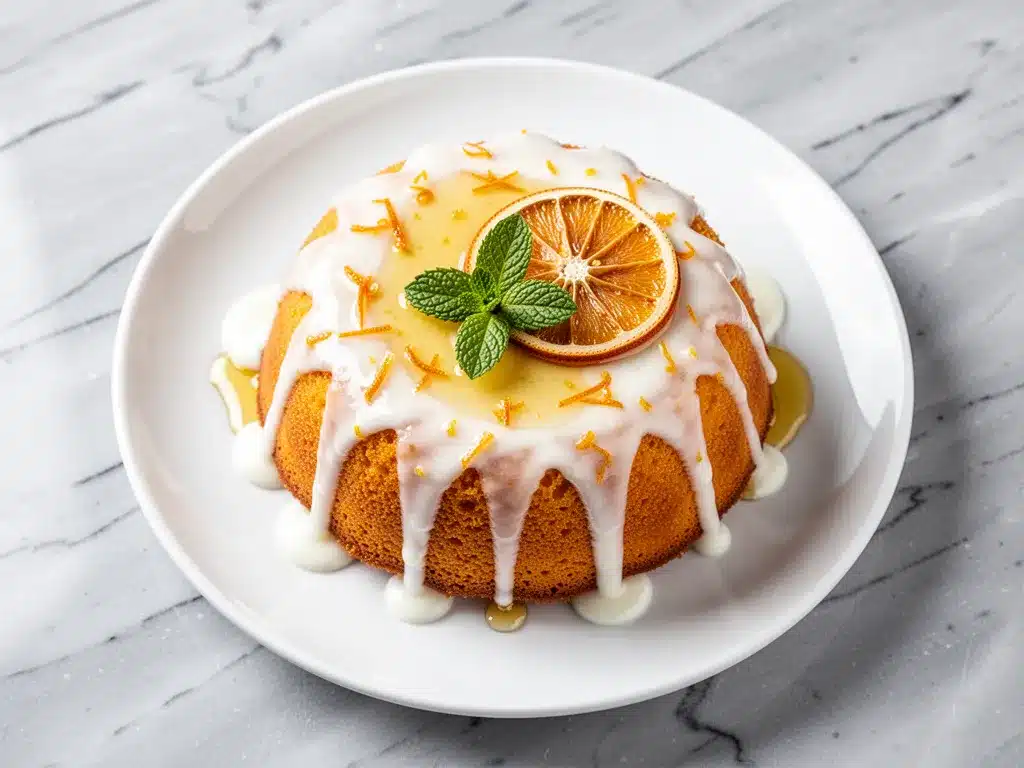
Greek Yogurt (½ cup / 120g) — Full-fat is best for creaminess, but 2% works too. Avoid the non-fat versions; they make the glaze watery and thin. I use Fage or Chobani. Plain, unsweetened, obviously.
Honey (3 tablespoons / 45ml) — This sweetens the glaze and adds a floral note. Use a mild honey like clover or orange blossom. If you have a strong wildflower honey, it might overpower the orange. Mapy syrup works in a pinch, but the flavor profile changes.
Confectioners’ Sugar (¼ cup / 30g) — Just a little bit to thicken the glaze and add sweetness. If you don’t have powdered sugar, you can skip it, but the glaze will be thinner and more like a drizzle than a coating.
Orange Zest (Optional Garnish) — A little extra zest on top adds a pop of color and fresh aroma. It makes the cake look professional, like you went to culinary school.
Substitutions and Notes
Can’t find orange blossom honey? Regular honey is fine. No Greek yogurt? Skyr or even sour cream works, though the tang will be slightly different. Want to make it vegan? Use flax eggs (3 tablespoons ground flaxseed mixed with 9 tablespoons water) and coconut yogurt instead of dairy yogurt. The texture will be slightly denser, but still delicious.
Equipment Needed
You don’t need fancy gadgets for this. Here’s what I actually use in my kitchen.
9-Inch Round Cake Pan — I use a standard 9-inch round pan. You can also use a loaf pan, but the baking time will change (check at 40 minutes instead of 30). Make sure your pan is greased and floured, or lined with parchment paper. I always line the bottom with parchment—it saves so much frustration when unmolding.
Mixing Bowls — One large bowl for the wet ingredients, one medium for the dry. Or just use one large bowl and a whisk. I’m a one-bowl person when I can be. Less cleanup is a win in my book.
Whisk — A standard wire whisk is perfect for beating the eggs and incorporating the oil. No need for a hand mixer unless you’re lazy. I hand-whisk everything because it’s faster than setting up the electric mixer.
Zester or Microplane — For getting that fine orange zest. A regular grater works, but a microplane gives you the finest zest, which distributes evenly. You don’t want big chunks of peel in your cake.
Cooling Rack — Essential. Let the cake cool in the pan for 10 minutes, then transfer to a rack. If you let it cool in the pan too long, it will steam and get soggy on the bottom. I’ve learned this the hard way.
Small Saucepan or Microwave-Safe Bowl — For warming the honey slightly if it’s too thick to drizzle. Just 10 seconds in the microwave does the trick.
How to Make It: Step-by-Step
Alright, let’s get baking. This recipe is simple, but there are a few tricks to make sure it turns out perfect every time. I’m walking you through exactly how I do it.
Step 1: Prep Your Pan and Oven (5 minutes)
Preheat your oven to 350°F (175°C). Grease your 9-inch round cake pan with a little olive oil or butter, then dust it with flour. Tap out the excess. Alternatively, line the bottom with a circle of parchment paper for easy removal. I prefer parchment because it guarantees no sticking.
Step 2: Zest and Juice the Oranges (5 minutes)
Wash your oranges thoroughly. Using a microplane or zester, zest both oranges before you cut them. You need about 2 tablespoons of zest. Once zested, cut the oranges in half and squeeze out the juice. You’ll need about ½ cup of fresh orange juice. If you’re short on juice, you can add a little water, but fresh is best.
Step 3: Mix the Wet Ingredients (3 minutes)
In a large bowl, whisk together the olive oil, sugar, and eggs. Whisk vigorously for about 2 minutes. You want the mixture to become pale and slightly thickened. This step is crucial—it creates an emulsion between the oil and eggs, which gives the cake its tender crumb. Add the orange juice and orange zest. Whisk until combined.
Step 4: Add the Dry Ingredients (2 minutes)
Add the all-purpose flour to the wet mixture. Use a spatula or wooden spoon to gently fold it in. Stop as soon as the flour disappears. Do not overmix! Overmixing develops gluten, which makes the cake tough. You want a smooth, thick batter. It will look a bit dense, and that’s okay.
Step 5: Bake the Cake (30 minutes)
Pour the batter into your prepared pan. Smooth the top with a spatula. Bake for 30-35 minutes. The cake is done when the top is golden brown, the edges pull away slightly from the pan, and a toothpick inserted into the center comes out clean or with just a few moist crumbs. Don’t overbake, or it will dry out.
Step 6: Cool Completely (30 minutes)
Let the cake cool in the pan for 10 minutes. Then, run a knife around the edges and invert it onto a cooling rack. Peel off the parchment paper. Let it cool completely before glazing. If you glaze a warm cake, the honey will melt and slide right off. Patience is key here.
Step 7: Make the Glaze and Top (5 minutes)
In a small bowl, whisk together the Greek yogurt, honey, and confectioners’ sugar until smooth. If the glaze is too thick, add a teaspoon of orange juice. If it’s too thin, add a little more sugar. Drizzle the glaze over the cooled cake. Sprinkle with extra orange zest if desired. Slice and serve.
Total Time: About 1 hour (15 minutes active, 45 minutes baking and cooling)
Built-in Troubleshooting
Cake sank in the middle? You might have opened the oven door too early, or the cake was underbaked. Make sure to bake for the full 30-35 minutes.
Glaze is too runny? Add more confectioners’ sugar, a tablespoon at a time.
Glaze is too thick? Add a teaspoon of orange juice or milk.
Cake is dry? You overbaked it. Next time, check it at 28 minutes. Olive oil cakes are forgiving, but they can dry out if left in the oven too long.
Expert Tips & Tricks
Here’s everything I’ve learned from making this cake dozens of times. These tips will save you from my mistakes.
Room Temperature Eggs — This is non-negotiable. Cold eggs will cause the olive oil to solidify slightly when they hit the bowl, creating a curdled look. It doesn’t affect the taste, but it looks unappealing. Let your eggs sit on the counter for 30 minutes before you start.
Don’t Overmix the Flour — I see this mistake all the time. Once you add the flour, mix until just combined. A few lumps are fine. Overmixing makes the cake dense and chewy instead of tender and crumbly.
Use Good Olive Oil — I can’t stress this enough. The olive oil is the main flavor. If you use a cheap, bitter oil, your cake will taste bitter. Use a oil that you enjoy eating. It doesn’t have to be expensive, but it should be high quality.
Let It Cool Completely — I know it’s tempting to glaze the cake while it’s warm. Don’t do it. The heat will melt the glaze, and it will run down the sides in an unappetizing way. Wait until the cake is room temperature.
Store Properly — This cake keeps well at room temperature for up to 3 days, covered. Or in the fridge for up to 5 days. The olive oil keeps it moist. If you refrigerate it, let it come to room temperature before serving for the best texture.
Make-Ahead Strategy — You can bake the cake a day ahead. Store it uncovered at room temperature. Make the glaze the day you plan to serve it. This takes the stress out of brunch hosting.
Variations & Substitutions
Once you’ve nailed the basic version, here’s how you can mix it up. I’ve tried all of these.
Lemon Olive Oil Cake — Swap the oranges for lemons. Use 2 lemons for zest and juice. It’s brighter and more tart. Great with a blueberry topping.
Almond Olive Oil Cake — Replace ¼ cup of the flour with almond flour. Add ½ teaspoon of almond extract to the batter. It adds a nutty richness that pairs beautifully with the orange.
Poppy Seed Orange Cake — Add 1 tablespoon of poppy seeds to the batter. It adds a nice crunch and looks pretty. Classic combination.
Blueberry Olive Oil Cake — Fold 1 cup of fresh or frozen blueberries into the batter before baking. The berries burst and create little pockets of flavor. I love this version with a dusting of powdered sugar instead of glaze.
Gluten-Free Version — Use a 1-to-1 gluten-free flour blend. The texture is almost identical to the original. I use Bob’s Red Mill or King Arthur. It works perfectly.
Vegan Version — Use flax eggs (3 tablespoons ground flaxseed + 9 tablespoons water, mixed and rested for 5 minutes). Use coconut yogurt instead of Greek yogurt. The cake is slightly denser but still delicious.
Lower Sugar — Reduce the sugar in the cake to ½ cup. It will be less sweet but still flavorful. The glaze can also be made with less honey. Taste as you go.
Serving & Storage
How to Serve: I usually serve this cake sliced into wedges. It looks elegant on a plate, especially with a dollop of extra Greek yogurt on the side. It pairs beautifully with a cup of coffee or tea. For brunch, it’s perfect alongside overnight cinnamon roll french toast bake if you want a heavier option, but it stands alone just fine.
Side Dishes: Fresh berries, sliced melon, or a simple green salad with vinaigrette. It’s light enough to not weigh you down.
Wine Pairing: A glass of Prosecco or a light rosé. The acidity of the wine complements the orange and honey perfectly.
Storage: Store in an airtight container at room temperature for up to 3 days. In the fridge for up to 5 days. Let it come to room temperature before serving for the best texture.
Freezing: Yes, you can freeze this cake! Wrap it tightly in plastic wrap, then in aluminum foil. Freeze for up to 3 months. Thaw overnight in the fridge. The glaze should be added after thawing.
Pro Tip: If you’re making this for a crowd, bake it in a loaf pan. It’s easier to slice and serve, and it looks great on a buffet table.
Nutrition Information
I’m not a nutritionist, but here’s the breakdown if you’re tracking. Per serving (based on 8 slices):
- Calories: 280
- Protein: 5g
- Carbs: 38g
- Fiber: 1g
- Sugar: 22g
- Fat: 12g
- Saturated Fat: 2g
- Cholesterol: 55mg
- Sodium: 10mg
What’s Good: The olive oil provides healthy monounsaturated fats. The Greek yogurt adds protein and probiotics. It’s lower in saturated fat than a butter cake.
What to Know: It’s still a cake, so it has sugar. The honey in the glaze adds more sugar. But it’s a moderate portion size, and it’s not loaded with processed ingredients.
My Take: This is a lighter alternative to traditional cakes. It’s not a diet food, but it’s a better choice than a heavy butter cake. Enjoy it as a treat, not a health food.
Final Thoughts
So that’s my Mediterranean orange olive oil cake with honey yogurt glaze! I’ve talked your ear off, but when you make a recipe this often, you have a lot to say about it. This cake has saved my brunches more times than I can count. It’s my answer to “what’s for dessert?” when I want something light, fresh, and impressive. My friends love it, my family loves it, and I love it because it’s so easy to make.
Make it yours! Try different citrus, add berries, or swap the glaze. The best recipes are the ones you adapt to your tastes. If you make this, drop a comment and let me know what you think! I love hearing how recipes turn out in your kitchen. And if something doesn’t work, tell me that too—I’m here to help troubleshoot.
Happy baking! And I hope your kitchen smells half as good as mine does right now.
Frequently Asked Questions
Can I use bottled orange juice?
You can, but fresh is so much better. Bottled juice often has added sugar and lacks the bright, fresh flavor of real oranges. If you must use bottled, choose 100% pure juice with no added sugar. But really, squeeze the oranges. It takes two minutes and makes a huge difference.
Why did my cake sink in the middle?
This usually happens if the oven door was opened too early, or if the cake was underbaked. Make sure to bake for the full 30-35 minutes. Also, check your oven temperature with an oven thermometer. Ovens can run hot or cold, which affects baking time.
Can I make this gluten-free?
Yes! Use a 1-to-1 gluten-free flour blend. I’ve tested it with Bob’s Red Mill and King Arthur, and both work beautifully. The texture is almost identical to the original. Just make sure the blend contains xanthan gum, or add ½ teaspoon yourself.
How long does this cake last?
At room temperature, it lasts up to 3 days in an airtight container. In the fridge, up to 5 days. The olive oil keeps it moist, so it doesn’t dry out like butter cakes do. It actually tastes better on day two as the flavors meld together.
Can I freeze this cake?
Yes, you can freeze the cake without the glaze. Wrap it tightly in plastic wrap, then in aluminum foil. Freeze for up to 3 months. Thaw overnight in the fridge. Add the glaze after thawing. The texture holds up well.
Can I use lemon instead of orange?
Absolutely. Swap the oranges for lemons. Use 2 lemons for zest and juice. The flavor will be brighter and more tart. It’s a delicious variation, especially in the spring.
Why is my glaze too runny?
If the glaze is too runny, add more confectioners’ sugar, a tablespoon at a time. If it’s too thick, add a teaspoon of orange juice or milk. The consistency should be like heavy cream—thick enough to coat the spoon, but thin enough to drizzle.
Can I make this in a loaf pan?
Yes, but the baking time will change. Bake at 350°F for 40-45 minutes. Check with a toothpick at 40 minutes. The cake is done when the toothpick comes out clean. The loaf shape will give you more surface area for the glaze.
Pin This Recipe!
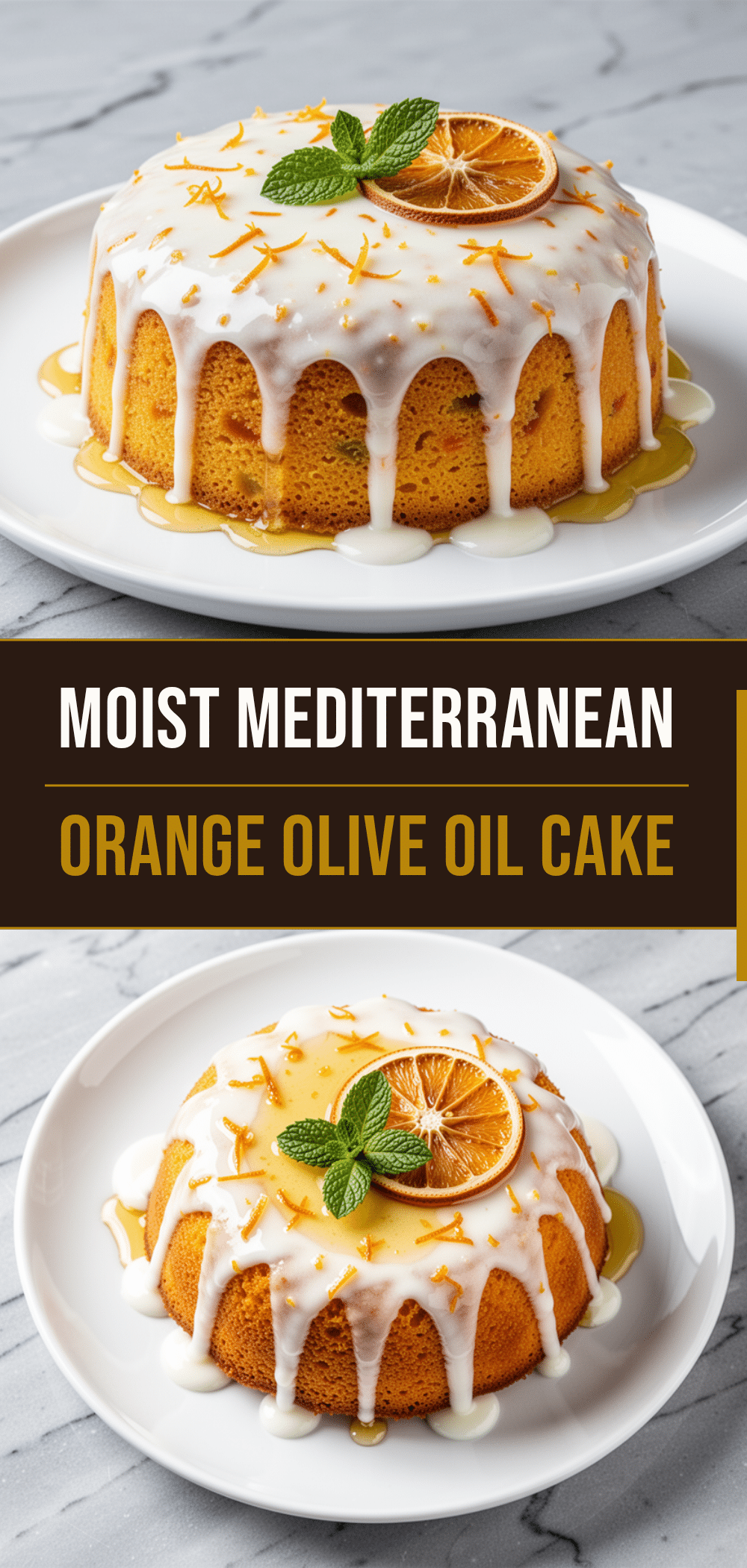

Mediterranean Orange Olive Oil Cake: Best 5-Ingredient Brunch Recipe
- Total Time: 1 hour
- Yield: 8 servings 1x
Description
A moist, elegant brunch cake made with olive oil and fresh orange, featuring a tangy honey yogurt glaze. This simple recipe uses just five core ingredients and stays fresh for days.
Ingredients
- 1/2 cup extra virgin olive oil
- 2 medium fresh oranges (zest and juice)
- 1 1/2 cups all-purpose flour
- 3/4 cup granulated sugar
- 3 large eggs (room temperature)
- 1/2 cup Greek yogurt (full-fat)
- 3 tablespoons honey
- 1/4 cup confectioners’ sugar
- Orange zest for garnish (optional)
Instructions
- Preheat oven to 350°F (175°C). Grease a 9-inch round cake pan and line the bottom with parchment paper.
- Zest both oranges until you have about 2 tablespoons of zest. Cut oranges in half and squeeze to get about 1/2 cup of fresh juice.
- In a large bowl, whisk together olive oil, sugar, and eggs vigorously for 2 minutes until pale and thickened. Add orange juice and zest; whisk until combined.
- Add flour to the wet mixture and gently fold with a spatula until just combined. Do not overmix.
- Pour batter into prepared pan and bake for 30-35 minutes, or until a toothpick inserted in the center comes out clean.
- Let cake cool in pan for 10 minutes, then invert onto a cooling rack to cool completely.
- Whisk together Greek yogurt, honey, and confectioners’ sugar to make the glaze. Adjust consistency with orange juice or sugar if needed.
- Drizzle glaze over the completely cooled cake and sprinkle with extra orange zest if desired.
Notes
Use room temperature eggs to prevent curdling. Ensure the cake is completely cool before glazing to prevent the honey from melting. Can be made gluten-free by using a 1-to-1 gluten-free flour blend. Store at room temperature for up to 3 days or in the fridge for up to 5 days.
- Prep Time: 15 minutes
- Cook Time: 30 minutes
- Category: Dessert
- Cuisine: Mediterranean
Nutrition
- Serving Size: 1 slice (1/8 of cake
- Calories: 280
- Sugar: 22
- Sodium: 10
- Fat: 12
- Saturated Fat: 2
- Carbohydrates: 38
- Fiber: 1
- Protein: 5
Keywords: olive oil cake, orange cake, brunch recipe, gluten-free cake, honey yogurt glaze, easy baking, Mediterranean dessert