I’ve always been a “five more minutes” person. If my alarm goes off and I have even a single minute of wiggle room, I’m hitting snooze. The problem is, when you’re rushing out the door with a coffee in one hand and a bag in the other, your brain doesn’t have the bandwidth to decide what to eat. Usually, that means grabbing a stale bagel from the breakroom or stopping for a sugary, processed breakfast pastry that leaves me crashing by 10 a.m.
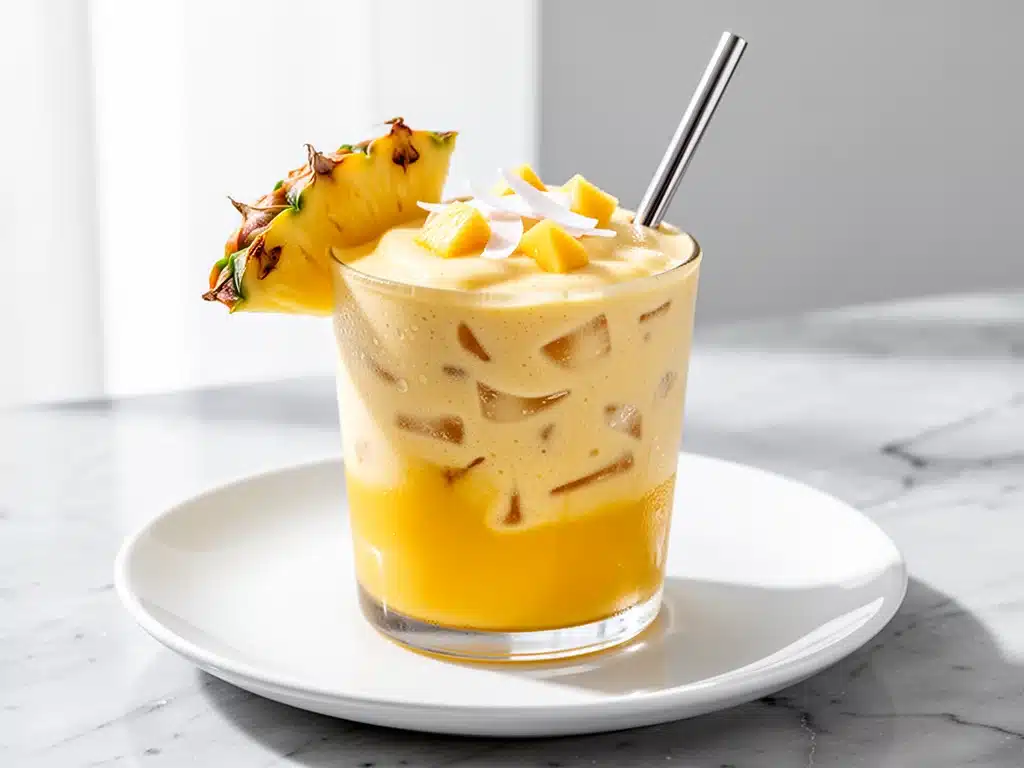
That was my life until last month, when I discovered this ultra-creamy mango pineapple smoothie with coconut milk. It sounds like a vacation in a glass, but it’s actually my lifeline on the mornings when I feel like I’m running on fumes. I made it for the first time because I had a bag of frozen mango chunks starting to get freezer-burned and a half-open can of coconut milk I didn’t want to waste. I threw it in the blender, hit “liquefy,” and walked away to shower. When I came back, the kitchen smelled like a tropical resort, and the drink was thick, cold, and perfectly balanced.
I drank it standing at the kitchen counter, still in my pajamas, and realized I hadn’t felt this energized in weeks. No jitters, no sugar crash—just steady, sunny energy. Since then, I’ve made this smoothie at least twice a week. It’s become my answer to “I don’t have time for breakfast” because it takes literally five minutes from start to finish. And unlike my overnight vanilla chia pudding, which requires planning the night before, this one is ready the second you wake up.
What makes this mango pineapple smoothie with coconut milk so special isn’t just the taste—it’s the texture. Most fruit smoothies end up watery or icy. This one is lush and rich, thanks to the healthy fats in the coconut milk. It keeps you full until lunch. I’ve tested this recipe with different blenders, different brands of frozen fruit, and even when I forgot to add ice. It works every time. If you’re tired of skipping breakfast or eating junk, you need this in your rotation.
Why You’ll Love This Recipe
There are a hundred reasons to keep this mango pineapple smoothie with coconut milk in your weekly routine, but here are the big ones that keep me coming back to the blender:
- Stupid Simple — Seriously, if you can dump ingredients into a container and press a button, you can make this. I’ve made it while looking for my keys, while the dog was barking, while I was on a work call. It’s that easy.
- Lightning Fast — From grabbing the blender to taking the first sip, it’s five minutes max. This is crucial for those mornings when you’re running late and want to feel like you didn’t sacrifice nutrition for speed.
- Thick and Creamy (Without Dairy) — Most people think dairy is needed for creaminess, but coconut milk changes the game. It’s rich, velvety, and completely dairy-free. It feels like a dessert but acts like a meal.
- Pantry-Friendly (With a Freezer Trip) — You probably have the coconut milk and maybe some bananas. The mango and pineapple are the only things you need to stock in your freezer. Once you have those, you’re set for weeks.
- Actual Energy Boost — This isn’t just sugar water. The fiber from the fruit and the fats from the coconut milk provide sustained energy. I tested this by comparing my energy levels on days I drank it versus days I just had black coffee. The difference was night and day.
- Customizable — Want it greener? Add spinach. Want more protein? Throw in some seeds. Want it colder? Add more ice. This recipe is a template, not a strict rulebook.
This smoothie has saved my mornings more times than I can count. It’s my go-to when I feel overwhelmed, when I’m traveling, or when I just need something bright and cheerful to start the day. It’s reliable, delicious, and makes me feel like I’m treating myself, even though it’s actually good for me.
Ingredients You’ll Need
Here’s the best part: this recipe uses very few ingredients, and most of them are things I keep on hand or buy in bulk. You don’t need a trip to a specialty health food store. Here’s what you’ll need, and why each one matters.
For the Base
Frozen Mango Chunks (1 ½ cups / about 200g) — This is the star. Frozen mango gives you that thick, sorbet-like texture without watering down the drink with ice. Look for bags labeled “100% mango” with no added sugar. I prefer the chunks over cubes because they blend smoother. If you can’t find frozen, fresh mango works, but you’ll need to add a cup of ice cubes.
Frozen Pineapple Chunks (1 cup / about 150g) — Pineapple adds that signature tartness that cuts through the sweetness of the mango. Frozen pineapple is key here. Fresh pineapple has an enzyme called bromelain that can make the smoothie taste metallic if you let it sit too long, and it doesn’t give you that icy thickness. Frozen chunks are sweet, tart, and perfect.
Full-Fat Coconut Milk (1 can / 13.5 oz / 400ml) — Do not use the carton coconut milk beverage (the kind you drink straight). You need the canned stuff, full-fat. Shake the can well before opening. This is what provides the creaminess and healthy fats. If you can’t find full-fat, light coconut milk works but the texture will be thinner. Almond milk or oat milk are okay substitutions, but you lose that luxurious mouthfeel.
Ice Cubes (½ cup / optional) — If your frozen fruit isn’t frozen enough (sometimes they thaw in transit), add ice. If you use very cold frozen fruit, you might not need any. It’s a texture control valve.
For Balance and Flavor
Banana (1 medium, frozen) — I know some people avoid bananas, but this one is non-negotiable for texture. It adds natural sweetness and helps emulsify the coconut milk into a smooth, creamy liquid. Freeze it peeled and sliced for easy blending. If you’re watching sugar, you can skip it, but the smoothie will be less creamy and more icy.
Lime Juice (1 teaspoon / fresh) — This is the secret weapon. A little bit of acid brightens up all that tropical sweetness. It makes the mango flavor pop. Fresh lime is best, but bottled works in a pinch. Don’t skip it—it balances the sugar.
Honey or Agave (1 tablespoon / optional) — Taste your fruit first. If your mango and pineapple are super sweet, you might not need this. If they’re tart, a little honey ties it together. I use raw honey because I like the floral notes, but agave is fine for a vegan version.
Optional Add-Ins
Chia Seeds (1 tablespoon) — For extra fiber and omega-3s. They’ll make the smoothie slightly thicker. If you add them, let it sit for 5 minutes after blending so they can expand.
Spinach (1 handful) — You won’t taste it. I promise. The mango and pineapple mask it completely. It’s an easy way to sneak in greens without ruining the flavor.
Ginger (½ teaspoon, fresh or ground) — Adds a little zing and aids digestion. Great if you’re drinking this first thing in the morning.
Pro Tip: I buy my frozen fruit in bulk bags from the warehouse store. It keeps for months in the freezer, so I never run out. Check your freezer every few weeks to make sure nothing has thawed and refrozen—that’s when you get ice crystals.
Equipment Needed
You don’t need fancy equipment for this. Here’s what I actually use:
High-Speed Blender — I use a Vitamix, but a NutriBullet or standard blender works fine too. The key is that it needs to crush ice and frozen fruit. If you have a weak blender, you might need to add a little more liquid or let the frozen fruit sit out for 5 minutes to soften slightly.
Measuring Cups and Spoons — Standard stuff. You don’t need to be precise, but having a cup helps you get the ratio right.
Knife and Cutting Board — For slicing the banana and lime. Simple.
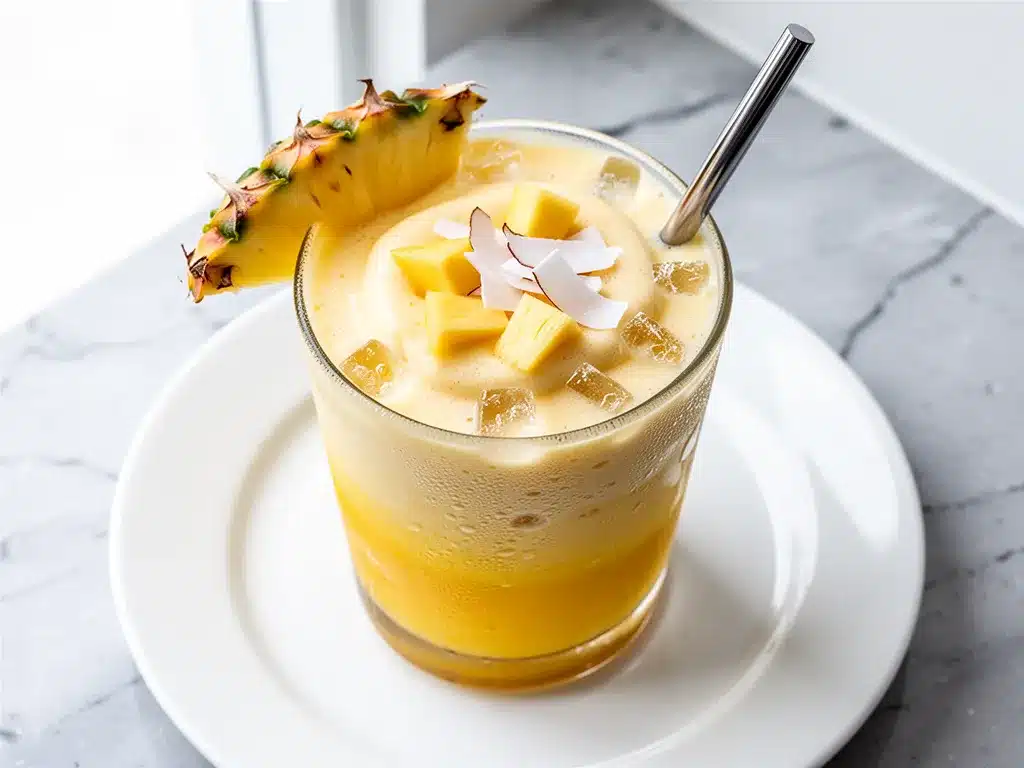
Large Glass or Tumbler — I like drinking this from a tall glass because it looks beautiful. The bright yellow color is so pretty. A mason jar works too.
Optional: Strainer — If your blender isn’t powerful enough and you get chunks of pineapple skin or fibrous mango, you can strain it. But usually, a good blender handles it all.
Tool Tip: If you blend this every morning, consider keeping your blender plugged in and ready on the counter. It removes one step from your morning routine. Just make sure to rinse it out immediately after use—it’s much easier than scrubbing dried-on smoothie later.
How to Make It: Step-by-Step
Alright, let’s make this! I’m walking you through exactly how I do it. It’s simple, but there are a few tricks to get that perfect texture.
Step 1: Prep Your Ingredients (2 minutes)
Before you start, make sure your frozen fruit is ready. If you’re using a fresh banana, slice it and freeze it on a baking sheet for an hour before blending. Measure out your coconut milk. If you’re using canned coconut milk, give the can a good shake. This ensures the cream and water are mixed, giving you consistent creaminess.
Step 2: Add Ingredients to Blender (1 minute)
Start with the liquid. Pour in the coconut milk. This helps the blades spin freely. Then add your frozen mango, frozen pineapple, frozen banana, lime juice, and honey (if using). Finally, add the ice cubes if you’re using them. Adding ice last helps it blend evenly without clumping at the bottom.
Step 3: Blend on High (1-2 minutes)
Secure the lid tightly. Start the blender on low speed to break up the large frozen chunks, then gradually increase to high. Blend for 45-60 seconds. You’re looking for a completely smooth, thick consistency. If the blender struggles or stalls, stop it, add a splash more coconut milk, and try again. Don’t force it—add liquid, don’t push down on the lid.
Step 4: Taste and Adjust (30 seconds)
Stop the blender and taste a small spoonful. Is it too thick? Add a splash of coconut milk or water. Is it too thin? Add more frozen fruit or ice. Is it not sweet enough? Add a little more honey. Is it too sweet? Add a squeeze more lime juice. This step is where you make it yours.
Step 5: Serve Immediately
Pour into a glass. The smoothie will start to separate if you let it sit, so drink it right away. If you’re meal-prepping, pour it into a mason jar and seal it tightly, but expect to shake it before drinking. Garnish with a lime wheel or a sprig of mint if you’re feeling fancy.
Total Time: About 5 minutes (2 minutes prep, 3 minutes blending).
Troubleshooting:
- Sauce too thick? Add liquid 1 tablespoon at a time.
- Sauce too watery? Add more frozen fruit. Avoid adding ice if you want it creamy, as it dilutes flavor.
- Blender won’t start? Check that the lid is locked. Also, ensure you have enough liquid at the bottom to create a vortex.
Expert Tips & Tricks
Here’s everything I’ve learned from making this smoothie dozens of times. These tips will save you from my mistakes.
Use Frozen Fruit, Not Fresh
This is the #1 rule. Fresh fruit makes a watery smoothie. Frozen fruit makes it thick and cold. If you only have fresh fruit, freeze it yourself. Slice the mango and pineapple, spread them on a tray, and freeze until solid. It takes extra time upfront but saves you every single morning.
Shake the Coconut Milk Can
Coconut milk separates in the can. The cream rises to the top. If you don’t shake it, you might get a mouthful of watery liquid or a mouthful of solid fat. Shake it well until it’s uniform. If you’re using carton coconut milk, it’s already emulsified, but it won’t be as creamy.
Don’t Overblend
Blending for too long can heat up the smoothie, especially in high-speed blenders. 60 seconds is usually enough. You want it cold and thick, not warm and frothy.
Add Greens Carefully
If you add spinach, make sure it’s fresh and tender. Kale can be tough and fibrous. If you use kale, remove the stems and blend longer. But honestly, spinach is easier and tastes better in this sweet smoothie.
Make Smoothie Packs
For even faster mornings, prep freezer bags. Put the frozen fruit, banana, and chia seeds in a ziplock bag. In the morning, just dump the bag into the blender and add the liquid. It takes 30 seconds of prep on the weekend and saves you 2 minutes every morning.
Variations & Substitutions
Once you’ve nailed the basic version, here’s how you can mix it up. I’ve tried all of these.
Tropical Twist
Add ½ cup of frozen shredded coconut. It enhances the coconut flavor and adds a nice chewy texture. This is my favorite variation when I want extra richness.
Green Machine
Add 1 cup of fresh spinach and ½ teaspoon of ginger. The ginger adds a kick that pairs perfectly with the pineapple. This is great for digestion.
Protein-Packed
Add 1 scoop of vanilla protein powder. It changes the texture slightly, making it thicker. You might need to add a little more liquid. I use whey or plant-based protein, both work well.
Anti-Inflammatory Boost
Add ½ teaspoon of turmeric and a pinch of black pepper. The pepper helps your body absorb the turmeric. It adds an earthy note, so you might want to add a little more honey.
Dairy-Free Option
This recipe is already dairy-free, but if you want to avoid coconut, use oat milk or almond milk. The texture will be thinner, so add more banana or ice for creaminess.
Gluten-Free
This recipe is naturally gluten-free. Just check your protein powder or add-ins to ensure they’re certified gluten-free.
Different Fruits
You can swap mango for peach or nectarine. You can swap pineapple for mandarin oranges. The key is to keep the ratio of sweet fruit to tart fruit balanced.
Serving & Storage
How to Serve:
I usually drink this straight from the glass. It’s refreshing and cold. But if you’re serving it to guests, put out small glasses with lime wheels and mint sprigs. It looks like a fancy brunch drink but takes 5 minutes to make.
Side Dishes:
This smoothie is a complete breakfast on its own, especially if you add protein or seeds. But if you’re still hungry, pair it with:
- A piece of toast with almond butter
- A handful of nuts
- A hard-boiled egg
- Sometimes I have it with my fluffy buttermilk blueberry pancakes on lazy weekends.
Storage Instructions:
Refrigerator: Smoothies don’t store well. They separate and lose their texture. If you must store it, put it in an airtight jar for up to 2 hours. Shake well before drinking.
Freezer: You can freeze the smoothie in ice cube trays for smoothie popsicles, but drinking it frozen isn’t great. It’s better to freeze the ingredients and blend fresh.
Meal Prep: Prep your freezer bags as mentioned in the tips. This is the best way to enjoy this smoothie on busy mornings.
Nutrition Information
I’m not a nutritionist, but here’s the breakdown if you’re tracking. This is per serving (1 smoothie).
- Calories: 320
- Protein: 4g
- Carbs: 52g
- Fiber: 8g
- Sugar: 40g (natural fruit sugar)
- Fat: 14g (healthy fats from coconut)
- Sodium: 15mg
What’s Good: High in vitamin C, fiber, and healthy fats. It’s a great source of energy without processed sugar.
What to Know: It is naturally high in sugar because of the fruit. But it’s fiber-rich, which slows down sugar absorption. If you’re diabetic, monitor your portions.
My Take: This is a nutrient-dense breakfast. It’s not a diet food, but it’s not a cheat meal either. It’s real food. When I drink this, I feel fueled, not stuffed.
Final Thoughts
So that’s my go-to ultra-creamy mango pineapple smoothie with coconut milk! I’ve probably talked your ear off at this point, but when you find a recipe that works this well, you want to share it.
This smoothie has changed my mornings. It’s my answer to “I don’t have time” and “I don’t want to cook.” It’s fast, it’s delicious, and it makes me feel good. My family loves it, my kids ask for it, and I look forward to it every day.
Make it yours! Try different add-ins, swap in your favorite fruits, adjust the sweetness. The best recipes are the ones you adapt to your taste.
If you make this, drop a comment and let me know what you think! I love hearing how recipes turn out in your kitchen. And if something doesn’t work, tell me that too—I’m here to help troubleshoot.
Happy blending! And I hope your mornings taste half as good as mine do right now.
Frequently Asked Questions
Can I use fresh mango and pineapple instead of frozen?
You can, but the smoothie will be thinner and not as cold. You’ll need to add 1-2 cups of ice cubes to compensate. I recommend freezing the fruit yourself for the best texture. Fresh fruit smoothies are more like drinks, while frozen fruit smoothies are more like milkshakes.
Why did my smoothie separate?
This is normal. The fiber and water separate from the fats. Just shake it well before drinking. If you want to prevent separation, add a banana or some chia seeds, which help emulsify the mixture. Drinking it immediately after blending also helps.
Can I make this ahead for the week?
Not really. Smoothies are best fresh. The nutrients degrade and the texture changes. But you can prep the frozen fruit packs ahead of time. That way, in the morning, you just add liquid and blend. It’s the perfect compromise.
Is this smoothie good for weight loss?
It can be part of a weight loss plan. It’s filling due to the fiber and fats, so it can help curb hunger. But it does have calories. If you’re counting calories, watch your portion size and avoid adding extra sugar. It’s better than a pastry, but it’s not zero-calorie.
Can I add protein powder to this?
Yes! Vanilla protein powder works best. Add 1 scoop after blending. You might need to add a little more liquid because protein powder absorbs moisture. It makes the smoothie thicker and more filling.
Why is my smoothie too sweet?
Probably because your fruit was very ripe or you added too much honey. Add more lime juice or a splash of lemon juice to balance the sweetness. You can also add a handful of spinach or a few ice cubes to dilute it slightly.
Can I use light coconut milk?
You can, but the smoothie will be less creamy. Light coconut milk has less fat, which means less richness. If you use it, consider adding a banana or some avocado for creaminess. Full-fat canned coconut milk is the best choice for this recipe.
Pin This Recipe!
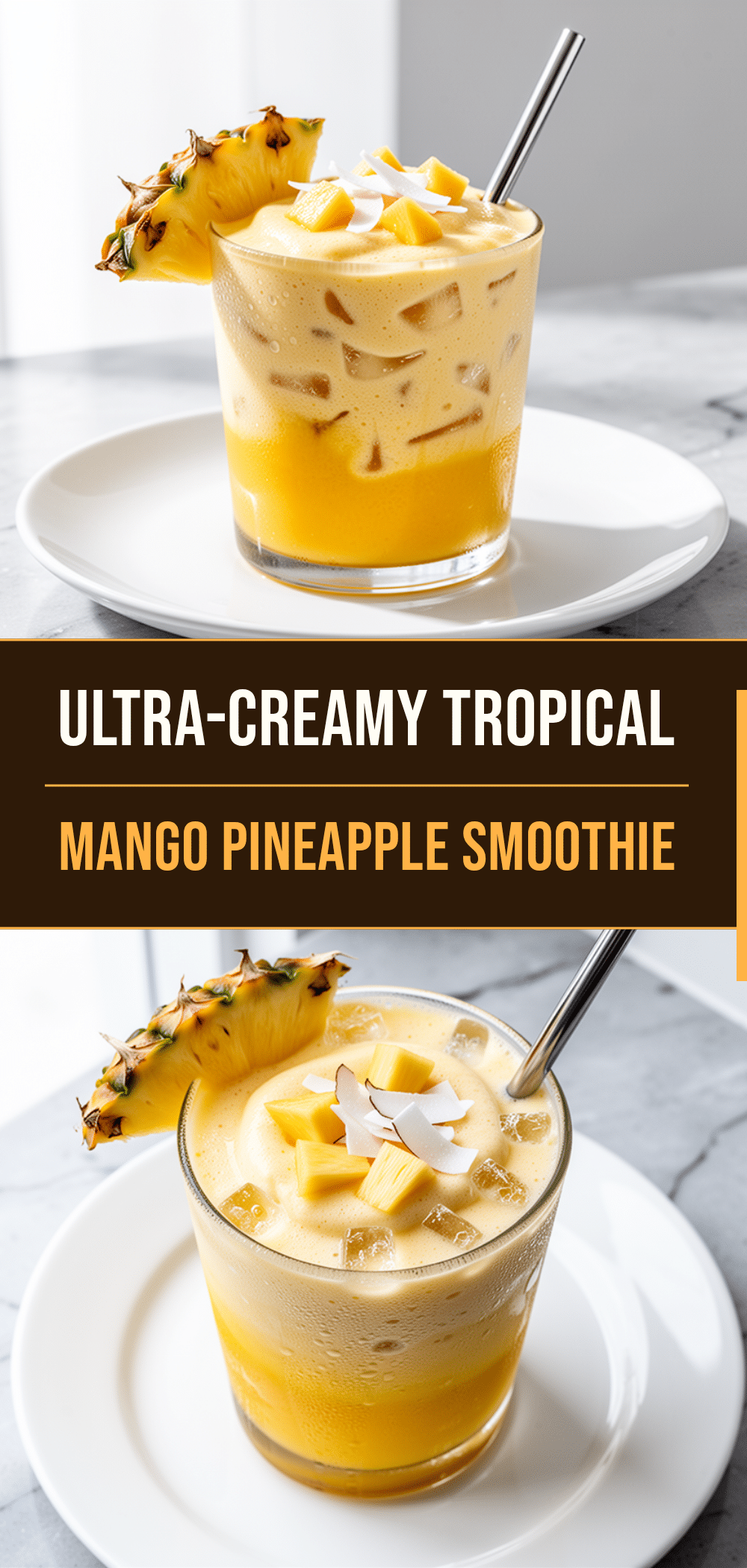
Ultra-Creamy Mango Pineapple Smoothie
- Total Time: 5 minutes
- Yield: 1 serving 1x
Description
A thick, creamy, and dairy-free breakfast smoothie made with frozen mango, pineapple, and full-fat coconut milk. It provides sustained energy without a sugar crash and is ready in just 5 minutes.
Ingredients
- 1 ½ cups frozen mango chunks
- 1 cup frozen pineapple chunks
- 1 can (13.5 oz / 400ml) full-fat coconut milk
- 1 medium banana, frozen
- 1 teaspoon fresh lime juice
- 1 tablespoon honey or agave (optional)
- ½ cup ice cubes (optional)
- 1 tablespoon chia seeds (optional)
- 1 handful spinach (optional)
- ½ teaspoon fresh or ground ginger (optional)
Instructions
- Shake the can of coconut milk well to mix the cream and water.
- Pour the coconut milk into the blender first to help the blades spin freely.
- Add the frozen mango, frozen pineapple, frozen banana, lime juice, honey (if using), and ice cubes (if using).
- Secure the lid tightly and start the blender on low speed to break up the frozen chunks.
- Gradually increase the speed to high and blend for 45-60 seconds until the mixture is completely smooth and thick.
- Taste the smoothie and adjust sweetness with more honey or thickness with more fruit/ice as needed.
- Pour into a glass and serve immediately.
Notes
Use frozen fruit for a thick, milkshake-like texture. If using fresh fruit, add 1-2 cups of ice. Shake the coconut milk can well before opening. Drink immediately to prevent separation. For meal prep, freeze fruit and banana in bags to dump into the blender in the morning.
- Prep Time: 2 minutes
- Cook Time: 3 minutes
- Category: Breakfast
- Cuisine: Tropical
Nutrition
- Serving Size: 1 large glass
- Calories: 320
- Sugar: 40
- Sodium: 15
- Fat: 14
- Saturated Fat: 12
- Carbohydrates: 52
- Fiber: 8
- Protein: 4
Keywords: mango pineapple smoothie, coconut milk smoothie, dairy-free breakfast, quick smoothie, healthy breakfast, frozen fruit smoothie, creamy smoothie