Last weekend, I was standing in my kitchen at 6:30 PM, panic rising as I realized I had zero plan for the dinner party starting in an hour. My guests were due, the house smelled like nothing but stale air, and the fridge was half-empty. I needed a centerpiece. Something festive, something that looked like I’d spent hours crafting it, but that I could actually throw together while wearing jeans and a t-shirt.
I looked at the counter and saw a half-empty bottle of dry white wine, a carton of apple cider, and a jar of caramel sauce I’d bought on impulse last month. It was a desperate combination. But then I remembered a trick I’d picked up from a bartender friend years ago: browning the apples in butter before adding them to the liquid.
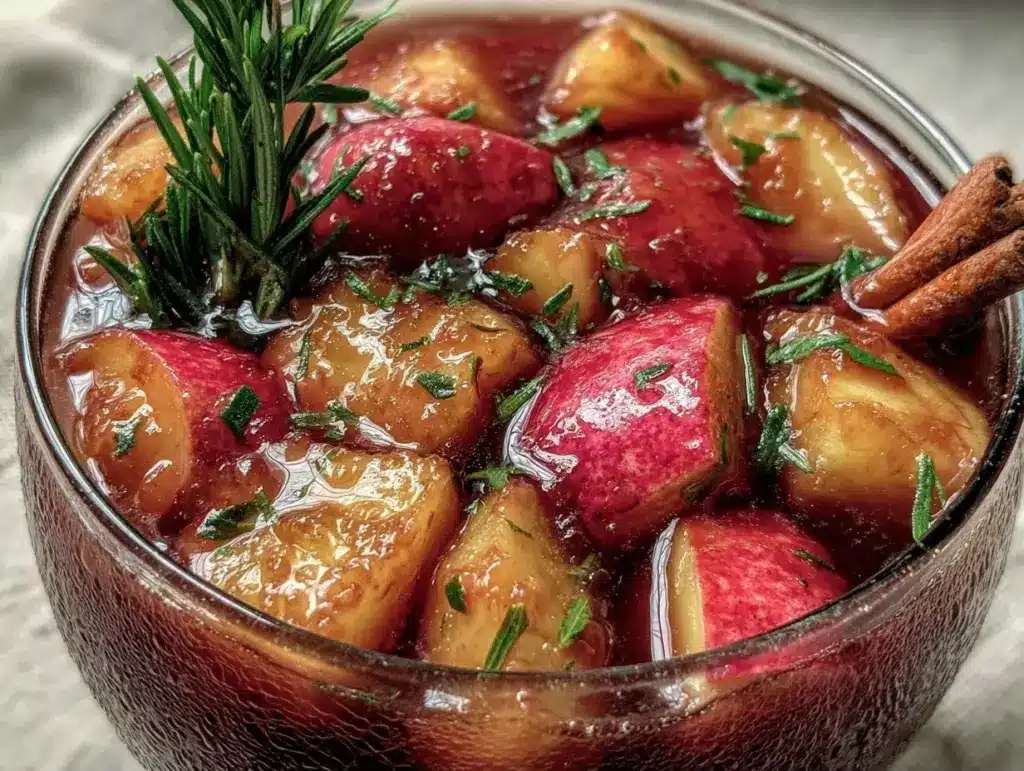
I tossed the sliced apples in a hot pan with a knob of butter and a sprinkle of cinnamon until they were golden and fragrant. Then I dumped them into the pitcher with the cider, wine, and a splash of caramel. The result? It wasn’t just sweet apple juice. It was complex. Smoky. Rich. The kind of drink that makes people stop mid-sentence and ask, “Wait, what is this? It tastes like fall in a glass.”
That night, this fall caramel apple cider sangria was the star of the party. People lined up for it. My friend Sarah, who usually sticks to red wine, asked for the recipe. It became the conversation starter. It became the cozy vibe I was desperately trying to create.
I’ve made this drink at least six times since then, tweaking the ratios until it was perfect. And I’ve learned that the secret isn’t just the ingredients—it’s that one specific step: caramelizing the fruit. It’s the difference between a sugary sipper and a sophisticated cocktail. If you’re hosting a gathering, a game day tailgate, or just want to feel cozy on a Tuesday night, this is the drink to make.
Why You’ll Love This Sangria
There are about ten reasons I keep making this, but here are the big ones that keep it in my regular rotation.
It Looks Impossible but Isn’t — Seriously, if you can slice an apple and pour a liquid, you can make this. I’ve walked my teenage niece through it over FaceTime while she was at sleepaway camp. The browning step takes five minutes, but it makes the whole thing look like you hired a sommelier.
Lightning Fast Prep — 15 minutes from start to finish. I make this on weeknights when I get home from work and need to decompress. Or I whip it up right before guests arrive. It’s ready to drink immediately, but it gets better if you let it sit for an hour.
Perfectly Balanced Sweetness — A lot of apple ciders are cloyingly sweet. This recipe uses dry white wine and a splash of apple brandy (or just extra cider) to cut through the sugar. It’s sweet, but it has a backbone. It’s not dessert; it’s a drink.
Crowd-Pleaser — I’ve served this to my wine-snob aunt, my beer-drinking brother-in-law, and my teenage cousins. Everyone loved it. It feels festive enough for a holiday party but casual enough for a backyard bonfire.
Make-Ahead Magic — The flavors meld beautifully. I often make the base the night before. It tastes even better the next afternoon. This is my go-to when I need dinner party prep to just work.
Ingredients You’ll Need
Here’s the best part: you probably have most of this already. I’m particular about three ingredients here, and I’ll tell you exactly why.
For the Base
Crabtree or Chardonnay (750ml bottle) — Use a dry white wine. I love Sauvignon Blanc for its crispness, but a dry Chardonnay adds nice body. Avoid anything labeled “sweet” or “cooking wine.” You want something you’d actually drink straight. If the wine tastes bad, the sangria will taste bad.
Apple Cider (1 quart / 950ml) — Not apple juice. Apple cider. Look for the cloudy, unfiltered kind in the refrigerated section. It has that deep, spiced apple flavor that clear juice lacks. If you can’t find fresh cider, use high-quality 100% apple juice, but you’ll miss out on some complexity.
Apples (3 medium, sliced) — I use a mix. Half Honeycrisp for crunch, half Granny Smith for tartness. The tartness is crucial to balance the caramel. If you use only sweet apples, it’ll be too cloying. Core them and slice them into thin wedges.
For the Flavor
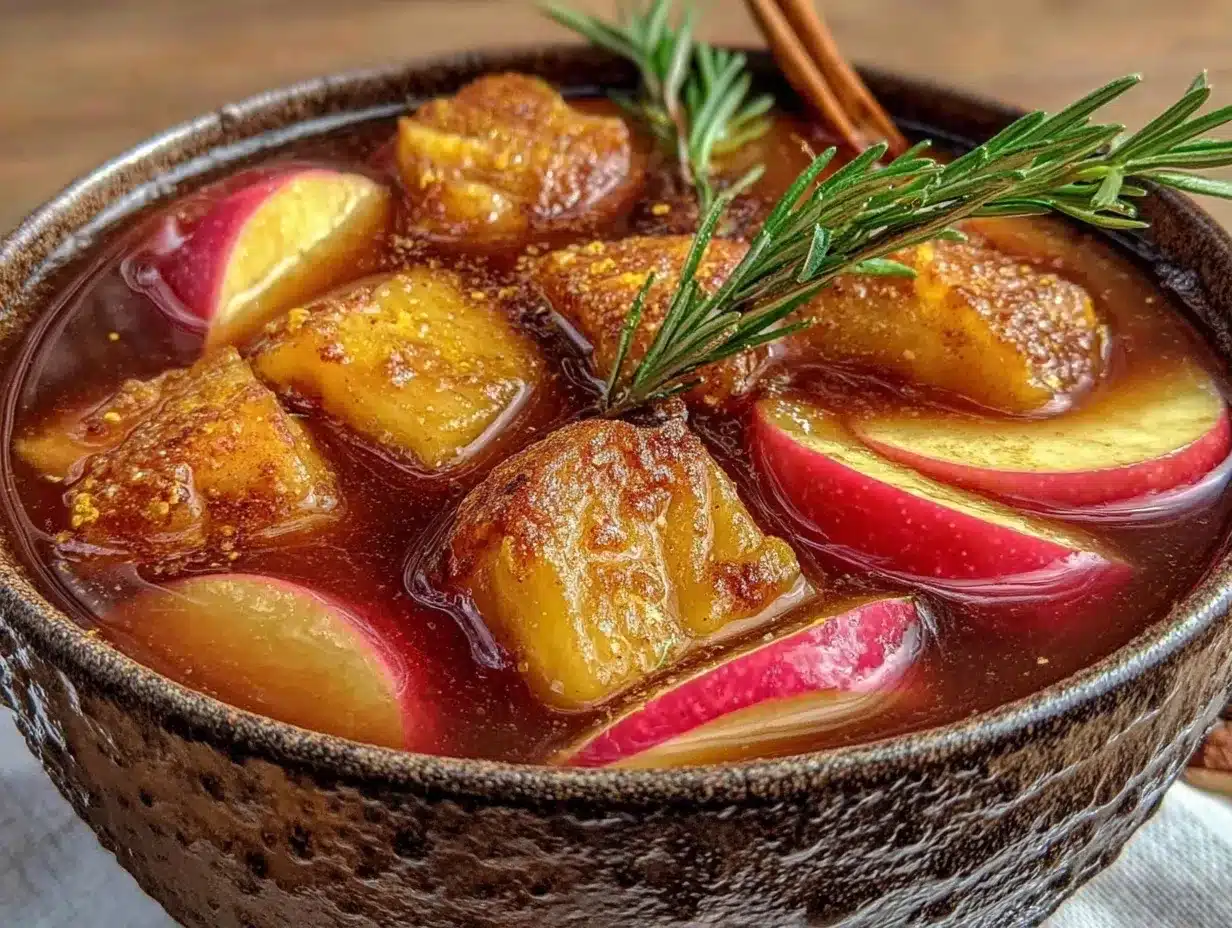
Apple Cider Brandy (2 tablespoons) — This is the secret weapon. It amplifies the apple flavor without adding sugar. If you don’t have it, you can use regular applejack or even a splash of bourbon, but brandy is traditional and perfect here. Skip it if you want a non-alcoholic version (just add more cider).
Caramel Sauce (3 tablespoons) — Use a good quality sauce. I like the thick, pourable kind from the grocery store, but homemade is best. Don’t use the thin syrup kind meant for ice cream; it’s too runny. You want something that can coat the back of a spoon.
Cinnamon Sticks (2-3 sticks) — Whole sticks, not powder. Powder makes the drink gritty and cloudy. Sticks infuse flavor slowly and beautifully. You can also use a teaspoon of ground cinnamon if you’re in a rush, but whisk it well to avoid clumps.
Star Anise (1-2 pods) — Optional, but highly recommended. It adds a subtle licorice note that pairs amazingly with apple and caramel. It looks beautiful in the pitcher too.
For the Garnish
Vanilla Ice Cream or Whipped Cream — For serving. This is the “float” style option. If you want it lighter, just skip this. But honestly? A dollop of vanilla bean ice cream in the bottom of the glass turns this into a cocktail dessert.
Fresh Thyme Sprigs — I know, thyme in a sweet drink? Trust me. It adds an earthy, herbal note that cuts the sweetness. It looks gorgeous, too. Just a small sprig per glass.
Equipment Needed
You don’t need fancy equipment for this. Here’s what I actually use.
Large Pitcher — 2-quart glass pitcher. I use a glass one because I can see the layers and the apples floating. It looks more inviting. A ceramic one works too, but glass is easier to clean.
Large Skillet — 12-inch cast iron or stainless steel. This is for browning the apples. Cast iron holds heat best, which helps get that golden crust.
Sharp Knife and Cutting Board — For slicing apples evenly. Uniform slices cook at the same rate.
Measuring Spoons — For the caramel and brandy. Don’t eyeball the caramel too much; it’s potent.
Wooden Spoon — For stirring the apples in the pan. Silicone works too.
Strainer (Optional) — If you’re serving individual glasses, you might want a small mesh strainer to catch the cinnamon sticks and apple chunks before pouring.
How to Make It: Step-by-Step
Alright, let’s make this! I’m walking you through exactly how I do it, including the little tricks I’ve picked up.
Step 1: Prep Your Apples (5 minutes)
Wash and core your apples. Slice them into thin, even wedges—about ¼ inch thick. If they’re too thick, they won’t absorb the flavors well. If they’re too thin, they’ll turn to mush. Aim for that sweet spot. Set them aside on a plate.
Step 2: The One Trick—Brown the Apples (5 minutes)
Heat a large skillet over medium-high heat. Add 1 tablespoon of butter. Wait until it foams and stops foaming (this means it’s hot). Toss in half the apple slices. Let them sit undisturbed for 2 minutes. This is crucial. Don’t stir them! You want them to develop a deep golden-brown crust. This Maillard reaction is what adds that complex, cooked-apple flavor that raw apples just don’t have.
Flip them and cook for another minute. Remove them to a plate. Repeat with the remaining apples and another tablespoon of butter. You’re looking for golden edges, not burnt. Burnt tastes bitter.
Step 3: Build the Sangria Base (2 minutes)
In your large pitcher, combine the dry white wine, apple cider, apple cider brandy, and caramel sauce. Whisk vigorously until the caramel is fully dissolved. It should look smooth and slightly thickened. Taste it. It should be sweet but with a sharp wine finish. If it’s too sweet, add a splash more wine. If it’s too sharp, add a teaspoon more caramel.
Step 4: Combine and Infuse (1 minute)
Add the browned apples, cinnamon sticks, and star anise to the pitcher. Stir gently to coat the apples in the liquid. The apples will continue to soften and release their juices into the sangria.
Step 5: Chill and Serve (10 minutes to serve)
Let the sangria sit at room temperature for 15 minutes to let the flavors meld, or refrigerate for up to 4 hours. The longer it sits, the more the apple flavor infuses. When ready to serve, give it a good stir. Ladle into glasses, making sure each person gets some apples and a cinnamon stick.
Pro Tip: For a “sangria float” version, drop a small scoop of vanilla ice cream into the bottom of the glass before pouring the sangria over it. It melts slightly, creating a creamy, dessert-like cocktail.
Expert Tips & Tricks
Here’s everything I’ve learned from making this dozens of times. These tips will save you from my mistakes.
The Browning Step is Non-Negotiable
I tried skipping this once when I was lazy. The result was flat. Sweet, but flat. The browning adds depth that mimics hours of simmering. It’s the difference between a drink and a *good* drink. Don’t skip it.
Use Dry Wine
If you use a sweet wine, the caramel will overpower everything. You want the wine to provide structure. Sauvignon Blanc or Pinot Grigio are great choices. Avoid Chardonnay if it’s heavily oaked, as the vanilla notes can clash with the caramel.
Control the Caramel
Caramel sauces vary wildly in sweetness. Start with 2 tablespoons, taste, and add more if needed. It’s easier to add than to subtract. Remember, the apples will also release natural sugars as they sit.
Don’t Over-Infuse
If you let the apples sit for more than 6 hours, they can start to disintegrate and make the sangria cloudy. For best texture, serve within 4 hours. If you’re making it ahead, add the apples right before serving.
Ice Matters
Use large ice cubes or spheres if you can. They melt slower and dilute the drink less. Small cubes will water it down quickly. If you’re serving a crowd, consider making “apple ice cubes” by freezing small apple pieces in water.
Variations & Substitutions
Once you’ve nailed the basic version, here’s how you can mix it up. I’ve tried all of these.
Spiked with Bourbon
Swap the apple brandy for bourbon. It adds a smoky, vanilla note that pairs beautifully with caramel. This version feels more like a cocktail than a punch.
Rum Version
Use dark rum instead of brandy. This gives it a tropical, Caribbean vibe. Add a pinch of nutmeg and allspice. It’s surprisingly good and feels like a fall version of a Piña Colada.
Non-Alcoholic Version
Simply omit the wine and brandy. Use extra apple cider and a splash of apple juice. Add a teaspoon of vanilla extract to replace the alcohol’s warmth. It’s still delicious, just sweeter.
Pear Cider Twist
Swap half the apple cider for pear cider. It adds a floral note that’s elegant and sophisticated. Use Bosc pears instead of apples for the fruit.
Gluten-Free
This recipe is naturally gluten-free. Just ensure your caramel sauce and cider are certified GF (some caramel thickeners contain wheat). Most are safe, but always check labels.
Lighter Version
Use sugar-free caramel sauce and a dry, low-calorie wine. It’s not as rich, but it’s still flavorful. I make this when I’m trying to watch my sugar intake.
Serving & Storage
How to serve this beauty.
How to Serve:
I usually serve this in wide-mouthed wine glasses or coupes. It looks festive. Garnish each glass with a fresh thyme sprig and a thin apple wheel. If you’re doing the float version, put the ice cream in first, then pour slowly over the top.
Side Dishes:
This pairs well with savory fall dishes. Try it with fall pumpkin spice baked french toast for a sweet breakfast, or alongside fall sausage and apple stuffed acorn squash for dinner. The acidity cuts through rich, savory foods perfectly.
Storage Instructions:
Store the base (wine, cider, caramel) in the fridge for up to 3 days. Add the apples and cinnamon sticks the day of serving. If you’ve already added them, the sangria will keep for 2 days, but the apples may get soft.
Reheating:
No, do not reheat this. It’s a cold drink. Serve it chilled. If it’s too cold, let it sit out for 10 minutes.
Nutrition Information
I’m not a nutritionist, but here’s the breakdown if you’re tracking. Per serving (based on 6 servings, 1 cup each):
| Nutrient | Amount |
|---|---|
| Calories | 180 |
| Carbs | 22g |
| Sugar | 18g |
| Protein | 0.5g |
| Fat | 1g |
| Alcohol | ~12% ABV |
What’s Good:
It’s naturally gluten-free and dairy-free (unless you add ice cream). The apples add some fiber. It’s a moderate-calorie drink compared to heavy cocktails.
What to Know:
It’s higher in sugar due to the cider and caramel. Use sugar-free caramel if you’re watching sugar. The alcohol content is significant, so sip slowly.
Final Thoughts
So that’s my go-to fall caramel apple cider sangria! I’ve probably talked your ear off at this point, but when you make a recipe this often, you have a lot to say about it.
This has saved gatherings more times than I can count. It’s my answer to “what’s for drinks?” when I’m tired, don’t want to buy a bunch of different bottles, and still want something that tastes really good. My guests are happy, my family is happy, and I’m happy because I’m not stressed about mixing drinks.
Make it yours! Try different apples, swap the brandy for bourbon, or add a pinch of cardamom. The best recipes are the ones you adapt to your tastes.
If you make this, drop a comment and let me know what you think! I love hearing how recipes turn out in your kitchen. And if something doesn’t work, tell me that too—I’m here to help troubleshoot.
Happy sipping! And I hope your kitchen smells half as good as mine does right now.
Frequently Asked Questions
Can I use apple juice instead of cider?
You can, but the flavor will be flatter. Cider has that cloudy, spiced depth that juice lacks. If you must use juice, choose 100% juice, not from concentrate, and add a pinch of cinnamon and nutmeg to boost the flavor.
Why did my sangria turn out too sweet?
Most likely, your caramel sauce was very sweet, or your cider was. Taste the base before adding the apples. If it’s too sweet, add a splash of lemon juice or more dry wine to balance it. Next time, start with less caramel.
Can I make this ahead?
Yes! Make the liquid base (wine, cider, caramel, brandy) up to 3 days ahead. Store in the fridge. Add the apples, cinnamon, and star anise the day of serving. This prevents the apples from getting mushy.
What wine is best for this?
Dry white wines work best. Sauvignon Blanc, Pinot Grigio, or a dry Chardonnay. Avoid sweet wines like Moscato or Riesling unless you’re making a very light sangria. You want the wine to provide a crisp contrast to the sweet cider.
Can I use frozen apples?
No. Frozen apples will release too much water and turn to mush. Always use fresh, firm apples. If you can’t find fresh cider, freeze fresh apple juice in ice cube trays and use those for chilling without dilution.
Is this drink strong?
It’s moderate. With 750ml of wine and 2 tablespoons of brandy in a pitcher that also holds 1 quart of cider, the alcohol content is about 8-10%. It’s sippable, but be careful. One glass goes a long way.
Can I make this in a slow cooker?
Not recommended. The heat will cook the apples and make them mushy, and the alcohol will evaporate. This is best served cold or at room temperature. If you want a warm version, make a hot apple cider punch instead.
Pin This Recipe!
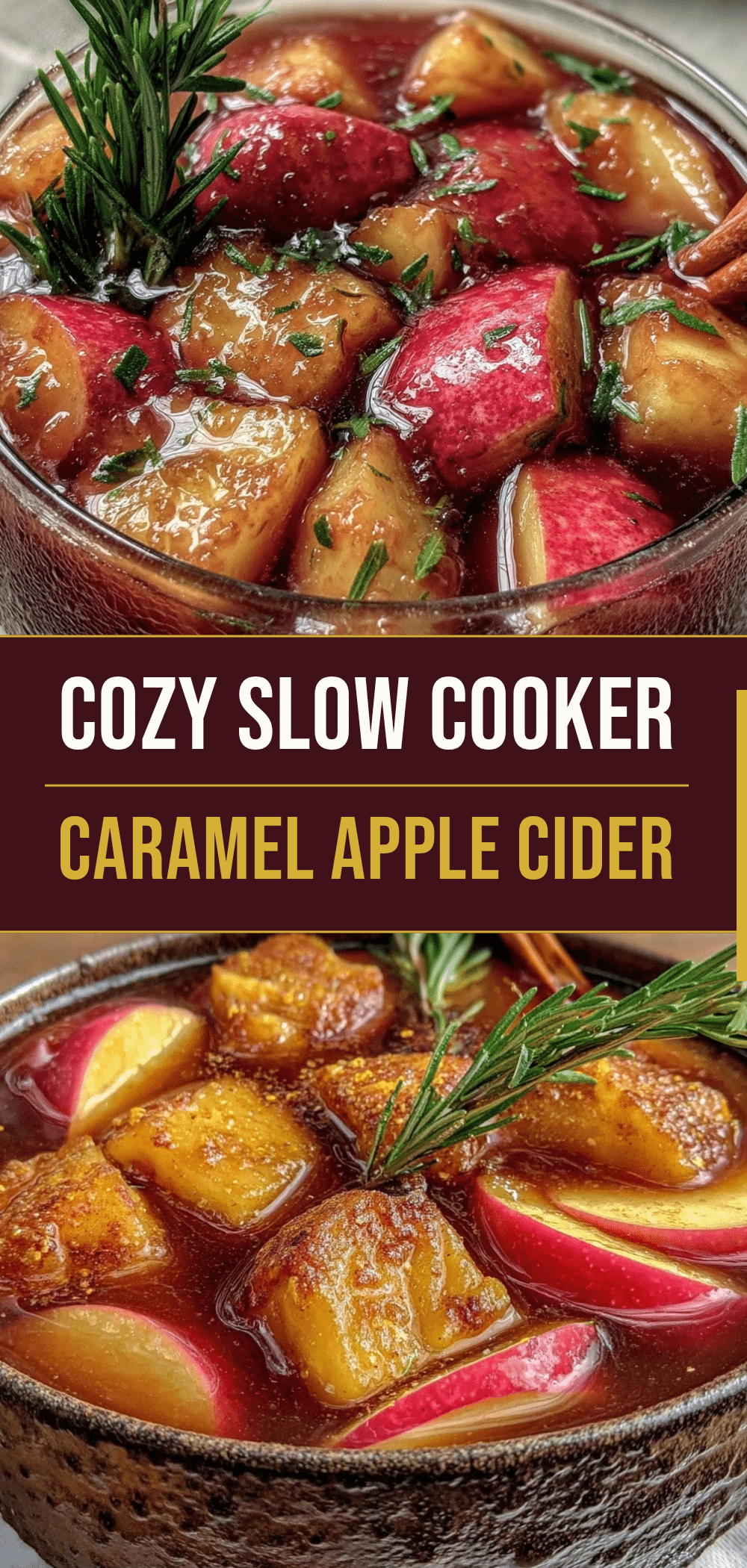
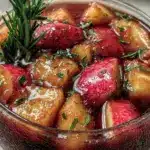
Fall Caramel Apple Cider Sangria
- Total Time: 25 minutes
- Yield: 6 servings 1x
Description
A sophisticated and festive fall cocktail featuring dry white wine, apple cider, and caramel sauce, with a secret trick of browning apples in butter for complex, smoky flavor.
Ingredients
- 1 bottle (750ml) dry white wine (Sauvignon Blanc or dry Chardonnay)
- 1 quart (950ml) apple cider (cloudy, unfiltered)
- 3 medium apples (mix of Honeycrisp and Granny Smith), cored and sliced into thin wedges
- 2 tablespoons apple cider brandy (or bourbon/applejack)
- 3 tablespoons caramel sauce (thick, pourable)
- 2 tablespoons butter (divided)
- 2–3 cinnamon sticks
- 1–2 star anise pods (optional)
- Vanilla ice cream or whipped cream (for serving, optional)
Instructions
- Wash and core the apples, slicing them into thin, even wedges (about ¼ inch thick). Set aside.
- Heat a large skillet over medium-high heat and add 1 tablespoon of butter. Wait until it foams and stops.
- Toss half the apple slices into the hot pan and let them sit undisturbed for 2 minutes to develop a golden-brown crust.
- Flip the apples and cook for another minute. Remove to a plate. Repeat with the remaining apples and the second tablespoon of butter.
- In a large pitcher, combine the dry white wine, apple cider, apple cider brandy, and caramel sauce. Whisk vigorously until the caramel is fully dissolved.
- Add the browned apples, cinnamon sticks, and star anise to the pitcher. Stir gently to coat.
- Let the sangria sit at room temperature for 15 minutes to meld flavors, or refrigerate for up to 4 hours.
- Stir well before serving. Ladle into glasses, ensuring each serving gets apples and spices.
- Garnish with fresh thyme sprigs or serve with a scoop of vanilla ice cream for a ‘float’ style.
Notes
The browning step is crucial for depth of flavor; do not skip it. Use dry wine to balance the sweetness of the cider and caramel. For best texture, serve within 4 hours of adding the apples. The base can be made up to 3 days ahead, but add fruit and spices the day of serving.
- Prep Time: 15 minutes
- Cook Time: 10 minutes
- Category: Beverages
- Cuisine: American
Nutrition
- Serving Size: 1 cup
- Calories: 180
- Sugar: 18
- Sodium: 10
- Fat: 1
- Saturated Fat: 0.5
- Carbohydrates: 22
- Fiber: 0.5
- Protein: 0.5
Keywords: fall cocktail, apple cider sangria, caramel apple drink, party punch, white wine sangria, easy cocktail, autumn recipes