I used to think “healthy eating” meant dry chicken breast, sad lettuce wraps, and a side of regret. That changed last Tuesday when I was running late from work, hungry enough to eat the furniture, and decided to try a quick Korean beef bulgogi rice bowl. I didn’t have a plan. I just had some flank steak, a jar of soy sauce, and a cucumber that was starting to look a little sad in the crisper drawer.
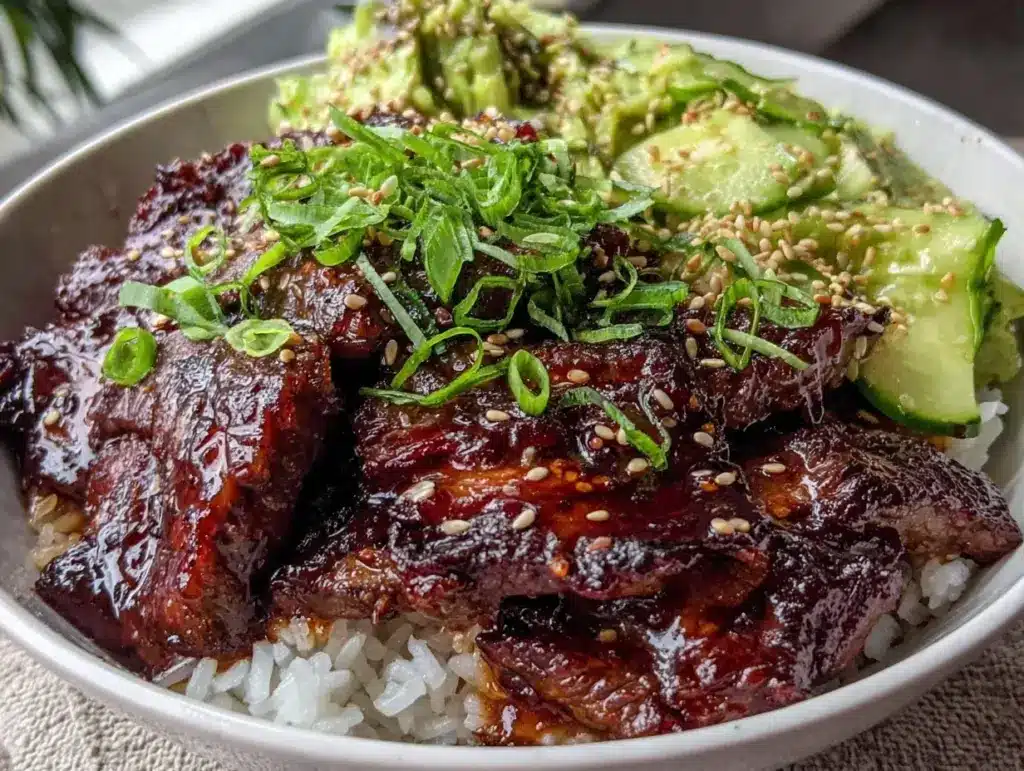
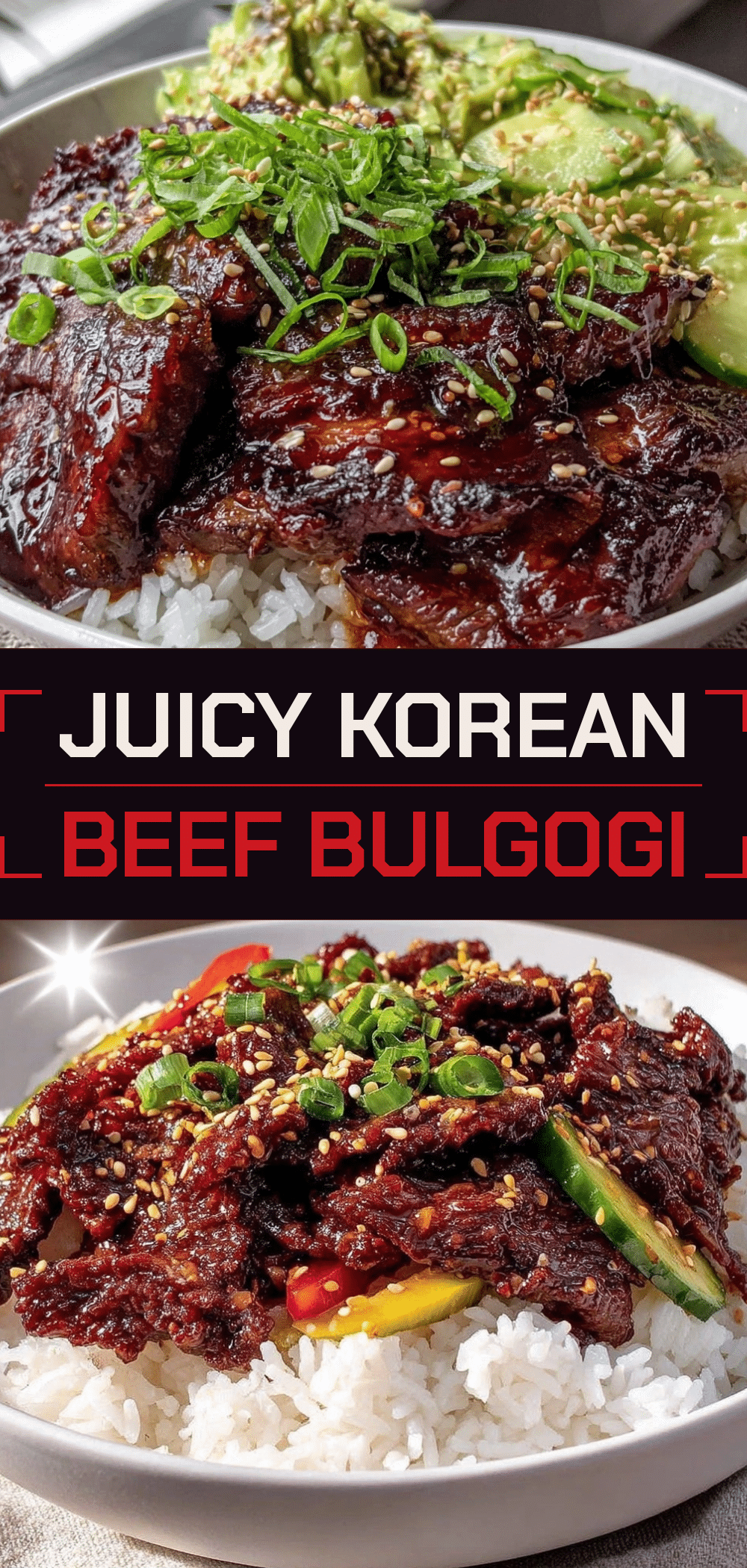
Twenty minutes later, I was sitting at my kitchen table with a bowl that was literally steaming, smelling like garlic and sesame, and packed with enough protein to keep me going until dinner the next day. The beef was tender, the sauce was sticky and sweet-savory, and those quick pickled cucumbers added this bright, crunchy punch that made the whole thing feel fresh instead of heavy. I ate it in three bites and immediately started planning what I’d make for Thursday.
This Korean beef bulgogi rice bowl isn’t just another trend. It’s practical. It’s got high-quality protein from the beef, complex carbs from the rice, and fiber from the veggies. It fuels your day without feeling like diet food. And the best part? It takes less time than it takes to order takeout.
I’ve made this recipe at least a dozen times since that first night. Sometimes I use sirloin, sometimes I stick with flank. Sometimes I add mushrooms. But the core method stays the same because it just works. If you’re tired of the same old weeknight routine, this bowl is your answer.
Why You’ll Love This Recipe
There are a lot of reasons I keep coming back to this Korean beef bulgogi rice bowl, but let’s be real—it’s mostly about how good it tastes and how little effort it takes. Here’s why it’s earned a permanent spot in my rotation:
- Stupid Simple Marinade — You don’t need a trip to the Asian grocery store. I use soy sauce, brown sugar, garlic, ginger, and sesame oil. If you have these in your pantry, you’re already halfway done. I’ve made this with pantry staples alone during late-night panic sessions.
- High Protein, High Satisfaction — This isn’t a salad that leaves you hungry an hour later. The beef gives you serious protein, and the rice keeps you full. It’s fuel that actually feels like a treat. My husband, who usually complains about “healthy” dinners, asks for this one specifically.
- Quick Pickled Cucumber Magic — This is the game-changer. The cucumbers pickle in just 10 minutes while the beef cooks. They cut through the richness of the beef and add a refreshing crunch that elevates the whole bowl. It’s like a palate cleanser and a flavor booster in one.
- Lightning Fast — 20 minutes from start to finish. The beef cooks in under 5 minutes once it’s in the pan. I make this on nights when I’m exhausted and don’t want to think about chopping a mountain of vegetables.
- Customizable — Vegetarian? Swap the beef for extra-firm tofu or mushrooms. Want more greens? Toss in some spinach or bok choy. This bowl adapts to whatever you have on hand.
- Meal Prep Friendly — The marinade and the pickled cucumbers can be prepped ahead. I often marinate the beef in the morning so it’s ready to go when I get home. The rice reheats well, too.
This is my go-to when I need dinner to just work. No complicated techniques, no weird ingredients, just reliable, delicious food that makes everyone happy. It’s comfort food with a kick.
Ingredients You’ll Need
Here’s the best part: you probably have most of this already. The marinade is simple, and the pickled cucumbers only need two ingredients. I’m particular about a few things here, and I’ll tell you exactly why.
For the Beef Marinade
Flank steak (1 pound / 450g) — This is the best cut for bulgogi because it’s lean but tender when sliced thin against the grain. Sirloin works too, but flank has better flavor. Look for a flat, even piece.
Soy sauce (¼ cup / 60ml) — Use low-sodium if you can. It gives you control over the saltiness. Regular soy sauce works, but you might need to reduce the added salt later.
Brown sugar (2 tablespoons / 30g) — Light or dark both work. Dark gives a deeper molasses flavor. This balances the salty soy sauce and helps the beef caramelize.
Sesame oil (1 tablespoon / 15ml) — Toasted sesame oil is key. It smells nutty and amazing. Don’t use untoasted sesame oil here; it’s too mild. A little goes a long way.
Garlic (4 cloves, minced / about 2 tablespoons) — Fresh garlic is non-negotiable. Jarred garlic has a weird metallic taste that clashes with the delicate sesame flavor. Minced fresh garlic adds real depth.
Fresh ginger (1 tablespoon, grated / about 15g) — Grate it on a microplane for smoothness. Fresh ginger adds a bright, spicy warmth that ground ginger just can’t match. If you’re being lazy, you can use ½ teaspoon ground ginger, but fresh is better.
Black pepper (½ teaspoon) — Freshly cracked is best. It adds a subtle heat that complements the sweetness.
For the Bowl
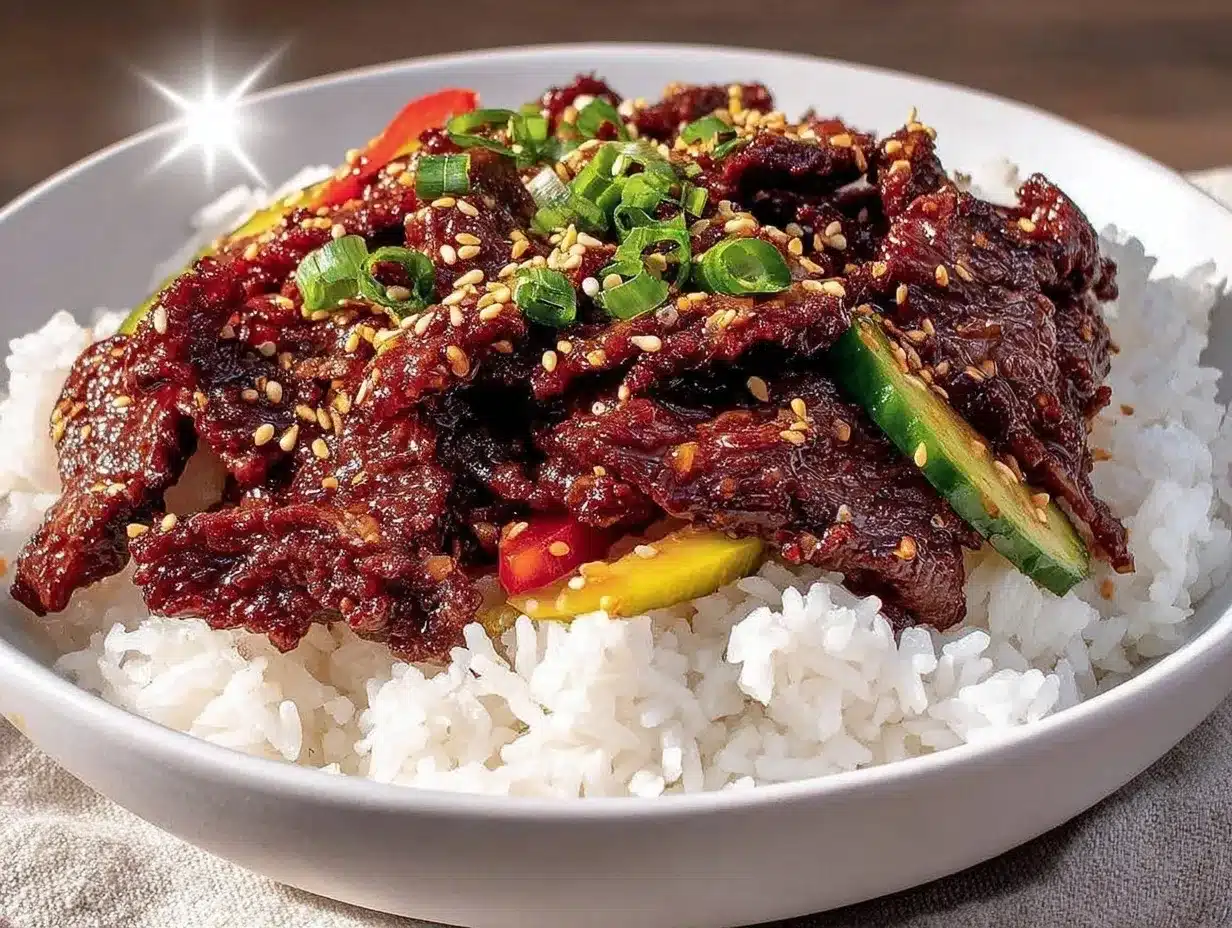
White rice (1 cup dry / 200g) — I use short-grain or sushi rice for stickiness, but jasmine rice works if you prefer fluffier grains. Cook according to package directions. You can also use brown rice for more fiber, though it takes longer to cook.
Vegetable oil (1 tablespoon / 15ml) — For searing the beef. I use avocado oil or canola oil. Olive oil works too, but it has a stronger flavor that might clash with the sesame.
Sesame seeds (1 tablespoon) — Toasted sesame seeds add a nice crunch and visual appeal. Sprinkle on top before serving.
For the Quick Pickled Cucumbers
Cucumber (1 large English cucumber / about 300g) — English cucumbers are less seedy and more tender. Persian cucumbers work too. Slice them thin for quicker pickling.
Rice vinegar (2 tablespoons / 30ml) — Mild and slightly sweet. Distilled white vinegar works in a pinch, but rice vinegar is more authentic and less harsh.
Sugar (1 teaspoon / 5g) — Just a little to balance the vinegar. You can skip it if you prefer tart, but a little sweetness makes the pickle more complex.
Salt (½ teaspoon) — Draws out moisture from the cucumber and starts the pickling process. Don’t skip this step.
Red pepper flakes (½ teaspoon, optional) — For a little heat. I add this if I want a spicy kick. Adjust to your taste.
Optional Add-ins:
Carrots (1 medium, julienned) — Adds color and sweetness. I often add these to the pickle for extra crunch.
Green onions (2 stalks, sliced) — For garnish and a mild onion flavor.
Sriracha (1 tablespoon) — For extra spice. Mix into the rice or drizzle on top.
Equipment Needed
You don’t need fancy equipment for this. Here’s what I actually use:
Large skillet or wok — I use a 12-inch cast iron skillet. It holds heat well and gives the beef a good sear. A wok works too if you like tossing the beef around.
Sharp knife — For slicing the beef thin and chopping the cucumber. A dull knife makes slicing difficult and dangerous. Invest in a good chef’s knife.
Cutting board — Any size works. I use a large plastic one for easy cleanup.
Small bowl — For mixing the marinade. A glass or ceramic bowl works best.
Measuring cups and spoons — Standard stuff. Dollar store versions work fine.
Rice cooker or medium pot — For cooking the rice. I use a rice cooker because it’s set-and-forget. If you don’t have one, a pot with a tight-fitting lid works.
Microplane or grater — For the ginger and garlic. A microplane gives the smoothest results.
Slotted spoon or tongs — For removing the beef from the marinade and flipping it in the pan.
Small bowl for pickling — A glass bowl or jar works well for the cucumbers. They don’t need to marinate long, so any small container is fine.
How to Make It: Step-by-Step
Alright, let’s make this! I’m walking you through exactly how I do it, including the little tricks I’ve picked up.
Step 1: Prep the Beef (5 minutes)
Take the flank steak out of the fridge and let it sit for 10 minutes while you prep the other ingredients. This helps it cook more evenly. Slice the beef against the grain into thin strips. This is crucial for tenderness. If you slice with the grain, the beef will be chewy. I know it’s fussy, but it makes a huge difference. Place the sliced beef in a large bowl.
Step 2: Make the Marinade (2 minutes)
To the bowl with the beef, add the soy sauce, brown sugar, sesame oil, minced garlic, grated ginger, and black pepper. Whisk everything together until the sugar is dissolved. Toss the beef in the marinade, making sure every piece is coated. Let it sit for at least 15 minutes, or up to 2 hours in the fridge. I usually do this while I cook the rice. If you’re short on time, 10 minutes works, but longer is better for flavor.
Step 3: Cook the Rice (20 minutes)
Rinse the rice under cold water until the water runs clear. This removes excess starch and prevents clumping. Combine 1 cup of rice with 1¼ cups of water in a rice cooker or a medium pot. If using a pot, bring to a boil, then reduce heat to low, cover, and simmer for 18 minutes. Remove from heat and let it sit, covered, for 10 minutes. Fluff with a fork. The rice should be tender and slightly sticky.
Step 4: Make the Quick Pickled Cucumbers (5 minutes)
While the rice cooks, slice the cucumber into thin half-moons. Place them in a small bowl and sprinkle with salt. Toss to coat and let them sit for 5 minutes. This draws out moisture and starts the pickling process. After 5 minutes, drain any liquid, then add the rice vinegar, sugar, and red pepper flakes. Toss to combine. The cucumbers will start to soften and absorb the flavors. They’re ready to eat immediately, but they get better after 10 minutes.
Step 5: Cook the Beef (5 minutes)
Heat a large skillet or wok over high heat. Add the vegetable oil and let it get hot but not smoking. Remove the beef from the marinade, letting excess drip off. Add the beef to the pan in a single layer. Don’t overcrowd the pan; cook in batches if necessary. Sear for 2-3 minutes without moving it, then flip and cook for another 2 minutes. The beef should be browned and cooked through. If the marinade in the bowl looks messy, don’t worry—we’re not using it.
Step 6: Assemble the Bowls
Ladle the cooked rice into bowls. Top with the seared beef. Add a generous portion of the quick pickled cucumbers. Sprinkle with toasted sesame seeds and sliced green onions. Drizzle with sriracha if you like heat. Serve immediately while the beef is hot and the cucumbers are crisp.
Total Time: About 30 minutes (10 minutes active, 20 minutes mostly hands-off)
Troubleshooting:
Beef is tough? You sliced with the grain. Next time, slice against it.
Sauce is too salty? Use low-sodium soy sauce next time.
Cucumbers are too sour? Add a bit more sugar or let them pickle longer.
Expert Tips & Tricks
Here’s everything I’ve learned from making this dozens of times. These tips will save you from my mistakes.
Slice Against the Grain
This is the #1 tip for tender beef. Look at the direction of the muscle fibers and cut perpendicular to them. It’s like cutting through the wood grain, not with it. This breaks down the fibers and makes the beef melt-in-your-mouth tender.
Don’t Crowd the Pan
If you put too much beef in the pan at once, it steams instead of sears. You want a good crust. Cook in batches if you have a smaller skillet. The beef should sizzle when it hits the pan.
Toast Your Sesame Seeds
Raw sesame seeds are fine, but toasted ones add a nutty flavor and crunch. Toast them in a dry pan over medium heat for 2-3 minutes, stirring constantly, until they’re golden brown. They burn quickly, so watch them closely.
Use Fresh Ginger
Ground ginger is a weak substitute. Fresh ginger has a bright, spicy kick that enhances the marinade. Grate it on a microplane for smoothness. If you’re feeling lazy, buy pre-minced fresh ginger in a tube, but fresh from the root is best.
Make-Ahead Strategy
Marinate the beef in the morning and store in the fridge. Cook the rice ahead and reheat it. The pickled cucumbers can be made up to 2 days ahead and stored in the fridge. This makes weeknight assembly a breeze.
Variations & Substitutions
Once you’ve nailed the basic version, here’s how you can mix it up. I’ve tried all of these.
Chicken Bulgogi Bowl
Swap the beef for chicken thighs, cut into bite-sized pieces. Chicken cooks faster, so reduce the cooking time to 3-4 minutes. Marinate for at least 30 minutes for best flavor.
Tofu Version
Use extra-firm tofu, pressed and cubed. Marinate for 1 hour. Pan-fry until crispy on all sides. It absorbs the marinade beautifully and adds plant-based protein.
Veggie-Loaded
Add sliced mushrooms, bell peppers, or bok choy to the pan with the beef. Cook the veggies first, remove, then cook the beef, and combine. This adds fiber and volume without adding many calories.
Spicy Kick
Add 1 tablespoon of gochujang (Korean chili paste) to the marinade. It adds depth and heat. Or drizzle sriracha on top before serving.
Gluten-Free
Use tamari instead of soy sauce. Everything else is naturally gluten-free. I’ve used tamari and it tastes just as good.
Dairy-Free
This recipe is naturally dairy-free. Just make sure your sesame oil and soy sauce are dairy-free (they usually are).
Serving & Storage
How to Serve:
I usually serve this straight from the skillet at the dinner table—it looks rustic and stays warm. But here are other ways I’ve enjoyed it:
- Side Dishes: Simple green salad with sesame dressing, edamame, or steamed broccoli.
- Toppings Bar: When I have guests, I put out: extra sesame seeds, sliced green onions, sriracha, and crushed peanuts. Everyone customizes their bowl.
- Wine Pairing: Not a wine expert, but my wine-snob friend says a crisp Riesling or a light Pinot Noir works great with this.
Storage Instructions:
Refrigerator:
Store the beef, rice, and cucumbers separately in airtight containers for up to 3 days. The beef will get tougher if stored with the rice, so keep them apart.
Reheating:
Best method: Reheat the beef in a skillet over medium heat with a splash of water. Reheat the rice in the microwave. Combine and serve with fresh cucumbers (re-pickled if you want them crisp).
Microwave method: Heat the beef and rice together in a microwave-safe bowl, covered, for 1-2 minutes. Stir halfway through. The cucumbers should be added fresh or at room temperature.
Freezing:
Honestly, this doesn’t freeze well because of the cucumbers and the rice texture. The beef freezes okay, but the marinade can make it mushy. Make it fresh or store in the fridge for up to 3 days.
Meal Prep:
Marinate the beef on Sunday, cook the rice, and slice the cucumbers. Store everything separately. Assemble bowls during the week. Takes 5 minutes and tastes way better than reheated leftovers.
Nutrition Information
I’m not a nutritionist, but here’s the breakdown if you’re tracking.
Per Serving (based on 4 servings):
| Nutrient | Amount |
|---|---|
| Calories | 450 |
| Protein | 30g |
| Carbs | 45g |
| Fiber | 3g |
| Sugar | 6g |
| Fat | 15g |
| Saturated Fat | 3g |
| Cholesterol | 60mg |
| Sodium | 600mg |
| Calcium | 60mg |
What’s Good:
– High protein from the beef helps build and repair muscle.
– Rice provides energy for your day.
– Cucumbers add hydration and fiber.
– Can add vegetables to boost nutrition further.
What to Know:
– Higher in calories from the beef and sesame oil.
– Contains soy (soy sauce).
– Moderate sodium (use low-sodium soy sauce to reduce).
My Take:
Look, this is comfort food with beef and rice. It’s not a diet recipe. But it’s way better than takeout, costs less, and I know exactly what’s in it. When I want to make it lighter, I use less oil and add more veggies. But usually? I just eat a reasonable portion and enjoy it. It fuels my day without feeling like diet food.
Final Thoughts
So that’s my go-to Korean beef bulgogi rice bowl! I’ve probably talked your ear off at this point, but when you make a recipe this often, you have a lot to say about it.
This has saved weeknight dinners more times than I can count. It’s my answer to “what’s for dinner” when I’m tired, don’t want takeout, and still want something that tastes really good. My kids are happy, my husband’s happy, and I’m happy because I’m not stressed about cooking.
Make it yours! Try different add-ins, swap in your favorite vegetables, adjust the spice level. The best recipes are the ones you adapt to your family’s tastes.
If you make this, drop a comment and let me know what you think! I love hearing how recipes turn out in your kitchen. And if something doesn’t work, tell me that too—I’m here to help troubleshoot.
Happy cooking! And I hope your kitchen smells half as good as mine does right now.
Frequently Asked Questions
Can I use sirloin instead of flank steak?
Yes, sirloin works well. It’s slightly more tender but less flavorful than flank. Slice it thin against the grain, just like you would with flank. It cooks in the same amount of time.
My sauce turned out watery—what happened?
This usually means you didn’t cook the beef long enough to let the liquid evaporate, or you added too much marinade. Make sure to cook the beef in a hot pan and let it sear properly. The sauce should coat the beef, not pool at the bottom.
Can I make this ahead for a dinner party?
Sort of. Marinate the beef up to 2 days ahead and store in the fridge. Cook the rice fresh or reheat it. Pickle the cucumbers ahead. Assemble bowls right before serving to keep the beef hot and the cucumbers crisp. I do this all the time for parties.
Why did my beef get tough?
You likely sliced with the grain. Always slice against the grain to break down the muscle fibers. Also, don’t overcook the beef. It cooks very quickly—2-3 minutes per side is usually enough.
Can I use jarred garlic?
You can, but fresh tastes so much better in this recipe. Jarred garlic has a weird metallic taste that really shows up in the marinade. If you must use it, use half the amount because it’s stronger. But honestly, mincing 4 cloves takes like 2 minutes. Buy pre-peeled garlic cloves if you want to save time.
How do I reheat leftovers without it getting dry?
Add a splash of water or broth to a skillet, add your leftover beef, and heat gently over medium heat, stirring frequently. The extra liquid brings back the moisture. Microwave sort of works but tends to dry it out. If you do microwave, definitely add a splash of water first and heat in short bursts, stirring between.
Can I double this recipe?
Absolutely! Double everything and use your biggest skillet or wok. The cooking times stay the same. I do this when I’m meal-prepping or feeding a crowd. Just make sure your pan is big enough for the beef—you might need to cook in batches.
Pin This Recipe!
Korean Beef Bulgogi Rice Bowl: 5-Step Fuel
- Total Time: 30 minutes
- Yield: 4 servings 1x
Description
A quick, high-protein Korean beef bulgogi rice bowl featuring a sticky sweet-savory marinade, tender flank steak, and bright quick-pickled cucumbers. Ready in about 30 minutes with simple pantry staples.
Ingredients
- 1 pound flank steak, sliced thin against the grain
- 1/4 cup soy sauce (low-sodium recommended)
- 2 tablespoons brown sugar
- 1 tablespoon toasted sesame oil
- 4 cloves garlic, minced
- 1 tablespoon fresh ginger, grated
- 1/2 teaspoon black pepper
- 1 cup white rice (short-grain or sushi)
- 1 tablespoon vegetable oil (for searing)
- 1 tablespoon toasted sesame seeds
- 1 large English cucumber, sliced thin
- 2 tablespoons rice vinegar
- 1 teaspoon sugar
- 1/2 teaspoon salt
- 1/2 teaspoon red pepper flakes (optional)
- 2 stalks green onions, sliced (optional garnish)
- 1 tablespoon sriracha (optional)
Instructions
- Slice the flank steak against the grain into thin strips and place in a large bowl.
- Add soy sauce, brown sugar, sesame oil, minced garlic, grated ginger, and black pepper to the beef. Whisk to combine and toss to coat. Let marinate for at least 15 minutes (up to 2 hours).
- Rinse rice under cold water until clear. Cook 1 cup rice with 1 1/4 cups water in a rice cooker or pot (simmer 18 mins, rest 10 mins). Fluff with a fork.
- While rice cooks, slice cucumber into thin half-moons. Toss with salt and let sit for 5 minutes to draw out moisture. Drain liquid, then add rice vinegar, sugar, and red pepper flakes. Toss and set aside.
- Heat vegetable oil in a large skillet or wok over high heat. Remove beef from marinade (discard excess marinade) and sear in a single layer for 2-3 minutes per side until browned and cooked through.
- Assemble bowls by ladling rice, topping with seared beef, adding pickled cucumbers, and sprinkling with sesame seeds and green onions. Drizzle with sriracha if desired.
Notes
Slice beef against the grain for tenderness. Do not overcrowd the pan when searing beef to ensure a good crust. Toast sesame seeds in a dry pan for better flavor. The recipe is naturally dairy-free. For gluten-free, use tamari instead of soy sauce.
- Prep Time: 10 minutes
- Cook Time: 20 minutes
- Category: Main Course
- Cuisine: Korean
Nutrition
- Serving Size: 1 bowl
- Calories: 450
- Sugar: 6
- Sodium: 600
- Fat: 15
- Saturated Fat: 3
- Carbohydrates: 45
- Fiber: 3
- Protein: 30
Keywords: Korean beef, bulgogi, rice bowl, quick dinner, high protein, meal prep, healthy eating, weeknight dinner, flank steak, pickled cucumbers