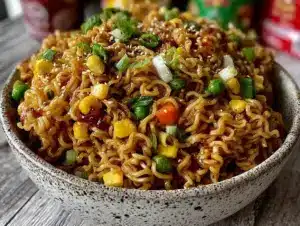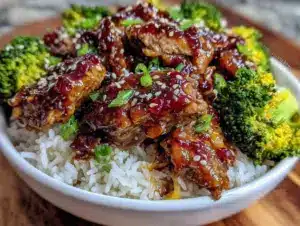
I have a confession to make. For the better part of a decade, Friday nights were officially “takeout night.” You know the drill. You’ve had a long week, the kids are running on fumes, and the last thing you want to do is chop vegetables or worry about burning the rice. So, we’d scroll through three different apps, argue over whether to get Thai or Chinese, and by the time the delivery driver rang the doorbell, we’d be too tired to enjoy it properly.
Then, last month, something shifted. I was staring at a package of flank steak and a bag of broccoli florets that were slowly turning slimy in my crisper drawer, and I had a sudden, desperate need to make something that tasted like comfort but actually had some substance in it. I didn’t want to order out. I wanted to *cook* out. So, I threw together what I thought would be a mediocre stir-fry. I used up the last of my garlic, some butter I’d been saving, and a handful of noodles that had been sitting in the pantry since summer.
Thirty minutes later, my husband walked in, sniffed the air, and literally stopped in his tracks. “What is that smell?” he asked. It wasn’t just dinner. It was the smell of a restaurant kitchen, but better. Sweeter. Richer. The kids devoured it so fast I barely got a bite. That night, the takeout menu went back into the drawer, and Garlic Butter Beef and Broccoli Noodles took its place. It’s become our new Friday night tradition, and honestly? It’s the only stir-fry I make anymore.
I’ve tested this recipe at least a dozen times since that first night, tweaking the sauce ratios, testing different cuts of beef, and figuring out exactly how long to cook the noodles so they stay perfectly chewy instead of mushy. What I’ve landed on is hands-down the best version of this dish I’ve ever had. It’s sweet, savory, garlicky, and comes together faster than I can wait for a delivery driver to find my house.
If you’re tired of bland, soggy stir-fries and want a meal that actually makes your family ask for seconds (and thirds), you need to try this. It’s not just a recipe; it’s a lifesaver for busy weeknights. And trust me, once you taste the garlic butter sauce clinging to those noodles, you’ll never look at takeout the same way again.
Why You’ll Love This Garlic Butter Beef and Broccoli Noodles Recipe
There are about ten reasons I keep coming back to this dish, but let’s be real—you don’t need another complicated recipe that requires twenty ingredients you don’t have and an hour of prep time. Here’s why this Garlic Butter Beef and Broccoli Noodles has completely changed our dinner routine:
- Stupidly Simple — Seriously, if you can boil water and mince garlic, you can master this. I’ve walked my teenage son through it over FaceTime, and he nailed it on the first try. There’s no fancy knife work or complex techniques here.
- Lightning Fast — 20 minutes from start to finish. That’s it. I make this on weeknights when I get home at 6:30 pm and everyone is hangry. It cooks faster than I can set the table.
- Flavor Bomb — This isn’t your average soy-ginger stir-fry. The addition of butter and extra garlic gives it this rich, velvety coating that feels indulgent but is actually pretty straightforward. It’s restaurant-quality flavor without the restaurant price tag.
- Pantry-Friendly — You probably have 80% of these ingredients already. I keep beef, broccoli, noodles, and basic sauces stocked just so I can throw this together on a whim. No special trips to the store needed.
- Kid-Approved — My picky eater, who usually picks broccoli out piece by piece, actually eats the whole thing because the sauce makes it irresistible. If it works for him, it’ll work for your family too.
- Budget-Smart — Feeds 4 people for under $20. That’s less than two large pizzas. You’re getting high-quality protein and veggies, not just empty carbs.
This is my go-to when I need dinner to just work. No stress, no complicated steps, just reliable, delicious food that makes everyone happy. It’s the kind of meal that leaves you feeling satisfied without being weighed down by heavy, greasy takeout.
Ingredients You’ll Need
Here’s the best part: you probably have most of this already. I’m particular about a few things here, and I’ll tell you exactly why they matter. This isn’t just a list; it’s your roadmap to success.
For the Beef and Veggies
Flank steak or skirt steak (1 pound / 450g) — This is non-negotiable. You want a lean cut that sears well. Flank steak has the perfect grain for slicing against it, which keeps it tender. Sirloin works too, but flank has more flavor. Ask your butcher to slice it thinly if you’re unsure.
Broccoli florets (3 cups / about 400g) — Fresh is best here. I use about one large head of broccoli, cut into bite-sized pieces. If you’re using frozen broccoli, thaw it and squeeze out *all* the water. Watery broccoli is the enemy of a good stir-fry.
Garlic (6-8 cloves, minced) — Yes, 8 cloves. Don’t skimp. This is Garlic Butter Beef and Broccoli, after all. Fresh garlic only—no jarred stuff. The flavor difference is night and day. I mince it fine so it melts into the sauce.
Ginger (1 tablespoon, freshly grated) — Fresh ginger adds that bright, zesty kick that balances the richness of the butter. Grate it on a microplane for a smooth texture. If you don’t have fresh, 1 teaspoon of ground ginger works in a pinch, but fresh is better.
Cornstarch (1 tablespoon) — This is the secret weapon. It coats the beef and creates a velvety texture when it hits the hot pan. It also helps the sauce cling to the noodles later. Don’t skip this step.
For the Garlic Butter Sauce
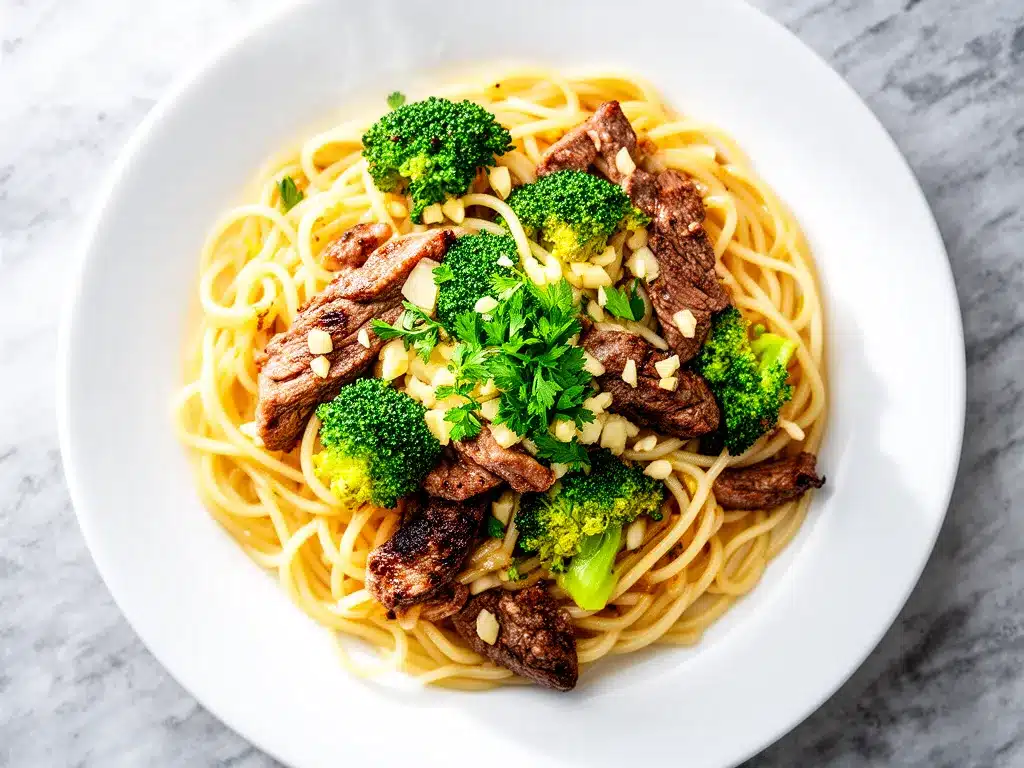
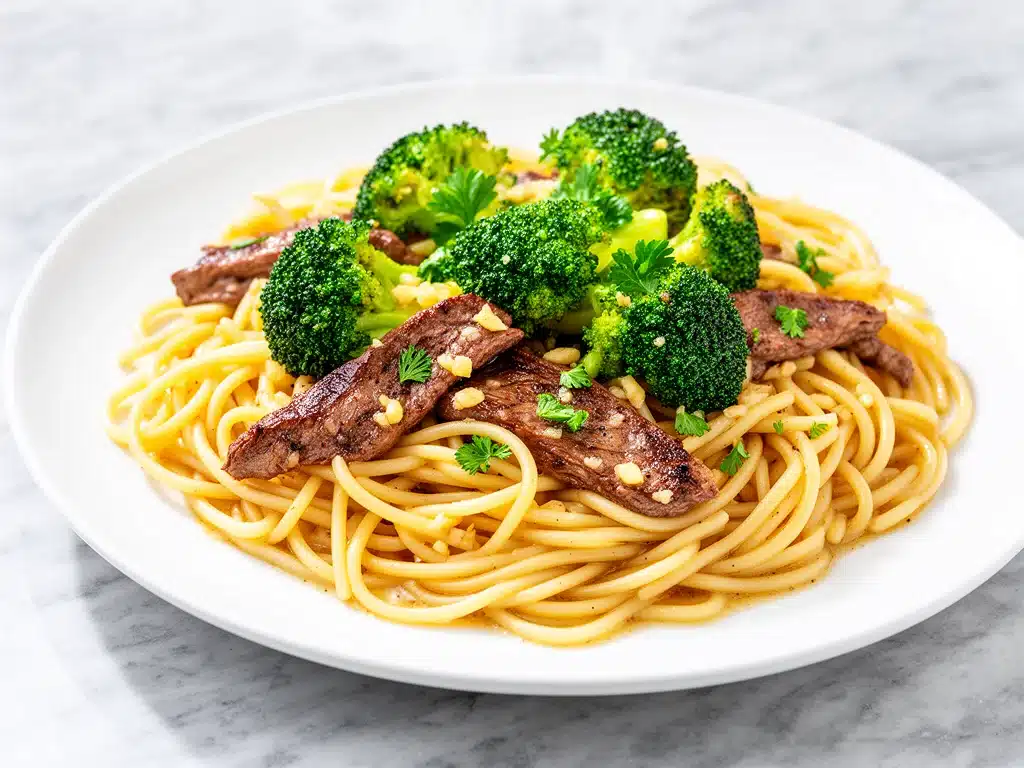
Unsalted butter (3 tablespoons) — This is what makes it special. Most stir-fries use oil, but butter adds this incredible richness. Use good quality butter if you can. It melts into the sauce and creates that luxurious mouthfeel.
Soy sauce (3 tablespoons) — I use low-sodium soy sauce so I can control the saltiness. Regular soy sauce works, but you might need to reduce the added salt later. Look for a good brand like Kikkoman or Yamasa.
Oyster sauce (2 tablespoons) — This adds depth and umami that soy sauce alone can’t achieve. It’s a staple in Chinese cooking. If you can’t find it, you can substitute with more soy sauce plus a teaspoon of sugar, but oyster sauce is worth the trip to the Asian aisle.
Honey or brown sugar (1 tablespoon) — Just a touch of sweetness to balance the salt and garlic. Honey blends in smoother, but brown sugar adds a nice caramel note. I usually use honey because I have it on hand.
Chicken broth (½ cup / 120ml) — This thins out the sauce so it’s pourable and not just a thick paste. Low-sodium is best so you don’t over-salt the dish.
Sesame oil (1 teaspoon) — A little goes a long way. This adds that nutty aroma that screams “Chinese takeout.” Add it at the very end of cooking to preserve the flavor.
For the Noodles
Lo mein or egg noodles (8 ounces / 225g) — I prefer lo mein noodles because they’re chewy and hold up well to the sauce. Spaghetti works in a pinch, but lo mein has the right texture. Fresh noodles are great, but dried works perfectly too.
Green onions (2 stalks, sliced) — For garnish and a fresh crunch. Use both the white and green parts. The white parts go in early for flavor, the green parts go on top at the end for color.
Sesame seeds (1 tablespoon, optional) — Toasted sesame seeds add a nice crunch and visual appeal. I buy them pre-toasted for convenience, but toasting them yourself in a dry pan for 2 minutes is easy and worth it.
Equipment Needed
You don’t need fancy equipment for this. Here’s what I actually use. Most of this is stuff you already have in your kitchen.
Large skillet or wok — I use a 12-inch cast iron skillet because it holds heat well. A wok is traditional and great for high-heat cooking, but a large skillet works just as well. You need enough surface area to sear the beef without steaming it.
Large pot — For boiling the noodles. A standard 6-quart pot works fine. Make sure it’s big enough to let the noodles move around freely.
Sharp knife — For slicing the beef and chopping the garlic. Dull knives make you cry more—literally and figuratively. Learn to sharpen your knives. It makes all the difference.
Microplane or fine grater — For the ginger and garlic. A microplane makes mincing garlic and grating ginger almost effortless. If you don’t have one, a regular grater works, but it takes more effort.
Small bowl — For mixing the sauce. Having the sauce pre-mixed before you start cooking is crucial because stir-fries move fast. You don’t want to be measuring ingredients while your beef is burning.
Tongs or spatula — For tossing the noodles and beef. I use tongs for the noodles because they’re slippery, and a spatula for the beef.
Measuring cups and spoons — Pretty standard stuff. Dollar store versions work fine. Accuracy matters here, especially with the cornstarch and soy sauce.
Colander — For draining the noodles. Or just use the lid to drain—I do this when I’m lazy, but a colander is easier.
How to Make It: Step-by-Step
Alright, let’s make this! I’m walking you through exactly how I do it, including the little tricks I’ve picked up. Follow these steps, and you’ll have a restaurant-quality meal in no time.
Step 1: Prep Your Beef (5 minutes)
Take your flank steak out of the fridge and let it come to room temperature for about 10 minutes. This helps it cook evenly. Slice it against the grain into thin strips. “Against the grain” means you cut perpendicular to the direction of the muscle fibers. This shortens the fibers and makes the beef tender. If you cut with the grain, it’ll be chewy and tough. Trust me on this.
Toss the sliced beef in a bowl with 1 tablespoon of cornstarch. Coat it evenly. This creates a protective layer that keeps the juices in and helps it sear nicely. Set it aside while you prep the veggies.
Step 2: Cook the Noodles (10 minutes)
Bring a large pot of salted water to a boil. The water should taste like the ocean. Add the noodles and cook according to package directions until al dente (usually 8-10 minutes for dried lo mein). IMPORTANT: Before draining, reserve ½ cup of the starchy pasta water. This liquid gold is key to getting the sauce consistency right. Drain the noodles and rinse them under cold water to stop the cooking. Toss with a tiny bit of sesame oil to prevent sticking. Set aside.
Step 3: Make the Sauce (2 minutes)
While the noodles cook, whisk together the soy sauce, oyster sauce, honey, chicken broth, and remaining 1 teaspoon of cornstarch in a small bowl. Whisk until the cornstarch is completely dissolved. It should look smooth and slightly thickened. Set aside. You’ll add this later.
Step 4: Sear the Beef (3-4 minutes)
Heat a large skillet or wok over high heat. Add 1 tablespoon of neutral oil (like canola or vegetable). Once the oil is shimmering and just starting to smoke, add the beef in a single layer. Don’t crowd the pan! If your skillet is small, cook in batches. Crowding the pan steams the beef instead of searing it, and you want a nice brown crust. Let it sit undisturbed for 1-2 minutes, then flip and cook for another minute. Remove the beef from the pan and set aside on a plate. Don’t clean the pan—those brown bits are flavor.
Step 5: Cook the Broccoli and Aromatics (3-4 minutes)
In the same skillet, add the butter. Once it melts and foams, add the broccoli florets. Stir-fry for 2-3 minutes until they’re bright green and tender-crisp. Add the minced garlic and grated ginger. Cook for 30 seconds, stirring constantly. The garlic should smell amazing but not brown—browned garlic tastes bitter. If the pan looks dry, add a splash of water to help steam the broccoli slightly.
Step 6: Combine and Sauce (2 minutes)
Return the cooked beef to the pan with the broccoli. Pour in the sauce mixture. Stir everything together. The sauce will thicken almost immediately due to the cornstarch. Add the cooked noodles to the pan. Toss everything together until the noodles are evenly coated in the glossy sauce. If the sauce is too thick, add the reserved pasta water a tablespoon at a time. If it’s too thin, let it simmer for another minute. The goal is a sauce that clings to every noodle and piece of beef.
Step 7: Finish and Serve
Remove from heat. Drizzle with the sesame oil and toss once more. Garnish with sliced green onions and toasted sesame seeds. Serve immediately while hot. The noodles will continue to absorb the sauce, so don’t let it sit too long before eating.
Total Time: About 20 minutes (10 minutes active, 10 minutes mostly hands-off)
Expert Tips & Tricks
Here’s everything I’ve learned from making this dozens of times. These tips will save you from my mistakes and guarantee success.
Slice Against the Grain
This is the #1 tip for tender beef. Look at the direction the muscle fibers run on your steak. Cut perpendicular to that direction. It’s like cutting a rope into short segments instead of long strands. It makes a huge difference in texture. I’ve served chewy beef to guests before and never lived it down. Don’t make that mistake.
Don’t Crowd the Pan
When searing the beef, give it space. If you pile it on, the temperature drops, and the beef steams in its own juices. You want a sear, not a steam. Cook in batches if your skillet isn’t huge. It takes an extra minute, but the flavor is worth it.
Pre-Mix Your Sauce
Stir-fries move fast. You don’t have time to measure ingredients while your garlic is burning. Whisk the sauce beforehand and have it ready to go. This is called mise en place, and it’s the secret to every professional kitchen.
Use Starchy Pasta Water
That reserved noodle water isn’t just for dilution. The starch helps emulsify the sauce, making it glossy and helping it stick to the noodles. It’s a small detail that elevates the dish from good to great.
High Heat is Key
Keep your heat high throughout the cooking process. You want a quick sear and a fast cook. Low heat makes the vegetables soggy and the beef tough. If your stove doesn’t get hot enough, preheat the pan for 5 minutes before adding oil.
Add Butter at the End
While I add some butter at the start for flavor, adding a extra knob of cold butter at the very end and swirling it in creates a restaurant-quality finish. It makes the sauce shiny and rich. It’s the “magic” step.
Variations & Substitutions
Once you’ve nailed the basic version, here’s how you can mix it up. I’ve tried all of these, and they all work.
Protein Swaps
Chicken Thighs — Boneless, skinless chicken thighs work great. Slice them into strips and cook them like the beef. They’re juicier than breast meat. Chicken Caesar Wraps are another great way to use up leftover chicken, but for this dish, thighs are the way to go.
Shrimp — Peel and devein large shrimp. Cook them for just 2-3 minutes. They cook fast, so add them at the very end with the noodles. Be careful not to overcook them or they’ll get rubbery.
Tofu — For a vegetarian version, use extra-firm tofu. Press it first, cube it, and pan-fry until crispy. It soaks up the sauce beautifully.
Veggie Add-Ins
Carrots — Julienne carrots and add them with the broccoli. They add sweetness and color.
Bell Peppers — Sliced red or green bell peppers add crunch and a fresh flavor. Add them with the broccoli.
Mushrooms — Sliced button or shiitake mushrooms add earthiness. Sauté them with the broccoli.
Sauce Tweaks
Spicy Version — Add 1 teaspoon of chili garlic sauce or sriracha to the sauce. If you like heat, this is a must.
Less Sodium — Use low-sodium soy sauce and reduce the oyster sauce to 1 tablespoon. You can add a pinch of salt at the end if needed.
Noodle Alternatives
Rice Noodles — Rice noodles work well but are more delicate. Handle them gently when tossing.
Zucchini Noodles — For a low-carb option, use zucchini noodles. Sauté them briefly so they don’t get mushy. It’s not the same, but it works if you’re watching carbs.
Serving & Storage
Here’s how to enjoy this dish and keep it fresh.
How to Serve
I usually serve this straight from the skillet at the dinner table—it looks rustic and stays warm. But here are other ways I’ve enjoyed it:
- Garlic Bread — Obviously. You need something to soak up the extra sauce.
- Simple Green Salad — A light salad with a vinegar dressing cuts through the richness of the dish.
- Steamed Rice — If you’re not having noodles, serve it over jasmine rice. It’s a classic combo.
Toppings Bar
When I have guests, I put out: extra green onions, red pepper flakes, toasted sesame seeds, and lime wedges. Everyone customizes their bowl. It’s fun and interactive.
Storage Instructions
Refrigerator: Store in an airtight container for up to 3 days. The noodles will absorb more sauce in the fridge, so they might look dry. That’s normal.
Reheating: Best method: Add a splash of water or broth to a skillet, add your leftover noodles, and heat gently over medium heat, stirring frequently. The liquid rehydrates the noodles and loosens the sauce. Microwave works too, but add a splash of water first and heat in 30-second intervals, stirring between. Never microwave it dry—it’ll turn into a brick.
Freezing: Honestly, this doesn’t freeze well. The noodles get mushy when thawed, and the beef can become tough. Make it fresh or store in the fridge for up to 3 days. I’ve tried freezing it, and it’s just not worth it.
Meal Prep: Make the sauce ahead and store in the fridge. Cook the beef and veggies fresh each night. Cook noodles fresh or reheat them properly. This saves time during the week.
Nutrition Information
I’m not a nutritionist, but here’s the breakdown if you’re tracking. This is per serving, based on 4 servings.
| Nutrient | Amount |
|---|---|
| Calories | 450 |
| Protein | 25g |
| Carbs | 48g |
| Fiber | 3g |
| Sugar | 8g |
| Fat | 18g |
| Sodium | 800mg |
What’s Good: High in protein from the beef and noodles. Decent fiber from the broccoli. It’s a balanced meal.
What to Know: Higher in sodium due to soy sauce and oyster sauce. Use low-sodium versions to reduce this. Contains gluten from the noodles and soy sauce. Contains dairy from the butter.
My Take: Look, this is comfort food. It’s not a diet recipe. But it’s way better than takeout, costs less, and I know exactly what’s in it. When I want to make it lighter, I use less butter and more veggies. But usually? I just eat a reasonable portion and enjoy it.
Final Thoughts
So that’s my Garlic Butter Beef and Broccoli Noodles! I’ve probably talked your ear off at this point, but when you make a recipe this often, you have a lot to say about it. This has saved weeknight dinners more times than I can count. It’s my answer to “what’s for dinner” when I’m tired, don’t want takeout, and still want something that tastes really good. My kids are happy, my husband’s happy, and I’m happy because I’m not stressed about cooking.
Make it yours! Try different add-ins, swap in your favorite vegetables, adjust the garlic (though more is always better in my opinion). The best recipes are the ones you adapt to your family’s tastes. If you make this, drop a comment and let me know what you think! I love hearing how recipes turn out in your kitchen. And if something doesn’t work, tell me that too—I’m here to help troubleshoot.
Happy cooking! And I hope your kitchen smells half as good as mine does right now.
Frequently Asked Questions
Can I use flank steak frozen?
Yes, but you need to thaw it completely first. Cooking frozen beef will steam it instead of searing it, and you won’t get that nice crust. I usually thaw it in the fridge overnight. If you’re in a hurry, you can thaw it in a bowl of cold water for 30 minutes. Never cook it straight from the freezer.
Why did my sauce turn out watery?
Usually, this means you didn’t let the sauce simmer long enough after adding the cornstarch. Cornstarch needs a few minutes of heat to activate and thicken. Let it bubble gently for 2-3 minutes. Also, make sure you’re not adding too much pasta water at the end. Add it a tablespoon at a time and check the consistency.
Can I make this ahead for a dinner party?
Sort of. You can prep the beef, chop the veggies, and mix the sauce ahead of time. Store them in separate containers in the fridge. When you’re ready to cook, just follow the steps. Cook the noodles fresh right before serving (takes 10 minutes). Reheat the beef and veggies, combine, and serve. It won’t be quite as good as fresh, but it’s close and saves you stress during the party.
Why did my beef turn out tough?
Two reasons: either you didn’t slice it against the grain, or you overcooked it. Flank steak cooks very fast. Once it’s browned on both sides, it’s done. If you leave it in the pan too long, it gets tough. Also, the cornstarch coating helps keep it tender, so make sure you’re using that step.
Can I use spaghetti instead of lo mein?
You can, but the texture will be different. Lo mein noodles are thicker and chewier, which holds up better to the heavy sauce. Spaghetti is thinner and can get soggy faster. If you use spaghetti, cook it al dente and don’t let it sit in the sauce for too long before serving. Egg noodles are a closer substitute if you can’t find lo mein.
How do I reheat leftovers without it getting dry?
Add a splash of water or broth to a skillet, add your leftover noodles, and heat gently over low heat, stirring frequently. The extra liquid brings back the creamy texture. Microwave sort of works but tends to dry it out. If you do microwave, definitely add a splash of water first and heat in short bursts, stirring between. This keeps the noodles soft and the sauce glossy.
Can I double this recipe?
Absolutely! Double everything and use your biggest pot and skillet. The cooking times stay the same. I do this when I’m meal-prepping or feeding a crowd. Just make sure your skillet is big enough for the sauce—you might need to cook the beef in two batches to avoid crowding. Crowding is the enemy of a good sear.
Pin This Recipe!
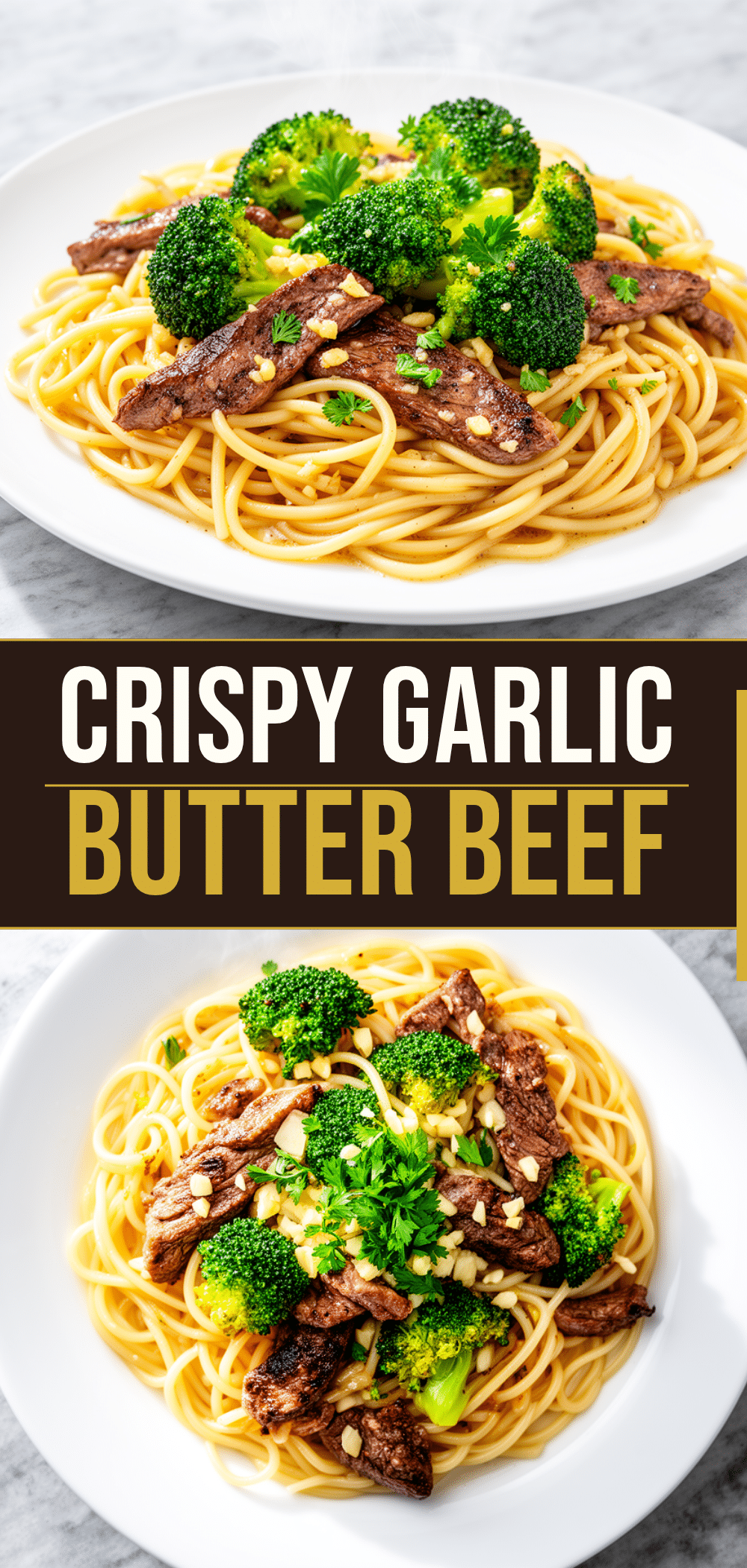
Garlic Butter Beef and Broccoli Noodles
- Total Time: 20 minutes
- Yield: 4 servings 1x
Description
A quick, 20-minute weeknight dinner featuring tender flank steak, crisp broccoli, and chewy noodles tossed in a rich, garlicky butter sauce. This family favorite is easier than takeout and delivers restaurant-quality flavor.
Ingredients
- 1 pound flank steak or skirt steak, sliced against the grain into thin strips
- 3 cups broccoli florets
- 6–8 cloves garlic, minced
- 1 tablespoon fresh ginger, grated
- 1 tablespoon cornstarch (divided)
- 3 tablespoons unsalted butter
- 3 tablespoons low-sodium soy sauce
- 2 tablespoons oyster sauce
- 1 tablespoon honey or brown sugar
- 1/2 cup chicken broth
- 1 teaspoon sesame oil (plus more for tossing noodles)
- 8 ounces lo mein or egg noodles
- 2 stalks green onions, sliced
- 1 tablespoon toasted sesame seeds (optional)
- 1 tablespoon neutral oil (for searing beef)
Instructions
- Slice the flank steak against the grain into thin strips. Toss with 1 tablespoon of cornstarch to coat evenly and set aside.
- Bring a large pot of salted water to a boil. Cook noodles according to package directions until al dente. Reserve 1/2 cup of starchy pasta water, then drain noodles and rinse under cold water. Toss with a little sesame oil to prevent sticking.
- In a small bowl, whisk together soy sauce, oyster sauce, honey, chicken broth, and remaining 1 teaspoon of cornstarch until smooth.
- Heat a large skillet or wok over high heat with 1 tablespoon of neutral oil. Once shimmering, add beef in a single layer (cook in batches if necessary). Sear for 1-2 minutes per side until browned, then remove and set aside.
- In the same skillet, melt 3 tablespoons of butter. Add broccoli and stir-fry for 2-3 minutes until tender-crisp. Add garlic and ginger, cooking for 30 seconds until fragrant.
- Return beef to the pan. Pour in the sauce mixture and stir. The sauce will thicken quickly. Add cooked noodles and toss to coat evenly. If too thick, add reserved pasta water a tablespoon at a time.
- Remove from heat, drizzle with 1 teaspoon sesame oil, and toss. Garnish with green onions and sesame seeds. Serve immediately.
Notes
Slice beef against the grain for tenderness. Do not crowd the pan when searing beef to ensure a good crust. Pre-mix the sauce before cooking as stir-fries move quickly. Use starchy pasta water to help emulsify the sauce. This dish does not freeze well; store leftovers in the fridge for up to 3 days.
- Prep Time: 10 minutes
- Cook Time: 10 minutes
- Category: Main Course
- Cuisine: Chinese-American
Nutrition
- Serving Size: 1/4 of the recipe
- Calories: 450
- Sugar: 8
- Sodium: 800
- Fat: 18
- Saturated Fat: 8
- Carbohydrates: 48
- Fiber: 3
- Protein: 25
Keywords: garlic butter beef, broccoli noodles, weeknight dinner, stir fry, flank steak, quick meals, family favorite, takeout alternative