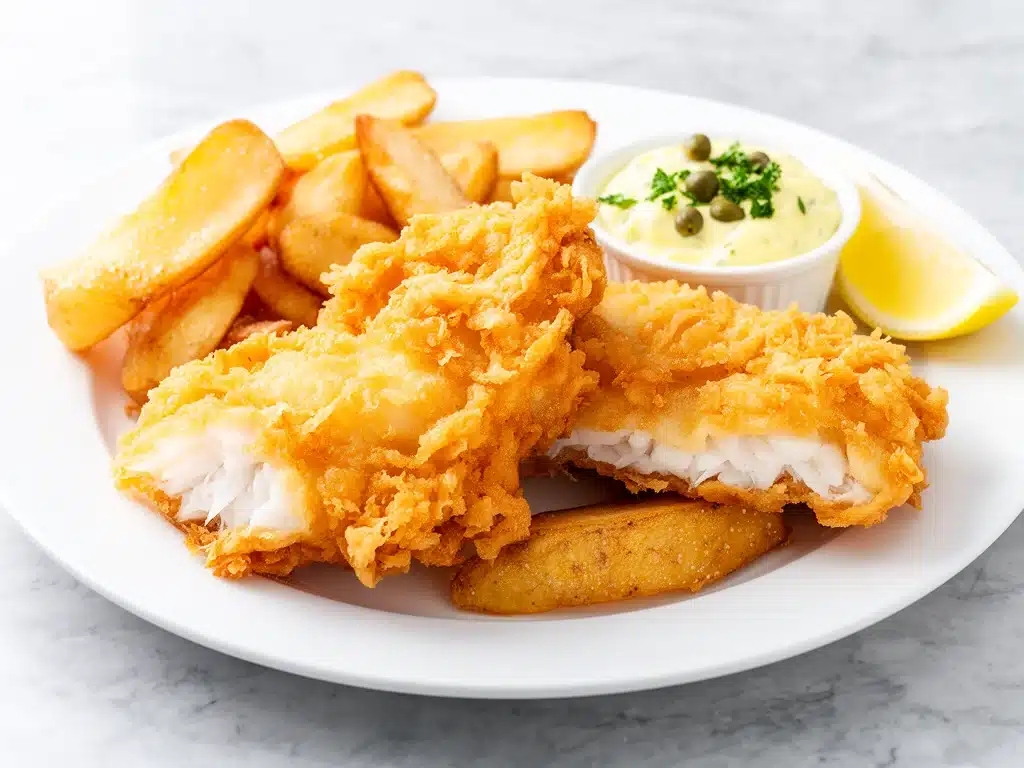
I still remember the first time I made fish and chips at home. It was a rainy Tuesday in November, the kind of night where the wind howls against the windows and you just want to stay under the covers. My husband, a self-proclaimed seafood skeptic, had mentioned in passing that he missed the fried fish from that little shack by the harbor. I thought, “Easy. I’ll whip something up.”
What I delivered was… well, let’s just say it was moist. The kind of moist that makes you wonder if the fish is actually fish or just a very confused piece of chicken. The batter was soggy, the chips were limp, and the whole thing felt like a betrayal of the name. He ate it politely. I cried quietly in the kitchen.
But here’s the thing: I didn’t give up. I’ve made this Crispy Beer-Battered Fish and Chips recipe at least thirty times since that rainy Tuesday. I’ve tested different flours, different beers, different oils, and different cuts of fish. I’ve burned garlic (again), I’ve overcooked the batter, and I’ve under-salted the potatoes. But after all those mistakes, I’ve finally cracked the code.
Now, when I make this, the house smells like a seaside pub in London. The batter shatters when you bite into it—it’s not just crispy, it’s *glassy* crispy. The fish inside is flaky, tender, and completely opaque. And the fries? Golden, salty, and perfect for dipping in tartar sauce. It’s the kind of meal that makes you forget about takeout forever. Seriously, I’ve made this so many times that my kids now ask for “restaurant night” when they want this specific dish.
This isn’t just dinner. It’s a comfort food masterpiece. And once you try it, you’ll understand why I’m obsessed.
Why You’ll Love This Recipe
There are a lot of reasons to make this Crispy Beer-Battered Fish and Chips at home, but they all boil down to one thing: it just works. Better than takeout, better than frozen, and infinitely better than my first attempt.
- Actually Crispy Batter — Most recipes give you a doughy coating. This one uses carbonation and temperature control to create a lacy, crunchy shell that stays crisp even after you plate it. I’ve tested this with cold beer, room-temp beer, and even sparkling water. Cold beer wins every time.
- Restaurant-Quality Fries — These aren’t just thick-cut potatoes. They’re double-fried to perfection. The first fry cooks them through, the second fry crisps them up. It’s a technique that sounds fancy but is actually super simple. My husband thinks I’m a genius when I serve these.
- Simple Ingredients — You don’t need fancy seafood or exotic spices. Just white fish, flour, beer, potatoes, and oil. If you can buy these at any grocery store, you can make this. It’s pantry-friendly in the best way.
- Impresses Everyone — I’ve served this to my foodie friends, my picky kids, and my date-night group. Everyone asks for the recipe. It feels fancy but takes less effort than ordering delivery. Plus, you know exactly what’s in it.
- Perfect for Date Night — When you want to feel like you went out but stay in, this is the move. Pair it with a nice white wine and some good music, and you’ve got a night to remember. It’s better than chicken Caesar wraps for a special occasion, though those are great for lunch too!
This recipe has saved our weeknight dinners more times than I can count. It’s my answer to “what’s for dinner” when I’m tired but still want something that tastes like a treat. No complicated techniques, no weird ingredients, just reliable, delicious food that makes everyone happy.
Ingredients You’ll Need
Here’s the best part: you probably have most of this already. I’m particular about three ingredients here, and I’ll tell you exactly why. Don’t skip the details—they matter.
For the Fish
White Fish Fillets (1.5 pounds / 700g) — I use cod or haddock. They’re firm enough to hold the batter but flaky enough to melt in your mouth. Avoid soft fish like tilapia for frying—it falls apart. Look for fresh, sustainable options if you can.
Beer (1 cup / 240ml) — Any light lager or pilsner works. I love using a crisp, cold lager because the carbonation creates bubbles in the batter. Dark beers make the batter heavy and bitter. Keep it cold until the last second.
All-Purpose Flour (1 cup / 120g) — This is your base. Don’t try to substitute with whole wheat—it gets dense. All-purpose gives you that light, airy crunch.
Baking Powder (1 teaspoon) — This is the secret weapon. It reacts with the beer to create extra lift. Don’t skip it. It’s what makes the batter puffy instead of flat.
Salt and Black Pepper (to taste) — Season the fish itself, not just the batter. It adds flavor from the inside out.
For the Fries
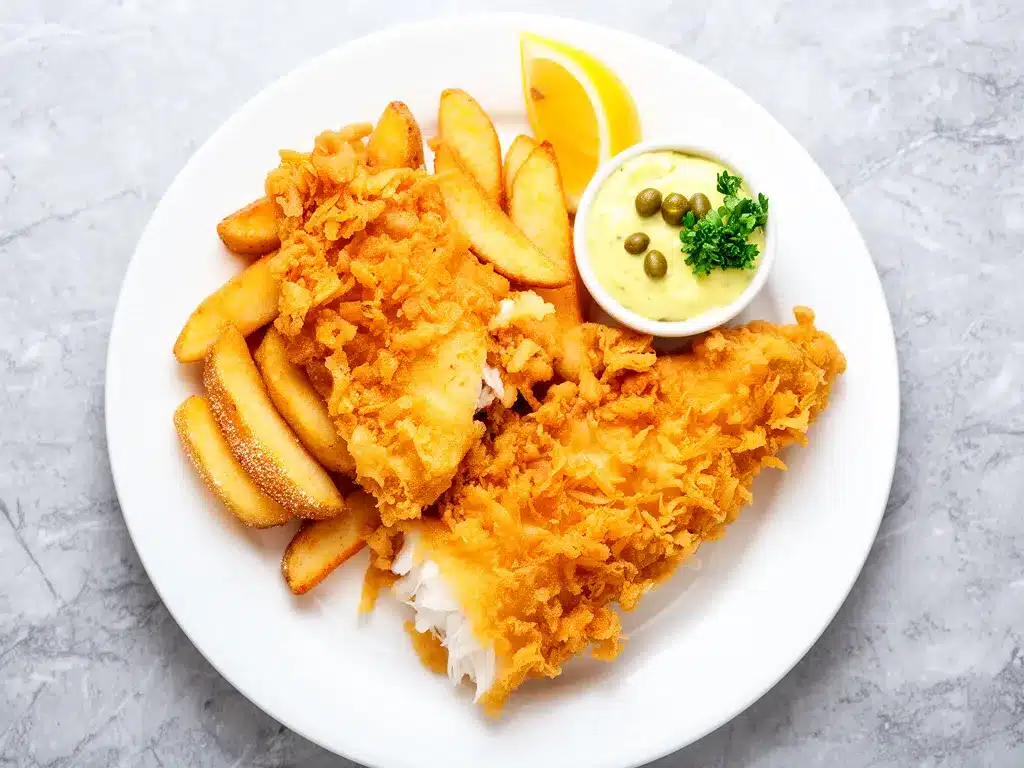
Russet Potatoes (3 large / about 1.5 kg) — Russets are high-starch, which means fluffy inside and crispy outside. Waxy potatoes like Yukon Golds don’t get as crispy. Trust me on this.
Vegetable or Canola Oil (for frying) — You need an oil with a high smoke point. Olive oil will burn. I use vegetable oil because it’s neutral and cheap. You’ll need about 2-3 cups for deep frying.
Sea Salt (for finishing) — Flaky sea salt on top of the fries is non-negotiable. It adds texture and that professional finish.
For the Tartar Sauce
Mayonnaise (½ cup / 120g) — Use good quality mayo. Hellmann’s or Duke’s works well. Don’t use light mayo—it’s too watery.
Relish (2 tablespoons) — Sweet or dill, your choice. I like sweet for a classic taste.
Lemon Juice (1 tablespoon) — Brightens up the sauce. Fresh squeezed is best.
Dill (fresh or dried) (1 teaspoon) — Adds that herby freshness. Fresh is better, but dried works in a pinch.
Garlic Powder (½ teaspoon) — Just a pinch. It adds depth without being overpowering.
Pro Tip: I keep a jar of homemade tartar sauce in the fridge. It lasts for weeks and makes any meal feel special. If you’re looking for quick snacks, this sauce is also great with mozzarella pizza pockets or even as a dip for french toast sticks if you’re feeling adventurous!
Equipment Needed
You don’t need fancy equipment for this. Here’s what I actually use.
Large Dutch Oven or Deep Fryer — I use a 6-quart Dutch oven. It holds heat well and is deep enough to prevent splatter. If you don’t have one, a heavy-bottomed pot works too. Avoid thin pans—they lose heat too fast.
Candy Thermometer — This is crucial. You need to keep your oil at 350°F (175°C). Guessing doesn’t work. I use a cheap clip-on thermometer from the dollar store, and it works perfectly.
Wire Rack and Baking Sheet — To drain the fried fish and chips. Paper towels work, but a rack prevents sogginess. I line the baking sheet with foil for easy cleanup.
Whisk — For mixing the batter. A whisk incorporates air better than a spoon.
Slotted Spoon or Spider Strainer — For lowering the fish and potatoes into the oil and removing them. A regular spoon might not drain well.
Sharp Knife and Cutting Board — For cutting the potatoes into even strips. Even cuts cook evenly. Uneven cuts mean some are burnt while others are raw.
Large Bowl — For the batter. Make sure it’s big enough to dip the fish easily.
Paper Towels — For blotting excess oil. Not strictly necessary if you use a rack, but good to have.
How to Make It: Step-by-Step
Alright, let’s make this! I’m walking you through exactly how I do it, including the little tricks I’ve picked up over thirty tries.
Step 1: Prep the Potatoes (15 minutes)
Peel the russet potatoes and cut them into thick strips, about ½ inch wide. Try to keep them even so they cook uniformly. Soak them in cold water for 10 minutes to remove excess starch. This step is key for crispy fries. Drain and pat them completely dry with paper towels. Wet potatoes = oily splatters and soggy fries.
Step 2: First Fry (10 minutes)
Heat oil in your Dutch oven to 325°F (160°C). Carefully add the potatoes in batches. Don’t overcrowd the pot, or the temperature will drop. Fry for 5-6 minutes until they are soft but not brown. They should look pale yellow. Remove with a slotted spoon and drain on a wire rack. Let them cool completely. This first fry cooks the inside.
Step 3: Second Fry (5 minutes)
Turn up the heat to 375°F (190°C). Once the oil is hot, fry the potatoes again for 2-3 minutes until golden brown and crispy. Remove and drain. Sprinkle with sea salt immediately while they’re hot. Set aside.
Step 4: Make the Batter (5 minutes)
In a large bowl, whisk together flour, baking powder, salt, and pepper. In a separate container, mix the cold beer. Pour the beer into the flour mixture all at once. Whisk gently until just combined. It should be lumpy—that’s good! Overmixing makes the batter tough. Keep the batter cold until you’re ready to use it.
Step 5: Fry the Fish (5-8 minutes)
Pat the fish fillets dry. Season with salt and pepper. Dip each fillet into the batter, letting excess drip off. Carefully lower into the oil (350°F/175°C). Fry for 3-4 minutes per side, depending on thickness. The batter should be golden brown and crispy. The fish is done when it flakes easily with a fork and reaches an internal temperature of 145°F (63°C). Remove and drain on the wire rack.
Step 6: Make the Tartar Sauce (5 minutes)
In a small bowl, mix mayonnaise, relish, lemon juice, dill, and garlic powder. Taste and adjust seasoning. Add more lemon if you want it tangier. Refrigerate until serving.
Step 7: Serve
Plate the fish and chips. Squeeze fresh lemon over the fish. Serve immediately with tartar sauce on the side. Eat while hot. The batter loses its crunch if it sits too long.
Total Time: About 45 minutes (15 minutes prep, 30 minutes cooking)
Expert Tips & Tricks
Here’s everything I’ve learned from making this dozens of times. These tips will save you from my mistakes.
Keep Everything Cold
The beer, the bowl, the fish. Cold ingredients create steam when they hit hot oil, which creates bubbles in the batter. This is what makes it light and crispy. If your beer is warm, your batter will be dense. I keep my beer in the freezer for 10 minutes before starting.
Don’t Overcrowd the Pan
When frying fish or chips, give them space. If you put too many in at once, the oil temperature drops, and the food absorbs oil instead of crisping up. Fry in batches. It takes longer, but the result is worth it.
Double Fry the Potatoes
This is the secret to restaurant fries. The first fry cooks them through, the second fry crisps them. If you skip the first fry, you’ll get burnt outside and raw inside. Trust the process.
Use a Thermometer
Guessing oil temperature is how you get greasy food. A thermometer costs $5 and saves you from ruining the meal. Keep it between 350°F and 375°F.
Season Immediately
Salt the fries the moment they come out of the oil. If you wait, the salt won’t stick. Season the fish before frying, not after.
Common Mistakes (and how to avoid them)
Mistake: Batter is soggy. Fix: Oil wasn’t hot enough, or batter was overmixed. Check your thermometer and keep the batter lumpy.
Mistake: Fish is greasy. Fix: Overcrowding the pan. Fry in smaller batches.
Mistake: Fries are brown but soft. Fix: Didn’t dry them enough before frying, or didn’t double fry. Pat them dry and do the second fry at higher heat.
Variations & Substitutions
Once you’ve nailed the basic version, here’s how you can mix it up. I’ve tried all of these.
Gluten-Free Option
Use gluten-free flour blend for the batter. It works surprisingly well, though the texture might be slightly different. For the fries, they’re naturally gluten-free. Just make sure your beer is gluten-free if you’re celiac (many lagers are).
Baked Version (Lighter)
I won’t lie—baked fish and chips aren’t the same. But if you want to cut calories, brush the battered fish with oil and bake at 400°F for 15-20 minutes. The fries can be baked too, tossed with oil and baked at 425°F for 30 minutes, flipping halfway. They won’t be as crispy, but they’re healthier.
Different Fish
Cod is classic, but haddock, pollock, or even snapper work well. Avoid oily fish like salmon or mackerel—they have strong flavors that clash with the light batter.
Spicy Kick
Add cayenne pepper or paprika to the batter. Or mix hot sauce into the tartar sauce. For my friends who like heat, I add a dash of sriracha to the mayo.
Herb Infused Batter
Add chopped parsley or chives to the batter for a fresh flavor. It looks pretty and tastes great.
Serving & Storage
How to Serve:
I usually serve this straight from the skillet at the dinner table—it looks rustic and stays warm. But here are other ways I’ve enjoyed it:
Side Dishes:
- Coleslaw (classic pairing)
- Steamed broccoli with lemon
- Simple green salad with vinaigrette
- Mushy peas (if you’re feeling British)
Wine Pairing:
Not a wine expert, but my wine-snob friend says a crisp Pinot Grigio or a dry Sauvignon Blanc works great. The acidity cuts through the richness of the fried food.
Storage Instructions:
Refrigerator:
Store leftovers in an airtight container for up to 2 days. The batter will soften, unfortunately. This is the nature of fried food.
Reheating:
Best method: Oven or air fryer. Reheat at 400°F for 5-7 minutes. This restores some crispiness. Microwave? Avoid it. It makes the batter rubbery and the fish tough.
Freezing:
You can freeze the raw battered fish for up to 1 month. Freeze the fries after the first fry, then freeze. To cook, fry from frozen, adding a minute or two to the cook time. Do not freeze cooked fish—it gets dry and sad.
Pro Tip:
If you’re meal-prepping, make the tartar sauce ahead. It actually tastes better after sitting for a day. The flavors meld together.
Nutrition Information
I’m not a nutritionist, but here’s the breakdown if you’re tracking. Keep in mind, this is a rich meal, so portion control is key.
Per Serving (based on 4 servings):
- Calories: 650
- Protein: 35g
- Carbs: 55g
- Fiber: 3g
- Sugar: 2g
- Fat: 35g
- Saturated Fat: 5g
- Cholesterol: 90mg
- Sodium: 600mg
What’s Good:
- High protein from the fish
- Wholesome potatoes provide energy
- Can be made lighter with baked version
What to Know:
- High in calories due to frying
- Contains gluten and dairy (in tartar sauce)
- High sodium (use low-sodium beer and control salt)
My Take:
Look, this is comfort food. It’s fried. It’s not a salad. But it’s better than takeout, costs less, and I know exactly what’s in it. When I want to make it lighter, I bake it and use less oil. But usually? I just eat a reasonable portion and enjoy it. Life’s too short for boring food.
Final Thoughts
So that’s my go-to Crispy Beer-Battered Fish and Chips! I’ve probably talked your ear off at this point, but when you make a recipe this often, you have a lot to say about it.
This has saved weeknight dinners more times than I can count. It’s my answer to “what’s for dinner” when I’m tired, don’t want takeout, and still want something that tastes really good. My kids are happy, my husband’s happy, and I’m happy because I’m not stressed about cooking.
Make it yours! Try different beers, swap in your favorite fish, adjust the spices. The best recipes are the ones you adapt to your family’s tastes. If you make this, drop a comment and let me know what you think! I love hearing how recipes turn out in your kitchen. And if something doesn’t work, tell me that too—I’m here to help troubleshoot.
Happy cooking! And I hope your kitchen smells half as good as mine does right now.
Frequently Asked Questions
Can I use a different beer?
Yes, but stick to light lagers or pilsners. Dark beers like stouts or porters will make the batter bitter and heavy. Wheat beers can work but might be too yeasty. I’ve tried IPA—it was too bitter. Stick to crisp, cold lagers for the best result.
Why did my batter stick to the fish?
Usually means the fish was too wet. Pat it dry with paper towels before dipping. Also, make sure your batter isn’t too thin. It should coat the back of a spoon. If it’s runny, add a bit more flour.
Can I make this ahead for a dinner party?
Sort of. You can prep the potatoes and make the tartar sauce ahead. Fry the potatoes partially (first fry) and store in the fridge. Fry the fish fresh right before serving. Frying fish ahead makes it soggy. I do this all the time to manage stress.
Why did my fries turn out soggy?
Most likely you didn’t dry them enough before frying, or you didn’t double fry. Wet potatoes steam instead of fry. Also, make sure your oil temperature is correct. If it’s too low, they absorb oil. If it’s too high, they burn outside before cooking inside.
Can I use frozen fish?
You can, but thaw it completely and pat it very dry. Frozen fish often has more moisture, which can affect the batter. Fresh fish is always better for this recipe. If you must use frozen, press it with paper towels to remove as much water as possible.
How do I reheat leftovers without it getting dry?
Use an oven or air fryer. Reheat at 400°F for 5-7 minutes. This restores some crispiness. Avoid the microwave—it makes the batter rubbery and the fish tough. If you must microwave, do it for short bursts and let it rest.
Can I double this recipe?
Absolutely! Double everything and use your biggest pot. The cooking times stay the same. I do this when I’m feeding a crowd. Just make sure your oil doesn’t get overcrowded. Fry in batches.
Pin This Recipe!
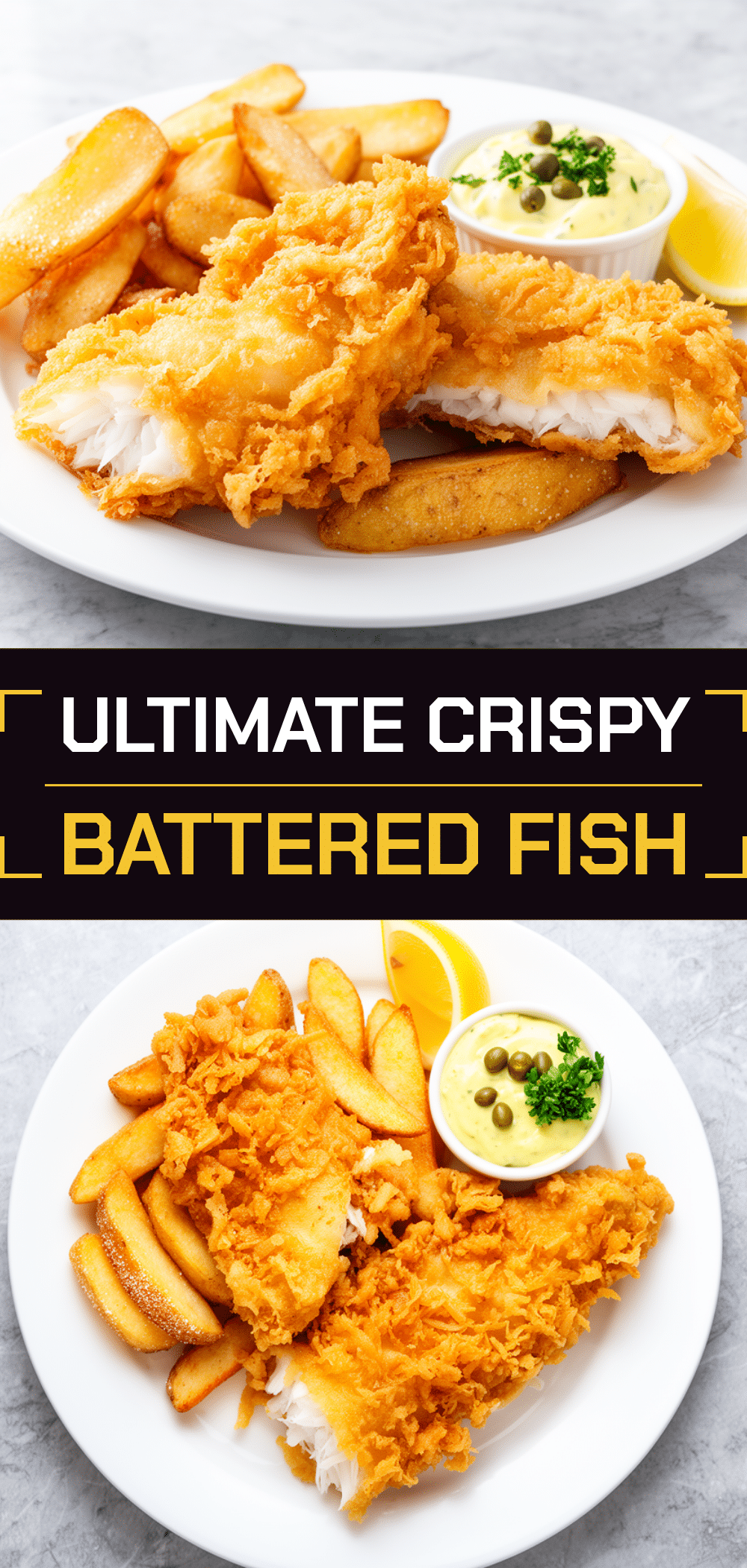
Crispy Beer-Battered Fish and Chips: Easy Homemade Recipe
- Total Time: 45 minutes
- Yield: 4 servings 1x
Description
A perfected recipe for crispy, glassy beer-battered fish and double-fried golden fries, delivering restaurant-quality results at home with simple ingredients.
Ingredients
- 1.5 pounds (700g) white fish fillets (cod or haddock)
- 1 cup (240ml) cold light lager or pilsner beer
- 1 cup (120g) all-purpose flour
- 1 teaspoon baking powder
- Salt and black pepper (to taste)
- 3 large Russet potatoes (about 1.5 kg)
- Vegetable or Canola oil (for deep frying)
- Sea salt (for finishing)
- 1/2 cup (120g) mayonnaise
- 2 tablespoons relish
- 1 tablespoon lemon juice
- 1 teaspoon dill (fresh or dried)
- 1/2 teaspoon garlic powder
Instructions
- Peel and cut potatoes into 1/2 inch thick strips. Soak in cold water for 10 minutes, then drain and pat completely dry.
- Heat oil in a Dutch oven to 325°F (160°C). Fry potatoes in batches for 5-6 minutes until soft but not brown. Remove and drain on a wire rack to cool completely.
- Increase oil temperature to 375°F (190°C). Fry the cooled potatoes again for 2-3 minutes until golden brown and crispy. Remove, drain, and sprinkle with sea salt immediately.
- In a large bowl, whisk together flour, baking powder, salt, and pepper. Pour in cold beer and whisk gently until just combined (lumpy batter is good). Keep batter cold.
- Pat fish fillets dry and season with salt and pepper. Dip fillets into the batter, letting excess drip off.
- Fry fish in oil at 350°F (175°C) for 3-4 minutes per side until golden brown and crispy. Ensure internal temperature reaches 145°F (63°C). Drain on a wire rack.
- Mix mayonnaise, relish, lemon juice, dill, and garlic powder to make tartar sauce. Refrigerate until serving.
- Serve fish and chips immediately with tartar sauce and a squeeze of fresh lemon.
Notes
Keep all batter ingredients cold to ensure crispiness. Do not overcrowd the pan when frying to maintain oil temperature. Double-frying the potatoes is essential for a crispy exterior and fluffy interior. Avoid microwaving leftovers as it makes the batter rubbery; reheat in an oven or air fryer at 400°F.
- Prep Time: 15 minutes
- Cook Time: 30 minutes
- Category: Main Course
- Cuisine: British
Nutrition
- Serving Size: 1 fillet and a porti
- Calories: 650
- Sugar: 2
- Sodium: 600
- Fat: 35
- Saturated Fat: 5
- Carbohydrates: 55
- Fiber: 3
- Protein: 35
Keywords: fish and chips, beer battered fish, crispy fries, homemade fish and chips, comfort food, date night dinner, fried fish, double fried potatoes