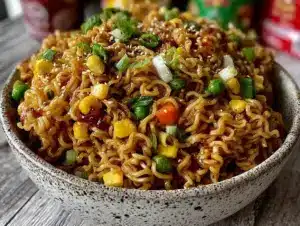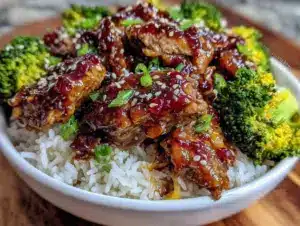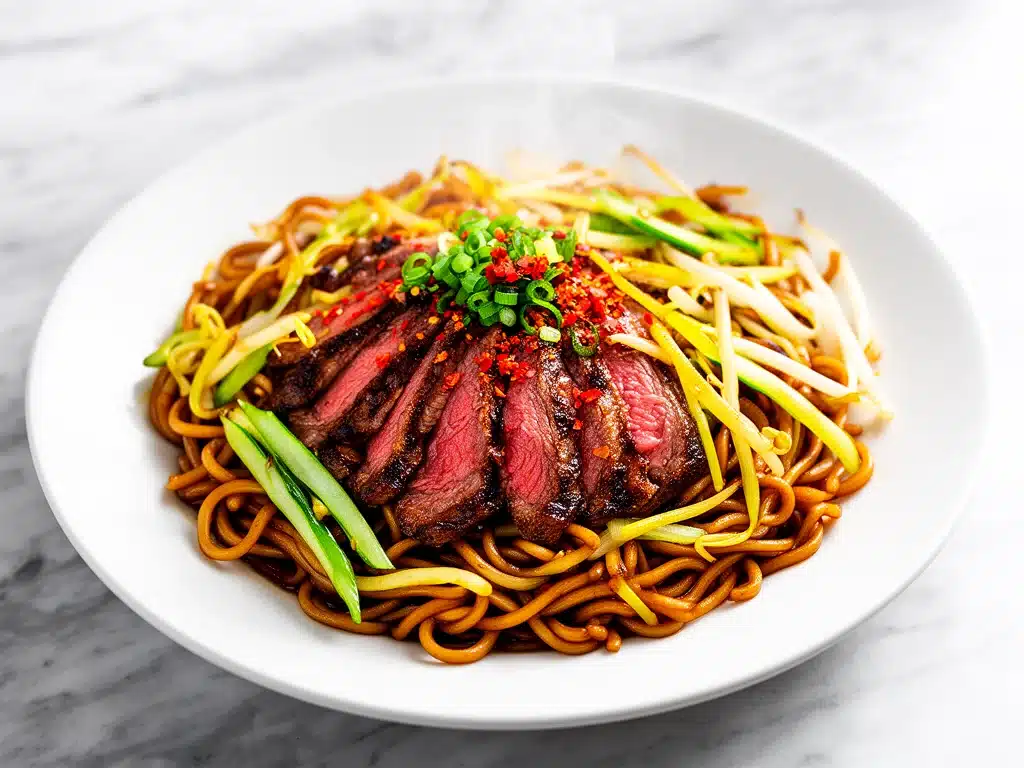
I have a confession to make. Last Thursday, it was 7:30 PM, I had just walked through the door after a long day of work, and my stomach was growling loud enough to wake the neighbors. The logical choice? Order from that favorite takeout spot down the street. You know the one—the one where the noodles are usually a little soggy by the time the driver arrives, and the beef is surprisingly thin and chewy.
But then I caught a glimpse of the leftover pork loin in the fridge and a package of yakisoba noodles sitting next to the milk. Something clicked. I didn’t want to wait 45 minutes for delivery. I didn’t want to pay $18 for a plastic container of mediocre food. I wanted something hot, fast, and actually delicious.
So I fired up the wok, threw together a quick sauce, and made a batch of homemade Japanese beef yakisoba noodles. Twenty minutes later, I was sitting at the table with a bowl so fragrant and flavorful that my partner peeked into the kitchen and asked if I’d secretly become a chef. It wasn’t secret. It was just better ingredients, better technique, and a whole lot more control over the flavor.
That night changed my weeknight routine. I’ve made this Japanese beef yakisoba recipe at least six times since then. It’s become my go-to answer for “what’s for dinner?” when I’m tired but refuse to settle for average. And honestly? It’s so good that I don’t even miss the takeout anymore. If you’re tired of soggy, overpriced noodle bowls, this is the recipe that will change your mind.
Why You’ll Love This Homemade Yakisoba
There are about ten reasons I keep coming back to this Japanese beef yakisoba noodles recipe, but here are the big ones that keep it in our regular rotation.
Lightning Fast — Seriously, from chopping veggies to plating, it takes about 20 minutes. That’s faster than waiting on hold for a delivery app. I make this on weeknights when I get home at 7 PM and need dinner on the table before the kids start asking if we’re ordering pizza.
Actually Crispy Noodles — You know how takeout yakisoba noodles get soft and clumpy within an hour? Not this version. By stir-frying the noodles fresh in the wok, they stay slightly chewy and absorb the sauce without turning into mush. The texture is night and day.
Real Beef Flavor — Takeout often uses thin, processed beef strips. Here, I use sirloin or flank steak, sliced against the grain and seared hard. You get actual beef flavor, not just soy sauce flavor with meat bits.
Vegetable-Packed — This recipe is a great way to sneak in veggies. I load it with cabbage, carrots, and onions. It feels hearty and healthy, but tastes like comfort food. My kids don’t even realize they’re eating vegetables because the sauce is so good.
Budget-Smart — Feeds 4 people for under $15. That’s less than a single large delivery order with tip. Plus, you’re using ingredients you probably already have or can grab quickly.
This is my go-to when I need dinner to just work. No complicated techniques, no weird ingredients, just reliable, delicious food that makes everyone happy. It’s the kind of meal that leaves you full, satisfied, and ready for the evening.
Ingredients You’ll Need
Here’s the best part: you probably have most of this already in your pantry. The beauty of yakisoba is how simple the components are, but how they come together to create something complex and savory.
For the Noodles & Protein
Yakisoba Noodles (2 packages / 400g) — Look for the dried wheat noodles specifically labeled “yakisoba noodles.” They are different from ramen or udon. They’re thinner, flatter, and have a unique chew. I always use Maruchan or Sapporo Ichiban brands. If you can’t find them, thin spaghetti broken in half is a backup, but the texture won’t be the same.
Beef (1 pound / 450g) — Sirloin or flank steak works best. You want something that sears well. Slice it thin—about 1/4 inch thick—against the grain. This is crucial for tender bites. Chuck roast works too if you want something cheaper, but it takes longer to cook.
Vegetable Oil (2 tablespoons) — For frying the beef and veggies. Canola or avocado oil works fine. I use whatever is in my pantry.
For the Veggies
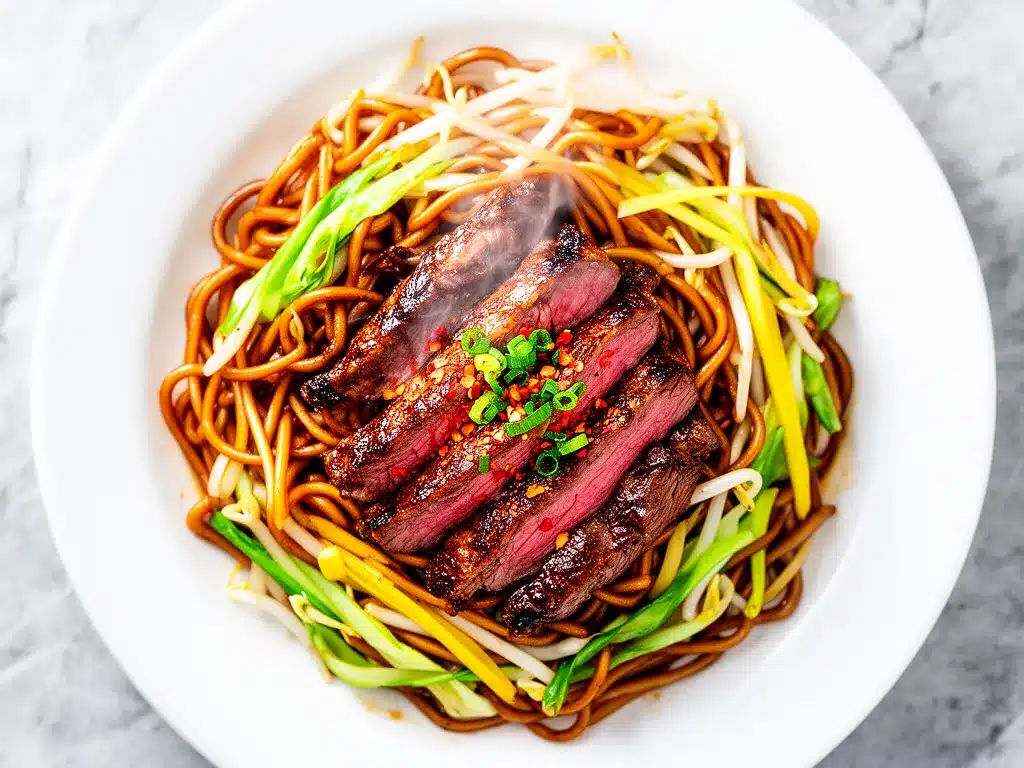
Cabbage (3 cups / about 300g, shredded) — Green cabbage is traditional. Shred it thinly. You want it to wilt into the noodles, not stay crunchy. Napa cabbage works too and is slightly sweeter.
Carrots (2 medium, julienned or grated) — Adds sweetness and color. I grate mine for faster cooking, but julienne if you prefer texture.
Onion (1 large, sliced) — Yellow or white onion. Yellow is sweeter and caramelizes nicely. White is sharper. Either works.
Bell Pepper (1 large, sliced) — Green or red. Red is sweeter, green is more bitter. I use red for color, but green is traditional.
For the Yakisoba Sauce
Soy Sauce (1/4 cup / 60ml) — Use regular soy sauce, not low-sodium, unless you’re watching salt. The sauce needs that salty punch. Kikkoman is my go-to.
Oyster Sauce (2 tablespoons / 30ml) — This is the secret ingredient. It adds that deep, umami richness that makes yakisoba taste like takeout. Don’t skip it. If you’re vegetarian, use vegetarian oyster sauce or mushroom sauce.
Worcestershire Sauce (1 tablespoon / 15ml) — Adds complexity and tang. It’s a classic in many Asian stir-fries.
Rice Vinegar (1 tablespoon / 15ml) — Brightens up the heavy sauce. If you don’t have it, white vinegar works in a pinch.
Sesame Oil (1 teaspoon) — Toasted sesame oil. Adds that nutty aroma. Don’t use raw sesame oil here; it’s too mild.
Brown Sugar (1 tablespoon / 15g) — Balances the saltiness. Just a little bit. You don’t want it sweet, just rounded.
Garlic (4 cloves, minced) — Fresh garlic is non-negotiable. Jarred garlic just doesn’t have the same punch. Mince it finely so it distributes evenly.
Ginger (1 teaspoon, grated) — Fresh ginger is best. Grate it on a microplane. It adds a warm, spicy note that cuts through the richness.
Chicken Broth (1/4 cup / 60ml) — Thins out the sauce slightly and adds depth. Water works too, but broth is better.
Equipment Needed
You don’t need fancy equipment for this. Here’s what I actually use.
Wok or Large Skillet — A 14-inch wok is ideal because the curved sides let you toss the noodles easily. I use a carbon steel wok. If you don’t have one, a large non-stick skillet or cast-iron pan works too. Just make sure it’s big enough to hold all the noodles without crowding.
Colander — For rinsing and draining the noodles. A simple mesh colander is fine.
Sharp Knife — For slicing the beef and veggies. A dull knife makes slicing tough meat dangerous. I learned this the hard way with a sliced finger.
Cutting Board — Any size works. I use a large plastic one for easy cleanup.
Measuring Spoons — For the sauce. Accuracy matters here for balance.
Chopsticks or Tongs — For tossing the noodles. Chopsticks give you better control, but tongs work fine.
Small Bowl — For mixing the sauce. Having the sauce pre-mixed means you don’t have to guess while cooking.
How to Make It: Step-by-Step
Alright, let’s make this! I’m walking you through exactly how I do it, including the little tricks I’ve picked up over the years.
Step 1: Prep the Beef
Pat the beef dry with paper towels. Moisture is the enemy of a good sear. Slice it against the grain into thin strips. This cuts the muscle fibers, making the beef tender. If you slice with the grain, it’ll be chewy and tough. Season lightly with salt and pepper. Set aside.
Step 2: Cook the Noodles
Boil the yakisoba noodles according to package directions. Usually, this is 3-4 minutes. They should be tender but still firm (al dente). Drain them and immediately rinse under cold water. This stops the cooking and washes off excess starch, preventing them from clumping. Toss with a tiny bit of oil to keep them separate. Set aside.
Step 3: Make the Sauce
In a small bowl, whisk together the soy sauce, oyster sauce, Worcestershire sauce, rice vinegar, sesame oil, brown sugar, minced garlic, grated ginger, and chicken broth. Stir until the sugar is dissolved. Taste it—it should be savory, slightly sweet, and salty. Adjust if needed. Set aside.
Step 4: Sear the Beef
Heat your wok or skillet over high heat until it’s almost smoking. Add 1 tablespoon of vegetable oil. Add the beef in a single layer. Don’t crowd the pan! If you have a small skillet, cook in batches. Sear for 1-2 minutes per side until browned. You want a crust, not gray meat. Remove the beef from the pan and set aside on a plate. Leave any rendered fat in the pan.
Step 5: Stir-Fry the Veggies
Add the remaining 1 tablespoon of oil to the pan. Add the onions and carrots first—they take longer to cook. Stir-fry for 2 minutes. Then add the cabbage and bell peppers. Cook for another 2-3 minutes until the veggies are tender-crisp. They should be bright and slightly softened, not mushy.
Step 6: Combine Everything
Add the cooked noodles and the seared beef back into the pan with the veggies. Pour the sauce over everything. Using chopsticks or tongs, toss everything together vigorously. The goal is to coat every noodle and distribute the beef and veggies evenly. Cook for 1-2 minutes, letting the sauce reduce slightly and cling to the noodles. The noodles should look glossy and dark.
Step 7: Serve
Serve immediately. Top with pickled ginger (beni shoga) and green onions if you have them. These are traditional garnishes that add freshness and crunch. Enjoy hot!
Total Time: About 20 minutes (10 minutes active, 10 minutes mostly hands-off)
Built-in Troubleshooting
Noodles sticking together? You didn’t rinse them enough after boiling, or they sat too long before cooking. Rinsing with cold water is key.
Sauce too salty? Your soy sauce might be very salty. Use less soy sauce and more broth. Always taste the sauce before adding it.
Beef tough? You sliced with the grain or cooked it too long. Slice against the grain and sear quickly.
Expert Tips & Tricks
Here’s everything I’ve learned from making this dozens of times. These tips will save you from my mistakes.
Don’t Skip the Cold Rinse
This is the #1 tip for perfect yakisoba noodles. Rinsing them in cold water stops the cooking and removes starch. If you skip this, your noodles will turn into a sticky, gummy mess in the wok. I rinse them under cold water for a full minute to be sure.
High Heat is Your Friend
Stir-frying requires high heat. If your pan isn’t hot enough, the veggies will steam instead of fry. Get that wok smoking hot before adding oil. This creates the “wok hei” breath of fire flavor that takeout places try to replicate.
Prep Everything First
Yakisoba cooks fast. Once you start, there’s no time to chop onions. Have all your veggies sliced, beef sliced, and sauce mixed before you turn on the stove. This is called *mise en place*, and it’s essential for stir-fries.
Use a Heavy Pan
A thin pan loses heat quickly when you add cold veggies and noodles. A heavy wok or cast-iron skillet retains heat, ensuring your food keeps cooking even after you add ingredients.
Toast Your Sesame Oil
Make sure you’re using toasted sesame oil, not raw. Toasted has a deep, nutty aroma that defines yakisoba. A little goes a long way. Add it to the sauce, not the pan, to preserve its flavor.
Don’t Overcrowd the Pan
If you’re cooking for a crowd, cook in batches. Overcrowding lowers the pan temperature, leading to steamed, soggy noodles. Better to cook twice than serve once mediocre batch.
Variations & Substitutions
Once you’ve nailed the basic version, here’s how you can mix it up. I’ve tried all of these.
Pork Yakisoba
Swap the beef for thinly sliced pork belly or pork loin. Pork is traditional in many Japanese yakisoba recipes. It’s fattier and richer. I love it with applesauce on the side.
Chicken Yakisoba
Use chicken thighs, diced small. Chicken cooks faster than beef, so add it later in the process. It’s a lighter option.
Seafood Yakisoba
Add shrimp, squid, or scallops. Add them in the last 2 minutes of cooking. They cook very quickly and can become rubbery if overcooked.
Vegetarian Yakisoba
Skip the meat. Use extra veggies like mushrooms, zucchini, and bean sprouts. Swap oyster sauce for vegetarian oyster sauce or mushroom sauce. Add tofu for protein. It’s just as satisfying.
Spicy Yakisoba
Add a tablespoon of chili crisp or sriracha to the sauce. Top with chili flakes. For heat lovers, this is a game-changer.
Dietary Modifications:
Gluten-Free
Use gluten-free yakisoba noodles (available online or in Asian markets). Swap soy sauce for tamari. Oyster sauce is usually gluten-free, but check the label.
Low-Carb
Use shirataki noodles or zucchini noodles. Reduce the sauce slightly since shirataki noodles don’t absorb as much liquid. It’s not traditional, but it works.
Serving & Storage
How to Serve:
I usually serve this straight from the wok at the dinner table. It looks rustic and stays warm. But here are other ways I’ve enjoyed it:
Side Dishes:
- Miso Soup — Classic Japanese pairing. Simple and warming.
- Edamame — Sprinkle with salt. Easy finger food.
- Cucumber Salad — Vinegared cucumber salad cuts the richness of the noodles.
- Steamed Rice — Some people like to eat yakisoba with rice on the side.
Toppings Bar:
When I have guests, I put out: pickled ginger, chopped green onions, sesame seeds, chili oil, and maybe some nori strips. Everyone customizes their bowl.
Storage Instructions:
Refrigerator:
Store in an airtight container for up to 3 days. The noodles will absorb more sauce and get softer. This is normal. Some people actually prefer the softer texture the next day.
Reheating:
Best method: Add a splash of water or broth to a skillet, add your leftover yakisoba, and heat gently over medium heat, stirring frequently. The steam will rehydrate the noodles and loosen the sauce.
Microwave method: Heat in 30-second intervals, stirring between. Add a splash of water. It works, but the texture won’t be as good as stovetop.
Freezing:
Honestly, this doesn’t freeze well. The noodles become mushy when thawed, and the veggies lose their crunch. Make it fresh or store in the fridge for up to 3 days.
Pro tip: If leftovers are drying out, stir in a teaspoon of butter or sesame oil when reheating. Brings back that glossy texture.
Nutrition Information
I’m not a nutritionist, but here’s the breakdown if you’re tracking.
Per Serving (based on 4 servings):
- Calories: 450
- Protein: 25g
- Carbs: 55g
- Fiber: 3g
- Sugar: 6g
- Fat: 14g
- Saturated Fat: 4g
- Cholesterol: 60mg
- Sodium: 900mg
What’s Good:
- Decent protein from beef
- Vegetables add fiber and vitamins
- More filling than it looks
What to Know:
- Higher in sodium from soy sauce
- Contains gluten
- Moderate calories
My Take:
Look, this is comfort food. It’s not a diet recipe. But it’s way better than takeout, costs less, and I know exactly what’s in it. When I want to make it lighter, I use less oil, more veggies, and leaner beef. But usually? I just eat a reasonable portion and enjoy it.
Final Thoughts
So that’s my go-to Japanese beef yakisoba noodles recipe! I’ve probably talked your ear off at this point, but when you make a recipe this often, you have a lot to say about it.
This has saved weeknight dinners more times than I can count. It’s my answer to “what’s for dinner” when I’m tired, don’t want takeout, and still want something that tastes really good. My kids are happy, my husband’s happy, and I’m happy because I’m not stressed about cooking.
Make it yours! Try different add-ins, swap in your favorite vegetables, adjust the spice level. The best recipes are the ones you adapt to your family’s tastes. If you’re looking for other quick weeknight meals, check out our chicken Caesar wraps for a lighter option, or our mozzarella pizza pockets for a fun snack.
If you make this, drop a comment and let me know what you think! I love hearing how recipes turn out in your kitchen. And if something doesn’t work, tell me that too—I’m here to help troubleshoot.
Happy cooking! And I hope your kitchen smells half as good as mine does right now.
Frequently Asked Questions
Can I use ramen noodles instead of yakisoba noodles?
You can, but the texture will be different. Ramen noodles are usually thinner and more delicate. Yakisoba noodles are thicker and chewier. If you use ramen, cook them for less time and be careful not to overcook them. They’ll break apart more easily. For the most authentic experience, stick with yakisoba noodles.
Why is my yakisoba sauce too salty?
Soy sauce and oyster sauce are both very salty. If your sauce is too salty, add a little more water or broth to dilute it. You can also add a pinch of sugar to balance the saltiness. Always taste the sauce before adding it to the pan. You can adjust it then.
Can I make this ahead for a dinner party?
Sort of. You can prep the veggies and slice the beef ahead of time. Store them in separate containers in the fridge. Mix the sauce and store it too. But cook the noodles and stir-fry everything fresh right before serving. Yakisoba tastes best hot and fresh. Pre-cooked noodles get soggy.
What is the best cut of beef for yakisoba?
Sirloin or flank steak are the best choices. They’re tender enough to cook quickly but flavorful. Sirloin is leaner, while flank steak has more beefy flavor. Slice against the grain for maximum tenderness. Avoid tough cuts like chuck unless you’re braising them first.
Can I use vegetarian oyster sauce?
Yes! Vegetarian oyster sauce is made from mushrooms and has a similar umami flavor. It’s a great substitute for those who don’t eat oysters. It works perfectly in this recipe. Just check the label to ensure it’s gluten-free if you need that.
How do I reheat leftovers without it getting dry?
Add a splash of water or broth to a skillet, add your leftover yakisoba, and heat gently over medium heat, stirring frequently. The steam will rehydrate the noodles and loosen the sauce. The microwave works too, but add water and heat in short bursts, stirring in between.
Can I double this recipe?
Absolutely! Double everything and use your biggest wok or skillet. The cooking times stay the same. I do this when I’m meal-prepping or feeding a crowd. Just make sure your pan is big enough for the sauce—you might need to cook in batches to avoid crowding.
Pin This Recipe!
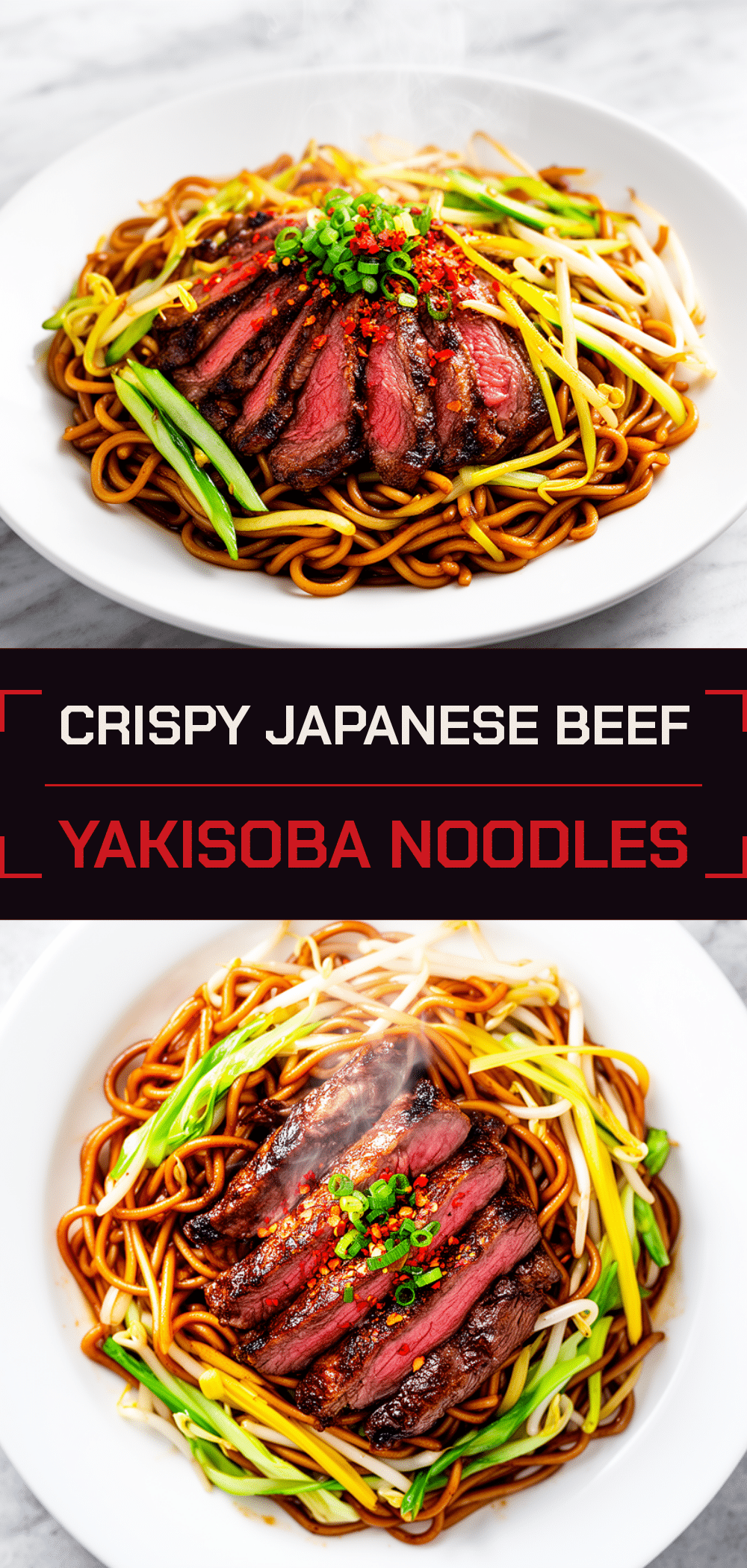
Japanese Beef Yakisoba Noodles: Easy Homemade Meal
- Total Time: 20 minutes
- Yield: 4 servings 1x
Description
A quick, 20-minute homemade Japanese beef yakisoba recipe that delivers takeout-quality flavor with better ingredients and texture. This stir-fry features seared sirloin, crisp vegetables, and a savory sauce, served over chewy yakisoba noodles.
Ingredients
- 2 packages (400g) dried yakisoba noodles
- 1 pound (450g) sirloin or flank steak, sliced thin against the grain
- 2 tablespoons vegetable oil (divided)
- 3 cups shredded green cabbage
- 2 medium carrots, julienned or grated
- 1 large onion, sliced
- 1 large bell pepper, sliced
- 1/4 cup (60ml) soy sauce
- 2 tablespoons (30ml) oyster sauce
- 1 tablespoon (15ml) Worcestershire sauce
- 1 tablespoon (15ml) rice vinegar
- 1 teaspoon toasted sesame oil
- 1 tablespoon (15g) brown sugar
- 4 cloves garlic, minced
- 1 teaspoon fresh ginger, grated
- 1/4 cup (60ml) chicken broth
- Salt and pepper to taste
Instructions
- Pat the beef dry and slice it against the grain into thin strips. Season lightly with salt and pepper.
- Boil yakisoba noodles according to package directions (usually 3-4 minutes) until al dente. Drain and immediately rinse under cold water to stop cooking and remove starch. Toss with a tiny bit of oil to prevent clumping.
- In a small bowl, whisk together soy sauce, oyster sauce, Worcestershire sauce, rice vinegar, sesame oil, brown sugar, garlic, ginger, and chicken broth until the sugar is dissolved.
- Heat a wok or large skillet over high heat until almost smoking. Add 1 tablespoon of vegetable oil. Sear the beef in a single layer for 1-2 minutes per side until browned. Remove beef and set aside.
- Add the remaining 1 tablespoon of oil to the pan. Stir-fry onions and carrots for 2 minutes. Add cabbage and bell peppers, cooking for another 2-3 minutes until tender-crisp.
- Return the cooked noodles and seared beef to the pan. Pour the sauce over everything and toss vigorously for 1-2 minutes until noodles are glossy and coated.
- Serve immediately, topped with pickled ginger and green onions if desired.
Notes
Slice beef against the grain for tenderness. Rinse noodles in cold water to prevent sticking. Use high heat for proper stir-frying. Do not overcrowd the pan. For gluten-free, use tamari and gluten-free noodles. For vegetarian, swap beef for tofu and oyster sauce for mushroom sauce.
- Prep Time: 10 minutes
- Cook Time: 10 minutes
- Category: Main Course
- Cuisine: Japanese
Nutrition
- Serving Size: 1 bowl
- Calories: 450
- Sugar: 6
- Sodium: 900
- Fat: 14
- Saturated Fat: 4
- Carbohydrates: 55
- Fiber: 3
- Protein: 25
Keywords: Japanese beef yakisoba, homemade yakisoba, quick weeknight dinner, stir fry noodles, easy beef recipe, Asian noodles, 20 minute meals