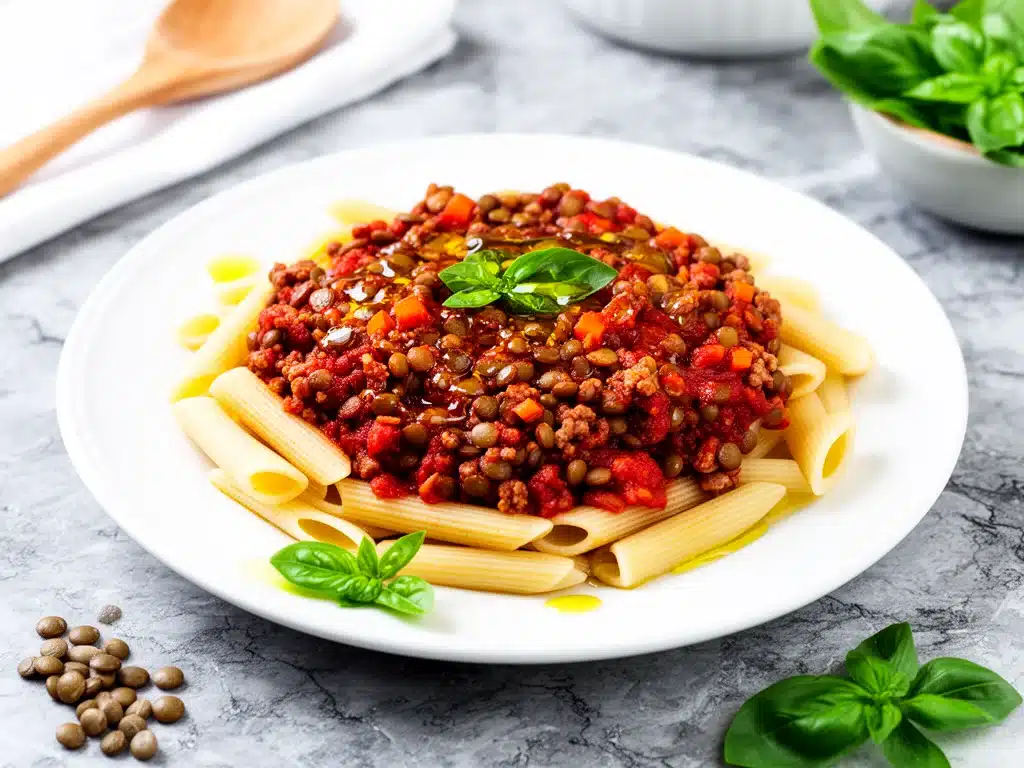
Three years ago, I was standing in my kitchen at 6:30 PM, staring into the abyss of my refrigerator. My partner had just mentioned, casually, that he was craving his mom’s famous Sunday bolognese. Now, I love my partner, but I am not a traditional Italian grandmother, and I definitely don’t have hours to simmer a meat sauce. I also don’t eat meat, a fact I’ve been trying to communicate to my partner’s family for about a decade with varying degrees of success.
I had a bag of dried brown lentils sitting on the counter, a can of crushed tomatoes that was slowly turning into a science experiment, and a half-empty jar of spices that smelled like it might have been from 2019. I thought, what if I just throw this all in a pot? I wasn’t aiming for culinary perfection. I was aiming for “edible dinner before midnight.”
Thirty minutes later, the smell that filled our apartment wasn’t just “okay.” It was incredible. Rich, savory, earthy, and deeply comforting. When we tasted it, my partner didn’t even realize it was vegan at first. He just kept going back for seconds, mumbling something about how I needed to make this every week. That was the moment I knew I had struck gold. This vegan lentil bolognese isn’t just a substitute for meat sauce; it’s a standalone masterpiece that happens to be healthier, faster, and way more affordable than the original.
I’ve tested this recipe over 20 times since that night. I’ve tweaked the spice blends, experimented with different lentil varieties, and even tried hiding zucchini in it (which my kids loved, but I still prefer the pure lentil version). The result is this: a rich, hearty, plant-based pasta sauce that tastes like it simmered all day, but actually takes just 30 minutes from start to finish. If you’re looking for a way to get more vegetables into your diet without sacrificing the deep, savory comfort of a classic Italian dinner, you need to make this pasta. It’s become the backbone of our weeknight meals, and I have a feeling it will become yours too.
Why You’ll Love This Vegan Lentil Bolognese
There are a million reasons to keep this vegan lentil bolognese in your regular rotation, but let’s be real—some reasons are more compelling than others. Here is why this recipe has completely taken over my kitchen (and probably will take over yours).
- It’s Stupidly Simple — Seriously, if you can chop an onion and open a can of tomatoes, you can make this. I’ve walked my teenage niece through it over FaceTime while she was home sick. There are no tricky techniques, no fancy equipment, and no stress. It’s just dump, simmer, and serve.
- Lightning Fast — Most bolognese recipes call for hours of simmering to develop flavor. This one uses dried brown or green lentils, which cook down beautifully in about 20 minutes. From chopping your first carrot to plating the pasta, it’s 30 minutes flat. That is weeknight-dinner-speed.
- Pantry-Friendly — You probably have 90% of these ingredients already. Lentils, canned tomatoes, onion, garlic, carrots, celery, and basic spices. I keep a stash of lentils in my pantry specifically for nights when I don’t know what to cook. It’s my emergency dinner plan.
- Hidden Veggie Victory — I’ve served this to my meat-eating friends, my vegetarian sister, and my picky eater nephew. Everyone loves it. The lentils provide that satisfying “meaty” texture, while the carrots and celery add natural sweetness. It’s an easy way to sneak in nutrients without anyone complaining about “eating vegetables.”
- Makes Amazing Leftovers — And here is the best part: this sauce actually tastes better the next day. The flavors meld together overnight, becoming richer and deeper. I deliberately make a double batch on Sunday so I can have lazy lunches all week. It’s perfect over pasta, but also amazing in baked pasta dishes or even as a topping for baked potatoes.
- Budget-Smart — Feeds 4-6 people for under $12. Lentils are one of the cheapest proteins on the planet, and pasta is dirt cheap. This is significantly less expensive than ordering takeout or even buying a frozen meal. It’s comfort food that doesn’t break the bank.
This recipe has saved me from takeout fatigue more times than I can count. It’s my answer to “what’s for dinner” when I’m tired, broke, and just want something that tastes like home. No complicated techniques, no weird superfood ingredients you can’t pronounce, just reliable, delicious food that makes everyone happy.
Ingredients You’ll Need
Here’s the best part: you probably have most of this already. This vegan lentil bolognese relies on simple, wholesome ingredients that work together to create a complex, savory flavor profile. I’m particular about a few things here, so let’s break down what you need and why.
For the Base
Yellow onion (1 medium, diced / about 150g) — The foundation of flavor. I use yellow onions for their sweetness when cooked down. White onions are too sharp, and red onions change the color. Yellow is the way to go.
Carrot (1 large, finely diced / about 120g) — Don’t skip this! The carrot adds natural sweetness that balances the acidity of the tomatoes. I dice it really small so it melts into the sauce, but you can leave it chunkier if you prefer texture.
CELERY (2 stalks, finely diced / about 100g) — This is part of the classic “soffritto” base (onion, carrot, celery). It adds that earthy, savory depth that makes Italian food taste like Italian food.
Garlic (4 cloves, minced / about 2 tablespoons) — Fresh garlic is non-negotiable here. Jarred garlic has a metallic aftertaste that really shows up in a simple sauce like this. Mince it yourself. It takes two minutes.
Extra virgin olive oil (2 tablespoons) — I use olive oil instead of butter. It adds a fruity, rich base that pairs perfectly with the tomatoes. Use a good quality oil if you can—it makes a difference.
For the Flavor
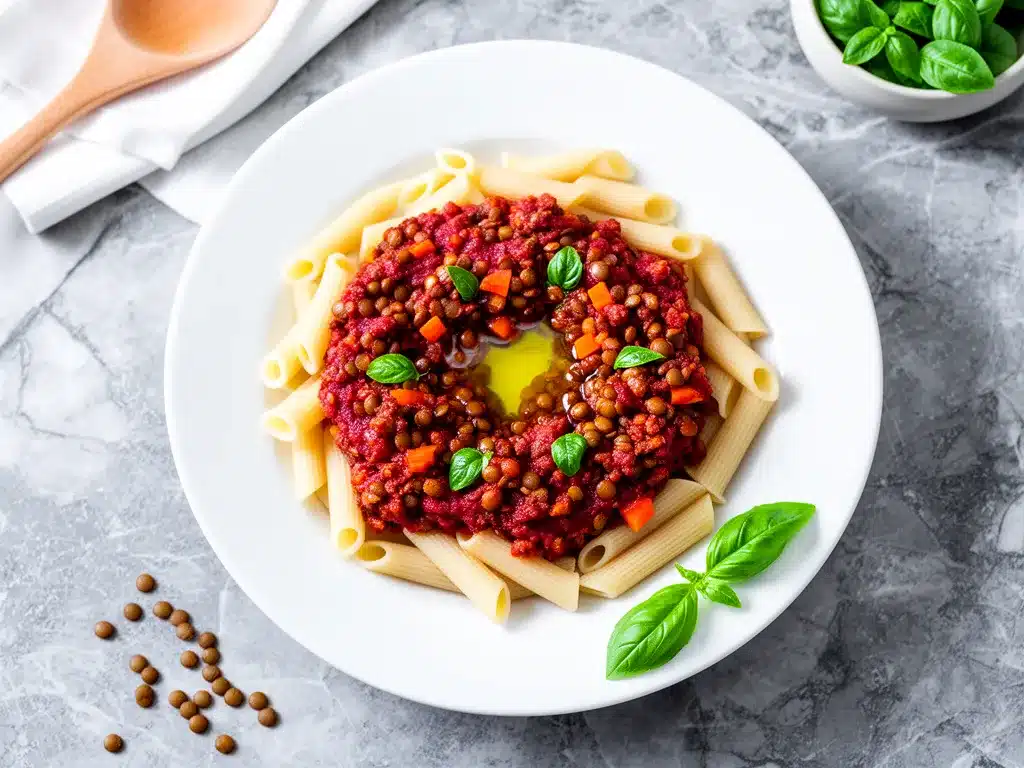
Brown or Green Lentils (1 cup dried / about 200g) — These are the stars. They hold their shape well and get tender but not mushy. Avoid red lentils for this recipe—they turn to soup. Brown or green are perfect. Rinse them well before adding.
Crushed Tomatoes (28 oz can / 800g) — I use San Marzano tomatoes if I can find them, but any good quality crushed tomatoes work. Avoid tomato sauce or paste here; you need the chunky texture of crushed tomatoes.
Tomato Paste (2 tablespoons) — This adds depth and concentrates the tomato flavor. It’s the secret ingredient that makes the sauce taste like it simmered for hours, not 30 minutes.
Vegetable Broth (1 cup / 240ml) — I use low-sodium broth so I can control the salt level. Water works in a pinch, but broth adds more flavor. Homemade is best, but store-bought is totally fine.
Dried Oregano (1 teaspoon) — The quintessential Italian herb. Don’t use fresh oregano here; the dried version holds up better to simmering.
Dried Basil (1 teaspoon) — Again, dried is better for the sauce. Fresh basil should be added at the very end as a garnish.
Red Pepper Flakes (½ teaspoon) — Optional, but I love a little heat. It adds a subtle kick that balances the sweetness of the carrots and tomatoes. Adjust to your spice tolerance.
Salt and Black Pepper — To taste. I usually start with 1 teaspoon salt and ½ teaspoon pepper, then adjust at the end.
Optional Add-ins
Fresh Spinach (2 cups) — I throw this in right at the end. It wilts down instantly and adds a pop of green. Great for boosting nutrition without changing the flavor.
Balsamic Vinegar (1 tablespoon) — A splash at the end adds a nice tangy brightness. It’s my personal favorite trick.
Walnuts or Mushrooms (½ cup, chopped) — Some people like to add chopped walnuts or sliced mushrooms for extra texture and umami. I don’t usually need them, but if you’re missing the “meaty” chew, this helps.
Equipment Needed
You don’t need fancy equipment for this. Here’s what I actually use.
- Large Skillet or Dutch Oven — I use a 12-inch skillet. It needs to be wide enough to let the liquid evaporate and the sauce reduce. A Dutch oven works too, but it’s heavier. My ancient stainless steel skillet from college still works fine.
- Sharp Knife — For chopping onion, carrot, and celery. Dull knives make you cry more—literally. Learn to sharpen yours.
- Cutting Board — Any size works. I use plastic for easier cleanup.
- Wooden Spoon — For stirring. Silicone works too. Don’t use metal on non-stick surfaces.
- Measuring Cups and Spoons — Pretty standard stuff. Dollar store versions work fine.
- Colander — For rinsing the lentils. Or just use the sink if you’re brave.
- Pasta Pot — To cook your pasta separately. I use a large stockpot.
Optional but nice: A garlic press saves time, but mincing works fine. I’m not obsessed with gadgets for this recipe.
How to Make It: Step-by-Step
Alright, let’s make this! I’m walking you through exactly how I do it, including the little tricks I’ve picked up over the years.
Step 1: Prep Your Ingredients (5 minutes)
Before you start cooking, dice your onion, carrot, and celery. I know it seems fussy, but it makes the actual cooking way less stressful. Mince your garlic while you’re at it. Once you start cooking, things move fast, and you don’t want to be scrambling for your knife.
Step 2: Sauté the Aromatics (5 minutes)
Heat the olive oil in your large skillet over medium heat. Add the diced onion, carrot, and celery. Cook for 4-5 minutes, stirring occasionally, until the vegetables are softened and the onion is translucent. This is building the flavor base. Don’t rush this step. If you add the garlic too early, it will burn and taste bitter.
Step 3: Add Garlic and Spices (1 minute)
Add the minced garlic, dried oregano, dried basil, and red pepper flakes. Stir constantly for about 1 minute until fragrant. The kitchen should start smelling amazing. If the pan looks dry, add a splash of water to prevent burning.
Step 4: Build the Sauce (2 minutes)
Stir in the tomato paste. Cook it for 1 minute to “toast” it—this deepens the flavor. Then, pour in the crushed tomatoes and vegetable broth. Stir well to combine, scraping up any browned bits from the bottom of the pan. Those bits are flavor gold.
Step 5: Add Lentils and Simmer (20 minutes)
Add the rinsed lentils to the pot. Stir everything together. Bring the sauce to a boil, then reduce the heat to low. Cover partially with a lid (leave a small gap for steam to escape) and let it simmer for 20 minutes. Stir occasionally to prevent sticking. The lentils will soften and the sauce will thicken. If it looks too dry, add a splash more water or broth.
Step 6: Season and Finish (2 minutes)
Taste the sauce. Add salt and black pepper as needed. If you’re using fresh spinach, stir it in now and let it wilt. If you’re using balsamic vinegar, add it now. The sauce should be thick and rich, coating the back of a spoon. If it’s too thick, add a little water. If it’s too thin, let it simmer uncovered for a few more minutes.
Step 7: Cook Pasta and Serve
While the sauce simmers, cook your pasta in salted boiling water according to package directions. Reserve about ½ cup of pasta water before draining. Drain the pasta and toss it with the sauce. Add a splash of pasta water if you need to loosen the sauce. Serve immediately with fresh basil, extra black pepper, and nutritional yeast or vegan parmesan if you want.
Expert Tips & Tricks
Here’s everything I’ve learned from making this dozens of times. These tips will save you from my mistakes.
- Rinse Your Lentils — Always rinse dried lentils in a colander until the water runs clear. This removes dust and debris, and helps them cook more evenly. I forgot this once, and the sauce had a gritty texture. Never again.
- Don’t Skimp on Salt — Your pasta water should taste like the ocean. Undersalted pasta tastes bland no matter how good your sauce is. I use about 1 tablespoon salt per pound of pasta.
- Toast the Tomato Paste — Cooking the tomato paste for a minute before adding the liquids caramelizes it slightly, adding a depth of flavor that raw tomato paste lacks. It’s a small step that makes a big difference.
- Low and Slow Simmer — Even though this is a “quick” recipe, letting it simmer gently for the full 20 minutes allows the lentils to absorb the flavors and the sauce to thicken properly. Boiling it hard will cook the lentils too fast and leave the sauce watery.
- Save That Pasta Water — The starchy pasta water is magic. It helps the sauce cling to the pasta perfectly. I set out a measuring cup before I drain the pasta so I don’t forget. This is the #1 tip for restaurant-quality results at home.
Common Mistakes:
- Sauce is too watery — Let it simmer longer, or add a bit more tomato paste. Also, make sure you’re not adding too much liquid at the start.
- Lentils are mushy — You probably overcooked them or used the wrong type. Brown or green lentils hold their shape. Red lentils turn to soup.
- Sauce is too salty — Use low-sodium broth and control your salt additions. You can always add more, but you can’t take it away.
Variations & Substitutions
Once you’ve nailed the basic version, here’s how you can mix it up. I’ve tried all of these.
Protein Variations
Walnut Bolognese — Swap half the lentils for finely chopped walnuts. They add a rich, earthy texture that mimics ground meat. I love this for a nutty twist.
Mushroom Lentil — Add 8oz sliced cremini mushrooms when you sauté the onions. Cook until they release their moisture and brown. Adds extra umami.
Vegetable Add-ins
Zucchini — Dice zucchini and add it with the carrots. It adds volume and moisture without changing the flavor much.
Bell Peppers — Add diced red or green bell peppers with the onions. Adds sweetness and color.
Dietary Modifications
Gluten-Free — Use gluten-free pasta. Everything else is naturally gluten-free. I’ve used Barilla gluten-free and it works great.
Oil-Free — Use vegetable broth or water to sauté the vegetables instead of olive oil. It’s less rich but still delicious.
Lower-Sodium — Use no-salt-added canned tomatoes and low-sodium broth. Control the salt at the end.
Serving & Storage
How to Serve:
I usually serve this straight from the skillet at the dinner table—it looks rustic and stays warm. But here are other ways I’ve enjoyed it:
- Classic Pasta — Spaghetti, penne, or rigatoni work best. The shape of the pasta matters less than the sauce clinging to it.
- Zucchini Noodles — For a low-carb option, serve over zucchini noodles. It’s not the same, but it works if you’re watching carbs.
- Polenta — Spoon over creamy polenta for a hearty, gluten-free meal.
- Stuffed Peppers — Use the sauce as a filling for bell peppers.
Sides:
- Garlic bread (obviously)
- Simple green salad with balsamic vinaigrette
- Roasted broccoli or green beans
Storage:
Refrigerator: Store in an airtight container for up to 5 days. The sauce will thicken in the fridge—totally normal. Just add a splash of water or broth when reheating.
Freezing: Yes, this freezes well! Portion it into freezer-safe containers or bags. It keeps for up to 3 months. Thaw in the fridge overnight and reheat gently. The texture remains great.
Reheating: Best method: Add to a skillet with a splash of water over low heat. Stir until heated through. Microwave works too, but add a splash of water first and heat in 30-second intervals, stirring between.
Nutrition Information
I’m not a nutritionist, but here’s the breakdown if you’re tracking. This is per serving (based on 6 servings).
| Nutrient | Amount |
|---|---|
| Calories | 380 |
| Protein | 18g |
| Carbs | 65g |
| Fiber | 12g |
| Sugar | 6g |
| Fat | 5g |
| Sodium | 450mg |
What’s Good: High in fiber and protein from the lentils. Rich in vitamins from the vegetables. Low in fat (unless you add a lot of oil). What to Know: Higher in carbs due to the pasta and lentils. Contains no animal products. Moderate sodium (use low-sodium broth to reduce). Look, this is comfort food. It’s not a diet recipe, but it’s way better than takeout, costs less, and I know exactly what’s in it. When I want to make it lighter, I use more zucchini noodles and less pasta. But usually? I just eat a reasonable portion and enjoy it.
Final Thoughts
So that’s my go-to vegan lentil bolognese! I’ve probably talked your ear off at this point, but when you make a recipe this often, you have a lot to say about it. This has saved weeknight dinners more times than I can count. It’s my answer to “what’s for dinner” when I’m tired, don’t want takeout, and still want something that tastes really good. My family is happy, my friends are happy, and I’m happy because I’m not stressed about cooking.
Make it yours! Try different add-ins, swap in your favorite vegetables, adjust the spices. The best recipes are the ones you adapt to your family’s tastes. If you make this, drop a comment and let me know what you think! I love hearing how recipes turn out in your kitchen. And if something doesn’t work, tell me that too—I’m here to help troubleshoot. Happy cooking! And I hope your kitchen smells half as good as mine does right now.
Frequently Asked Questions
Can I use canned lentils instead of dried?
You can, but the texture and cooking time will be different. Canned lentils are already cooked, so you just need to heat them through. Add them in the last 5 minutes of simmering, or they’ll turn to mush. I prefer dried lentils because they absorb the sauce flavor better and have a firmer texture, but canned works in a pinch.
Why did my sauce turn out watery?
This usually happens if you didn’t simmer it long enough or added too much liquid. Let the sauce simmer uncovered for another 10-15 minutes to reduce. Also, make sure you’re not using a lot of watery canned tomatoes. If you have them, drain some of the liquid first. The tomato paste also helps thicken the sauce, so don’t skip it.
Can I make this ahead for a dinner party?
Absolutely. This sauce actually tastes better the next day. Make it up to 2 days ahead and store in the fridge. Reheat gently and toss with freshly cooked pasta. It saves you stress during the party and the flavors have time to meld. I do this all the time for guests.
Can I freeze this sauce?
Yes! This sauce freezes beautifully. Portion it into freezer-safe containers or bags. It keeps for up to 3 months. Thaw in the fridge overnight and reheat gently. The texture remains great, and it’s a lifesaver for busy weeknights. Just add a splash of water when reheating if it’s too thick.
Is this recipe gluten-free?
The sauce itself is naturally gluten-free. Just make sure to use gluten-free pasta. Check your vegetable broth and tomato paste labels to ensure they don’t contain hidden gluten, though most brands are safe. I use Barilla gluten-free pasta and it works perfectly.
Can I make this oil-free?
Yes. Use vegetable broth or water to sauté the vegetables instead of olive oil. This is called “water sautéing.” It’s a bit less rich, but the flavors still develop nicely. You might need to add a little more liquid to prevent sticking, but it works well for those avoiding oil.
What kind of pasta works best?
Any short pasta works great. Penne, rigatoni, fusilli, or farfalle all hold the sauce well. Spaghetti is traditional, but long pasta can sometimes slip off the spoon if the sauce is too thick. I prefer penne because the sauce gets inside the tubes, giving you a bite of sauce in every forkful.
Pin This Recipe!
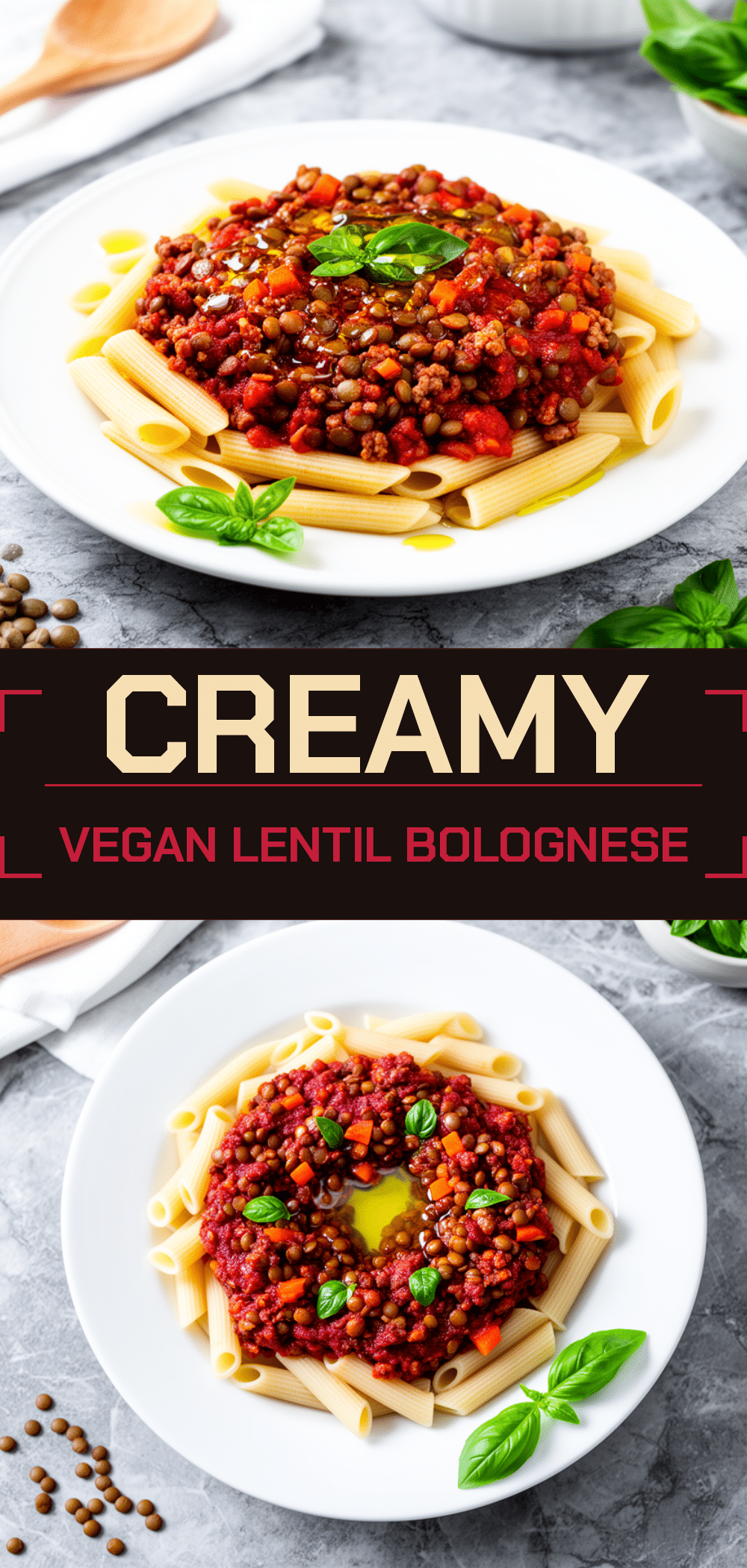
Vegan Lentil Bolognese: Easy 30-Minute Plant-Based Pasta Recipe
- Total Time: 30 minutes
- Yield: 6 servings 1x
Description
A rich, hearty, and plant-based pasta sauce made with dried brown or green lentils that mimics traditional meat bolognese. This recipe is ready in just 30 minutes, uses pantry-friendly ingredients, and offers a healthy, budget-friendly alternative to classic Italian dinners.
Ingredients
- 1 medium yellow onion, diced
- 1 large carrot, finely diced
- 2 stalks celery, finely diced
- 4 cloves garlic, minced
- 2 tablespoons extra virgin olive oil
- 1 cup dried brown or green lentils, rinsed
- 28 oz can crushed tomatoes
- 2 tablespoons tomato paste
- 1 cup vegetable broth (low-sodium)
- 1 teaspoon dried oregano
- 1 teaspoon dried basil
- 1/2 teaspoon red pepper flakes (optional)
- Salt and black pepper to taste
- 2 cups fresh spinach (optional)
- 1 tablespoon balsamic vinegar (optional)
- 1/2 cup walnuts or mushrooms, chopped (optional)
- Pasta of choice (e.g., spaghetti, penne, rigatoni)
Instructions
- Dice the onion, carrot, and celery. Mince the garlic.
- Heat olive oil in a large skillet or Dutch oven over medium heat. Add the onion, carrot, and celery. Sauté for 4-5 minutes until softened and translucent.
- Add the minced garlic, dried oregano, dried basil, and red pepper flakes. Stir constantly for 1 minute until fragrant.
- Stir in the tomato paste and cook for 1 minute to toast it. Pour in the crushed tomatoes and vegetable broth, stirring to scrape up browned bits from the bottom of the pan.
- Add the rinsed lentils to the pot. Stir to combine. Bring to a boil, then reduce heat to low. Cover partially with a lid and simmer for 20 minutes, stirring occasionally, until lentils are tender and sauce has thickened.
- Taste and season with salt and black pepper. If using, stir in fresh spinach to wilt, and add balsamic vinegar for brightness.
- While the sauce simmers, cook pasta in salted boiling water according to package directions. Reserve 1/2 cup of pasta water before draining.
- Drain pasta and toss with the lentil sauce. Add a splash of reserved pasta water if needed to loosen the sauce. Serve immediately with fresh basil and nutritional yeast or vegan parmesan.
Notes
Rinse lentils thoroughly before cooking. Toast the tomato paste for deeper flavor. Use low-sodium broth to control salt levels. The sauce tastes better the next day as flavors meld. Can be frozen for up to 3 months. If sauce is too watery, simmer uncovered longer. If too thick, add water or broth.
- Prep Time: 5 minutes
- Cook Time: 25 minutes
- Category: Main Course
- Cuisine: Italian
Nutrition
- Serving Size: 1 serving of pasta w
- Calories: 380
- Sugar: 6
- Sodium: 450
- Fat: 5
- Saturated Fat: 0.5
- Carbohydrates: 65
- Fiber: 12
- Protein: 18
Keywords: vegan lentil bolognese, plant-based pasta, quick dinner, healthy lentil recipe, gluten-free option, budget-friendly meals, weeknight dinner, Italian vegetarian