I have to confess something right out of the gate. My sourdough starter has been sitting on my counter for three weeks. Three. Weeks. I didn’t bake a single loaf of bread. I didn’t make pizza crust. I just… didn’t.
But here’s the thing about sourdough discard. It’s not waste. It’s actually the secret ingredient to the most forgiving, fluffy, cinnamon-sugar-filled breakfast you will ever make. And I’m not talking about complicated pancakes that require three different types of flour and a thermometer. I’m talking about the kind of pancakes that taste like a cinnamon roll but cook up in the time it takes to brew coffee.
These sourdough discard cinnamon sugar pancakes are my new obsession. I’ve made them so many times that my kitchen smells like a bakery from 6 AM until noon, and I’m not even mad about it. If you have a jar of starter in the fridge that’s been staring at you judgmentally, or if you just want a weekend brunch that feels fancy but is actually stupidly simple, this is the one. You really can’t mess this up.
Why You’ll Make These on Repeat
Look, I’ve tried every sourdough pancake recipe out there. Some are too tangy. Some are dense as bricks. Some require you to sift dry ingredients three times. Not this one. This recipe is built for people who want delicious food without the fuss. Here’s why this batch of sourdough discard cinnamon sugar pancakes has taken over my morning routine:
Zero Waste, Maximum Flavor — That sourdough discard you’ve been tempted to pour down the sink? It’s actually doing heavy lifting here. The fermentation breaks down the gluten slightly, which makes the pancakes incredibly tender. Plus, it adds that subtle, complex tang that cuts through the sweetness perfectly. It’s like the starter is saying, “Hey, I’m not trash, I’m flavor.”
Actually Fluffy, Not Flat — I’ve had bad experiences with yeast-leavened pancakes before. They can turn out rubbery if you overmix them. These rely on baking powder and baking soda for lift, so they stay light and airy. I’ve served these to my coffee-sniffing friend who claims she can taste “dense batter,” and she asked for the recipe. That’s high praise.
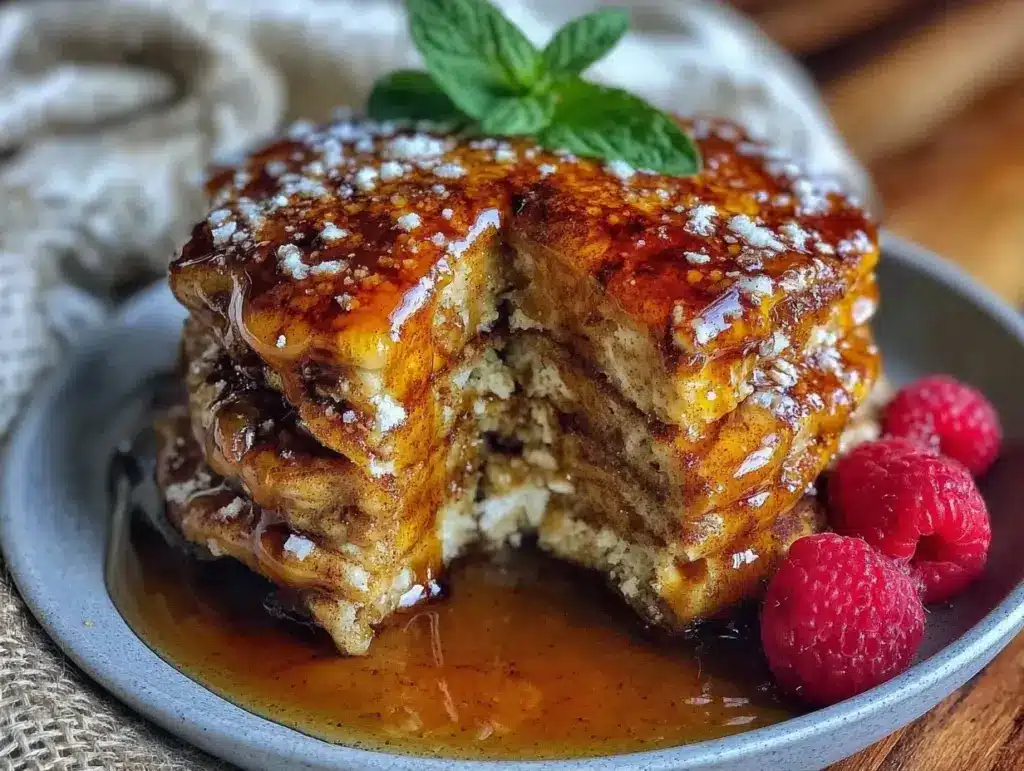
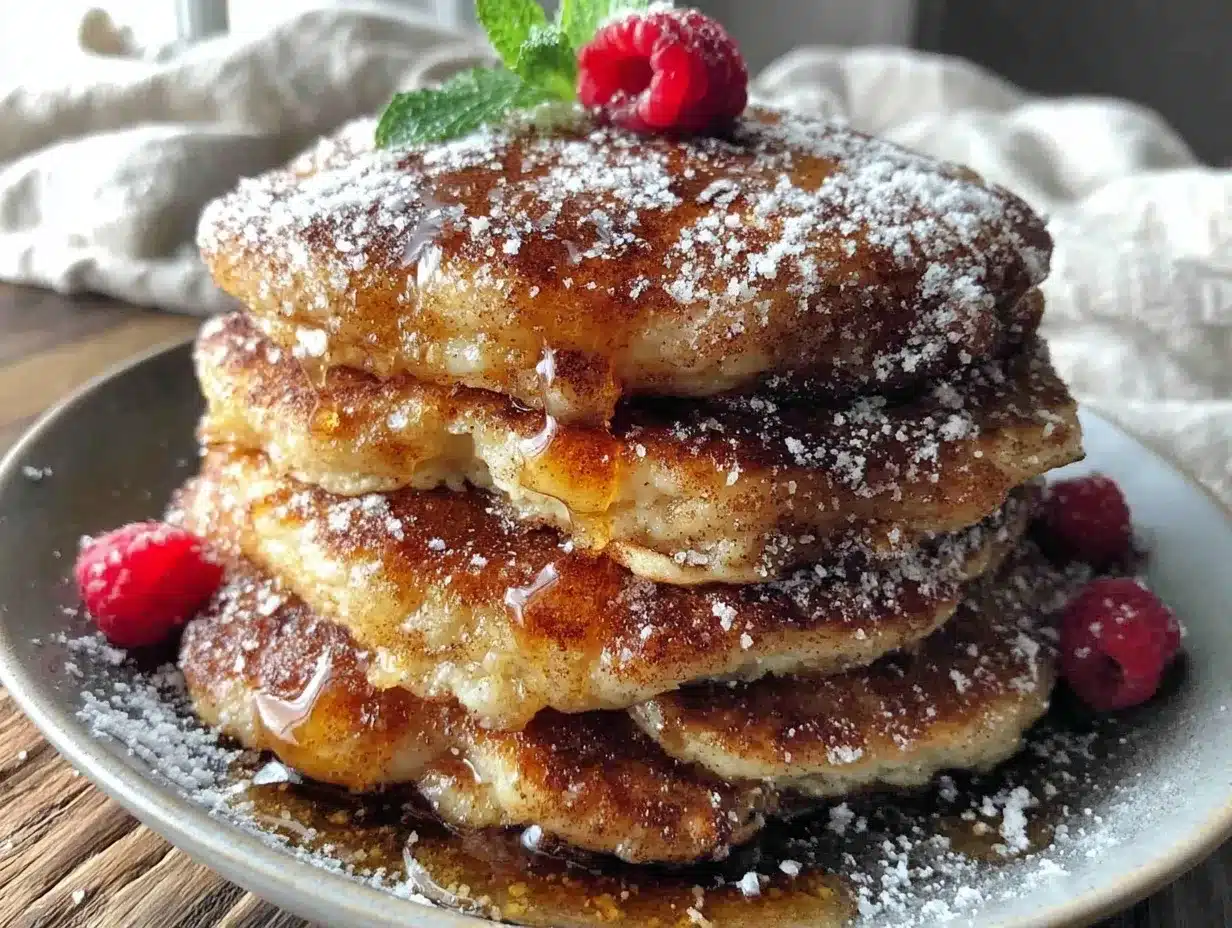
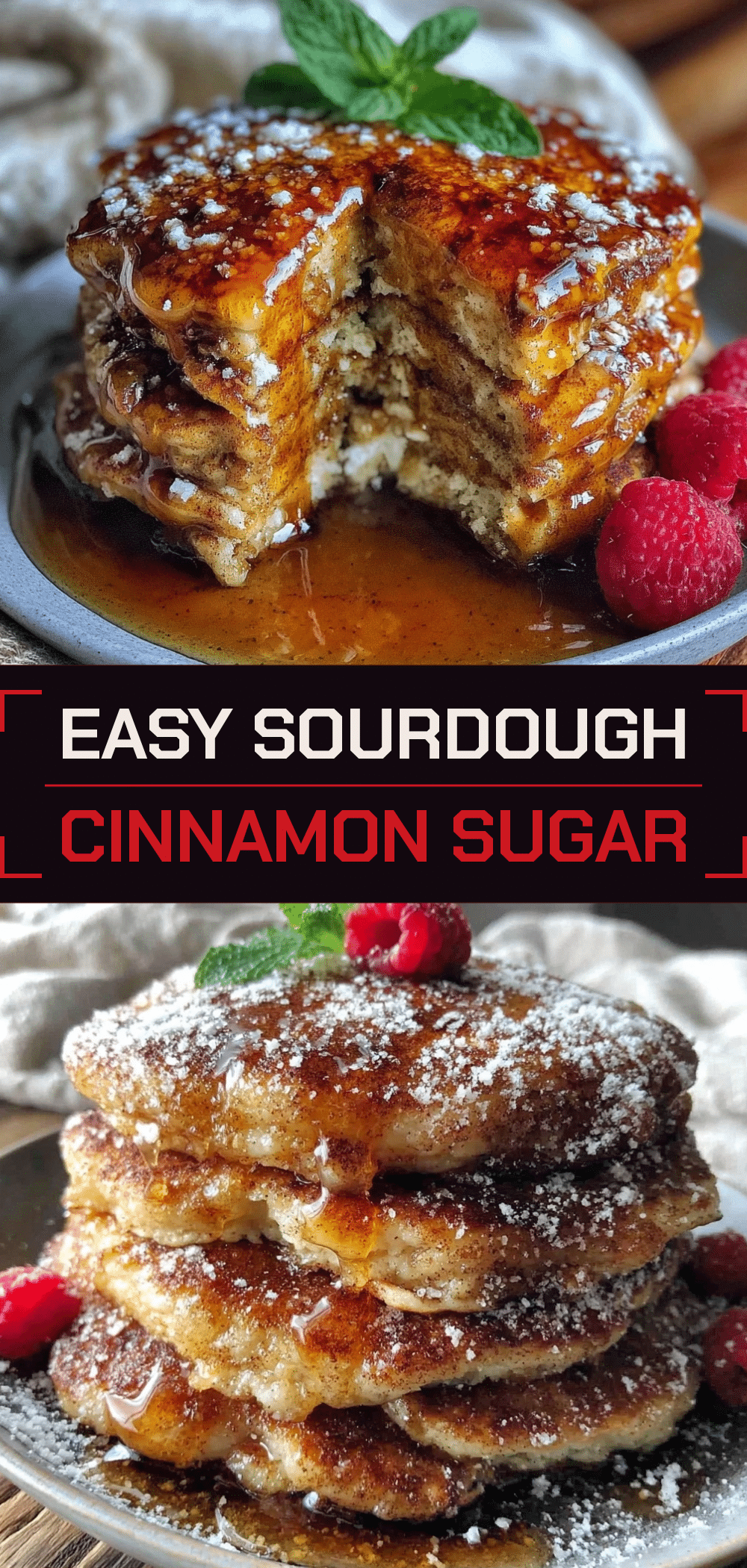
Cinnamon Sugar Coating — This is the game-changer. We aren’t just flipping plain pancakes. We are rolling them in a buttery cinnamon-sugar mixture immediately after cooking. It creates this incredible crust that contrasts with the soft interior. It’s basically a pancake version of those cinnamon roll sugar cookies but in pancake form. You’ll hear the crunch when you bite into it.
Foolproof for Beginners — If you can mix a bowl and flip a spatula, you can make these. There are no special techniques. No tempering eggs. No folding in whipped whites. Just stir, pour, cook, roll. It’s beginner-proof. I make these when I’m tired, when I’m hungover, or when I just want to treat myself without thinking too hard.
Uses What You Have — You probably have all the ingredients for the batter already. Flour, sugar, milk, eggs, butter. The only thing you need is that sourdough discard. And if you don’t have it? Just mix a little flour and water and let it sit for an hour. But honestly, if you’re reading this, you probably have a jar in the fridge waiting to be used.
So basically, this is the recipe you make when you want to feel like a brunch pro but don’t want to spend your whole Saturday in the kitchen. It’s reliable, it’s delicious, and it uses up that starter guilt-free.
Ingredients You’ll Need
Here’s the best part: this recipe is minimalist. You don’t need a pantry full of exotic flours or expensive vanilla beans. Just good, simple ingredients. I’m particular about a couple of things here, but mostly, this is about keeping it easy.
For the Batter
Sourdough Discard (1 cup / 240g) — This is the star. It doesn’t matter if your starter is active or dormant. We aren’t relying on it for rise. Just use it straight from the fridge. If it’s been sitting for a while and has a hooch on top, stir it back in. It adds that perfect tang.
All-Purpose Flour (1 ½ cups / 190g) — Standard AP flour works best. It has enough protein to hold the structure but not so much that it gets tough. I don’t recommend swapping in whole wheat unless you want a heartier, denser pancake. Stick to AP for that classic fluffy texture.
Sugar (2 tablespoons / 25g) — Just a little bit to sweeten the batter and help with browning. Don’t skip it, even if you’re watching sugar. It helps the pancakes get that nice golden crust.
Baking Powder (1 ½ teaspoons) — This is your primary leavening agent. Make sure it’s not expired! I keep a fresh tin in my pantry. If your baking powder is old, your pancakes will be flat. I learned this the hard way with a sad, thin pancake that tasted like regret.
Baking Soda (½ teaspoon) — This reacts with the acidity in the sourdough discard to create extra lift and help the pancakes brown. It’s a small amount, but it makes a big difference in texture.
Salt (½ teaspoon) — Essential for balancing the sweetness. Don’t skip it. It makes the cinnamon flavor pop.
Milk (1 cup / 240ml) — Whole milk is best for richness, but 2% works fine. If you’re dairy-free, use oat milk—it’s creamy and neutral enough that you won’t notice the difference.
Egg (1 large) — This binds everything together and adds structure. Room temperature eggs mix in easier, but cold eggs work too. Just whisk them well.
Vanilla Extract (1 teaspoon) — Real vanilla, please. I know it’s tempting to use imitation, but good vanilla makes a huge difference in a simple batter like this. It adds warmth and depth.
Melted Butter (2 tablespoons / 30g) — Adds richness and tenderness. Let it cool slightly before adding so you don’t cook the egg.
For the Cinnamon Sugar Coating
Granulated Sugar (½ cup / 100g) — This is what you’ll roll the pancakes in. Standard white sugar works great.
Ground Cinnamon (1 ½ teaspoons) — Use good quality cinnamon. The cheaper stuff tastes dusty. I keep a jar of Ceylon cinnamon for baking; it’s sweeter and more aromatic.
Butter (3 tablespoons / 45g) — Melted. This acts as the glue for the cinnamon sugar. You’ll dip the cooked pancakes in this before rolling them.
Optional: Pinch of Nutmeg — I love a tiny hint of nutmeg with the cinnamon. It adds a cozy, fall-like vibe. But if you don’t have it, skip it. It’s not essential.
Equipment Needed
You don’t need fancy gadgets for this. Here’s what I actually use, along with some honest opinions on why.
Large Mixing Bowl — I use a 4-quart ceramic bowl. It’s heavy enough not to tip over when I’m whisking. Any large bowl works, just make sure it’s big enough to mix everything comfortably.
Whisk — A standard balloon whisk is perfect. I use it to combine the wet ingredients and to break up any lumps in the dry mix. Silicone whisks work too, but I prefer metal for better aeration.
Measuring Cups and Spoons — I’m a bit old-school. I use metal measuring spoons for dry ingredients and plastic or metal cups for wet. They’re durable and accurate. Dollar store versions are fine if you’re careful.
Non-Stick Griddle or Skillet — This is crucial. I use a 12-inch non-stick skillet. It heats evenly and nothing sticks. Cast iron is great too, but you need to season it well. If you use stainless steel, you’ll fight your pancakes. Don’t do it.
Spatula — A thin, flexible rubber spatula is best for flipping. It slides under the pancake easily without tearing it. I have a few; I lose one every year. Buy a pack.
Small Bowl for Butter — I melt the butter in a small glass bowl or ramekin. It’s easier to dip the pancakes than trying to dip them into a larger pan of hot butter.
Plate for Cinnamon Sugar — I spread the cinnamon sugar mixture on a flat plate. It’s easy to roll the pancakes on it. Just make sure the plate is big enough to handle the pancake size.
How to Make It: Step-by-Step
Alright, let’s make these! I’m walking you through exactly how I do it, including the little tricks I’ve picked up over the years. This is straightforward, so don’t overthink it.
Step 1: Mix the Dry Ingredients (2 minutes)
In your large mixing bowl, whisk together the flour, sugar, baking powder, baking soda, and salt. I do this first because it ensures the leavening agents are evenly distributed. If you don’t mix them well, you might get a bite of baking powder that tastes soapy. Gross. Whisk it for about 30 seconds until it looks uniform.
Step 2: Combine the Wet Ingredients (2 minutes)
In a separate medium bowl or large measuring cup, whisk the milk, egg, vanilla extract, and melted butter. Whisk until the egg is fully broken up and the butter is incorporated. The mixture should look creamy, not separated. If the butter has solidified into little white chunks, just whisk a bit more or microwave for 10 seconds to melt it back in.
Step 3: Bring Them Together (1 minute)
Pour the wet ingredients into the dry ingredients. Add the sourdough discard last. Now, here’s the most important rule: Do not overmix. Stir gently with a spatula or spoon until the flour is just moistened. It’s okay if there are a few small lumps. Overmixing develops gluten, which makes pancakes tough and chewy. We want tender and fluffy. If you mix until smooth, you’ve gone too far. Stop as soon as you don’t see dry flour anymore.
Step 4: Prepare Your Coating (2 minutes)
Melt the 3 tablespoons of butter in a small bowl. In another shallow bowl or plate, mix the granulated sugar and cinnamon (and nutmeg if using). Spread it out evenly. You want a thick layer so the pancakes get a good coating. Set these aside near your stove.
Step 5: Heat the Skillet (3 minutes)
Place your non-stick skillet over medium heat. I test it by sprinkling a few drops of water on the surface. If they sizzle and dance around, it’s ready. If they just sit there, wait a minute. If they evaporate instantly, it’s too hot. You want a gentle, even heat. No butter in the pan yet—just dry heat to warm it up.
Step 6: Cook the Pancakes (3-4 minutes per batch)
Use a ¼ cup measuring cup to pour batter onto the skillet. Don’t crowd the pan; cook 2-3 pancakes at a time depending on your skillet size. Cook until you see bubbles forming on the surface and popping. The edges will look set and slightly dry. This usually takes about 2-3 minutes. Do not flip too early! If you flip before the bubbles set, the pancake will tear. Wait for that visual cue.
Step 7: Flip and Finish (1-2 minutes)
Once the bubbles have popped and the edges are set, flip the pancake. Cook for another 1-2 minutes until golden brown on the second side. The second side cooks faster, so keep an eye on it. You want a nice golden color, not dark brown.
Step 8: The Cinnamon Sugar Roll (Immediate)
This is the fun part. While the pancake is still hot, dip it briefly into the melted butter. Coat one side. Then, immediately place it onto the cinnamon sugar mixture. Roll it gently to coat the buttered side completely. Flip it over and coat the other side in butter and sugar if you want extra sweetness (I do). Place the coated pancake on a plate. Keep cooked pancakes warm in a low oven (200°F) while you finish the batch.
Repeat with the remaining batter. You should get about 8-10 medium pancakes from this recipe.
Expert Tips & Tricks
Here’s everything I’ve learned from making this dozens of times. These tips will save you from my mistakes and ensure your pancakes are perfect every time.
Don’t Overmix the Batter — I can’t say this enough. Lumps are good. Smooth batter is bad. If your batter looks like cake batter, you’ve mixed it too much. Stir until combined, then stop. The residual heat and resting time will help it smooth out slightly.
Keep Your Skillet at Medium Heat — This is where most people go wrong. If the heat is too high, the outside burns before the inside cooks. If it’s too low, the pancakes are pale and doughy. Medium is the sweet spot. Adjust your burner as needed. If the first pancake is dark, lower the heat. If it’s pale, raise it slightly.
Use a Thermometer (Optional but Helpful) — If you want to be precise, aim for 375°F on your griddle. But honestly, visual cues work fine. Look for bubbles and set edges.
Wipe the Skillet Between Batches — If you have any burnt bits or excess sugar sticking to the pan, wipe it clean with a paper towel before pouring the next batch. This prevents burnt sugar bits from sticking to your next pancake and tasting bitter.
Keep Pancakes Warm Properly — Place finished pancakes on a wire rack set over a baking sheet in a 200°F oven. This keeps them warm without steaming them (which makes them soggy). If you stack them on a plate, they’ll get soft and lose that crisp cinnamon sugar crust.
Adjust Consistency if Needed — Sourdough discard can vary in thickness. If your batter looks too thick (like paste), add a splash of milk. If it’s too thin (like water), add a tablespoon of flour. You want a consistency similar to heavy cream or thick pancake batter.
Double the Cinnamon Sugar — I always make extra cinnamon sugar. It’s so good that I’ll sprinkle it on top of the finished pancakes for extra flair. It’s also great on yogurt or oatmeal later.
Variations & Substitutions
Once you’ve nailed the basic version, here’s how you can mix it up. I’ve tried all of these, and they work well.
Berry Blast — Fold ½ cup of fresh or frozen blueberries into the batter right before cooking. The berries burst and create little pockets of sweetness. I love adding them with the cinnamon sugar theme—it’s like a berry cinnamon roll.
Chocolate Chip — Add ½ cup of mini chocolate chips to the batter. Or, after rolling in cinnamon sugar, dip the hot pancake in melted chocolate. It’s decadent and perfect for special occasions.
Maple Bourbon — Swap the cinnamon sugar for a maple-bourbon glaze. Mix ¼ cup maple syrup with 1 tablespoon bourbon and a pinch of salt. Drizzle over the pancakes instead of rolling them. It’s sophisticated but easy.
Gluten-Free — Use a 1:1 gluten-free flour blend. The texture might be slightly different, but it still works. I’ve used Bob’s Red Mill and King Arthur, and both are fine. Make sure your baking powder is certified GF.
Dairy-Free — Use oat milk instead of dairy milk and coconut oil instead of butter for the batter. For the coating, use vegan butter and the same cinnamon sugar. It’s surprisingly close to the original.
Whole Wheat — Swap half the all-purpose flour for whole wheat flour. It adds a nuttier flavor and more fiber. The pancakes will be slightly denser but still delicious.
Serving & Storage
How to Serve:
I usually serve these straight from the skillet, piled high on a plate. They look rustic and inviting. Top with extra whipped cream, a drizzle of maple syrup, or fresh berries. I love pairing them with a strong cup of coffee or a glass of fresh orange juice. If you’re hosting brunch, these are a hit. They’re festive but not fussy.
Side Dishes:
These pancakes are hearty enough to be a meal, but they pair well with light sides. A simple green salad with vinaigrette, some crispy bacon, or even a slice of fresh peach upside-down cake if you’re doing a big brunch spread. They also go well with savory dishes like spicy chipotle corn on the cob if you want a sweet and spicy contrast.
Storage Instructions:
Store leftover pancakes in an airtight container in the refrigerator for up to 3 days. The cinnamon sugar coating might soften over time, but the pancakes themselves stay moist.
Reheating:
The best way to reheat is in a toaster or a toaster oven. This restores the crispness of the cinnamon sugar crust. If you microwave them, they’ll get soft and chewy. I prefer the toaster method for that fresh-baked texture.
Freezing:
You can freeze these pancakes. Let them cool completely, then layer them with parchment paper in a freezer bag. They’ll last for up to 2 months. Reheat in the toaster or oven. Don’t thaw them first; go straight from freezer to toaster. It works surprisingly well.
Nutrition Information
I’m not a nutritionist, but here’s the breakdown if you’re tracking. Keep in mind that this is an estimate based on standard ingredients.
Per Serving (based on 8 pancakes, no toppings):
- Calories: 280
- Protein: 6g
- Carbs: 42g
- Fiber: 1g
- Sugar: 18g
- Fat: 9g
- Saturated Fat: 5g
- Cholesterol: 35mg
- Sodium: 250mg
What’s Good:
These pancakes provide a good amount of energy from carbohydrates. The sourdough discard adds some probiotic benefits, though cooking kills most of the live cultures. They’re also a decent source of calcium from the milk and cheese if you add toppings.
What to Know:
The cinnamon sugar coating adds extra sugar and calories. If you’re watching sugar, you can reduce the amount in the coating or skip it entirely. The pancakes themselves are not overly sweet, so they’re balanced.
My Take:
Look, this is a treat. It’s cinnamon sugar pancakes. It’s not a health food. But it’s made from scratch with simple ingredients, and it’s way better than anything from a box. When I make these, I enjoy them without guilt. It’s a weekend indulgence that feels homemade and special.
Final Thoughts
So that’s my go-to sourdough discard cinnamon sugar pancakes! I’ve probably talked your ear off at this point, but when you make a recipe this often, you have a lot to say about it.
This has saved my weekends more times than I can count. It’s my answer to “what’s for brunch” when I want something special but don’t want to stress. My kids love the cinnamon sugar crunch, my partner loves the fluffy texture, and I love that I’m using up my sourdough discard instead of wasting it. It’s a win-win-win.
Make it yours! Try different add-ins, swap in your favorite fruits, or adjust the cinnamon to your taste. The best recipes are the ones you adapt to your family’s tastes. And if you make this, drop a comment and let me know what you think! I love hearing how recipes turn out in your kitchen. And if something doesn’t work, tell me that too—I’m here to help troubleshoot.
Happy cooking! And I hope your kitchen smells half as good as mine does right now.
Frequently Asked Questions
Can I use active sourdough starter instead of discard?
Yes, you can! If your starter is active and bubbly, just use it in place of the discard. You might want to reduce the baking powder slightly since the starter has some leavening power, but it’s not strictly necessary. The flavor will be slightly tangier, which is delicious.
Why did my pancakes turn out flat?
Usually, this means either the baking powder was old, or you overmixed the batter. Check your baking powder expiration date. Also, make sure you didn’t stir the batter until it was smooth. Lumps are okay! If you overmix, the gluten develops and the pancakes become tough and flat.
Can I make the batter ahead of time?
I don’t recommend it. The baking powder starts working as soon as it hits the liquid. If you let the batter sit, the pancakes will lose their lift and become dense. It’s best to mix and cook immediately. If you must prep ahead, mix the dry ingredients and wet ingredients separately and combine right before cooking.
How do I keep the cinnamon sugar from burning?
The sugar is on the outside, so it can burn if the heat is too high. Make sure your skillet is at medium heat, not medium-high. If you see the sugar browning too fast, lower the heat. Also, don’t press the pancakes down too hard when flipping; you want them to cook gently.
Can I freeze the sourdough discard?
Yes! If you don’t plan to use your discard soon, freeze it in an airtight container or freezer bag. It will last for up to 6 months. Thaw it in the fridge overnight before using. The texture might be slightly separated, but just stir it back in and it’s good to go.
What’s the best butter to use for the coating?
Unsalted butter is best so you can control the saltiness. But if you only have salted butter, it’s fine. Just reduce the salt in the batter slightly if you use salted butter for the coating. The key is to have the butter melted but not hot enough to burn the sugar.
Can I use almond milk or other non-dairy milks?
Absolutely. Oat milk is my favorite because it’s creamy and neutral. Almond milk works too, but it’s thinner, so you might need to add a little more flour to get the right consistency. Soy milk is also a good option. Just avoid milk with added flavors like vanilla or chocolate, as they will alter the taste.
Pin This Recipe!
Sourdough Discard Cinnamon Sugar Pancakes: Foolproof & Easy
- Total Time: 30 minutes
- Yield: 8 servings 1x
Description
Fluffy, forgiving pancakes made with sourdough discard and coated in a buttery cinnamon-sugar mixture for a breakfast that tastes like a cinnamon roll.
Ingredients
- 1 cup (240g) sourdough discard
- 1 ½ cups (190g) all-purpose flour
- 2 tablespoons (25g) sugar
- 1 ½ teaspoons baking powder
- ½ teaspoon baking soda
- ½ teaspoon salt
- 1 cup (240ml) milk
- 1 large egg
- 1 teaspoon vanilla extract
- 2 tablespoons (30g) melted butter
- ½ cup (100g) granulated sugar (for coating)
- 1 ½ teaspoons ground cinnamon (for coating)
- 3 tablespoons (45g) melted butter (for coating)
- Pinch of nutmeg (optional)
Instructions
- In a large mixing bowl, whisk together the flour, sugar, baking powder, baking soda, and salt until uniform.
- In a separate medium bowl or measuring cup, whisk the milk, egg, vanilla extract, and melted butter until creamy and incorporated.
- Pour the wet ingredients into the dry ingredients and add the sourdough discard. Stir gently with a spatula until just moistened; do not overmix. Small lumps are okay.
- Melt the 3 tablespoons of butter for the coating in a small bowl. In another shallow bowl or plate, mix the granulated sugar, cinnamon, and nutmeg (if using).
- Heat a non-stick skillet or griddle over medium heat. Test readiness by sprinkling water drops; they should sizzle and dance.
- Pour ¼ cup of batter onto the skillet for each pancake. Cook for 2-3 minutes until bubbles form on the surface and pop, and edges look set.
- Flip the pancakes and cook for another 1-2 minutes until golden brown on the second side.
- While the pancake is still hot, dip one side into the melted coating butter, then immediately place it onto the cinnamon sugar mixture to coat. Flip and coat the other side if desired.
- Serve immediately. Keep finished pancakes warm in a 200°F oven on a wire rack while cooking the rest of the batch.
Notes
Do not overmix the batter to ensure fluffy pancakes. Keep skillet heat at medium to prevent burning the sugar coating. For best texture, serve immediately; leftovers can be reheated in a toaster to restore crispness.
- Prep Time: 10 minutes
- Cook Time: 20 minutes
- Category: Breakfast
- Cuisine: American
Nutrition
- Serving Size: 1 medium pancake
- Calories: 280
- Sugar: 18
- Sodium: 250
- Fat: 9
- Saturated Fat: 5
- Carbohydrates: 42
- Fiber: 1
- Protein: 6
Keywords: sourdough discard, cinnamon sugar pancakes, breakfast, brunch, easy pancakes, sourdough recipes, fluffy pancakes