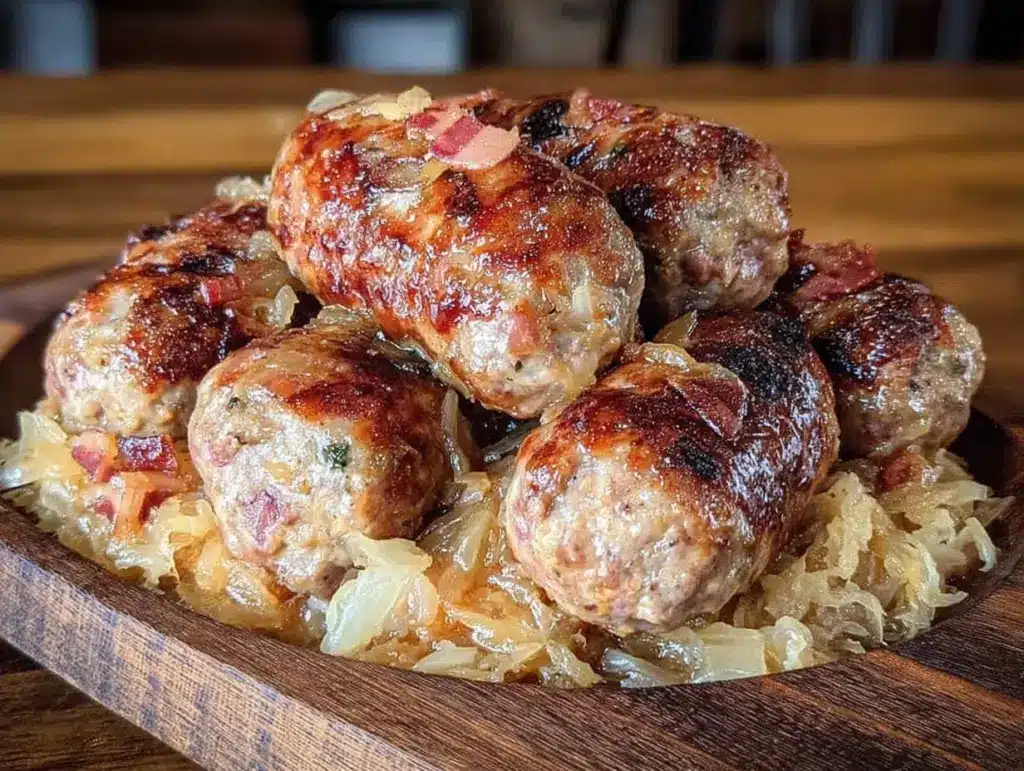
I have a confession to make. For years, I avoided making bratwurst at home. Not because I didn’t love the taste—God knows I love a good snap of a casing and juicy pork filling—but because of the logistics. You know the drill. You buy a package of six brats. You eat one. You put five in the fridge. Two days later, you’re staring at those five brats, feeling guilty, wondering if you should just fry them all up and eat them for dinner again, or if they’ll go bad if you wait. It’s a cycle of waste and regret that I was tired of.
Then came last October. I was craving that specific, salty, savory hit of a German-style sausage. I didn’t want a full meal for six people. I didn’t want to spend an hour on a grill in the crisp fall air. I just wanted one perfect brat, with my mustard, and maybe some sauerkraut if I was feeling fancy. But every recipe online assumed I was feeding a football team or hosting a massive party.
So I stopped looking at the big recipes and started thinking small. I realized that cooking for one isn’t a compromise; it’s a chance to get it exactly right. No overcooked edges, no dry centers, no wasted energy. This Oktoberfest Bratwurst for Small Batches is my answer to that problem. It’s designed specifically for the single cook who wants restaurant-quality flavor without the leftover headache. It’s perfect for a quiet Tuesday night or a lazy weekend lunch where you just want to enjoy a meal, not manage inventory.
I’ve tested this method dozens of times, tweaking the pan temperature and the beer amount, until I landed on a technique that guarantees a juicy, perfectly browned brat every single time. It’s fast, it’s focused, and it’s the only way I cook sausages now. If you’re tired of cooking for a crowd when you’re just cooking for yourself, you’re going to love this.
Why You’ll Love This Single-Serve Bratwurst Recipe
There is something deeply satisfying about getting dinner right, especially when it’s just for you. This recipe strips away the complexity of large-batch cooking and focuses on what actually matters: the quality of the sausage and the simplicity of the method. Here’s why this approach has completely changed my weeknight dinners:
- Zero Waste, Zero Guilt — Seriously, this is the biggest win. You cook exactly what you’re going to eat. No wondering if that extra brat is still good after three days. You finish the plate, you’re happy, the kitchen is clean. It’s efficient cooking at its finest.
- Lightning Fast Cleanup — When you’re cooking for six, you’re looking at multiple pots, a giant grill, and a mountain of dishes. With this single-serve method, you’re using one skillet and maybe a small bowl for your toppings. I can have dinner on the table in 15 minutes and be done with the kitchen in five. That’s huge for me.
- Perfectly Controlled Texture — Ever tried to reheat a brat that’s been sitting in the fridge for two days? The casing gets rubbery, and the juices dry out. Cooking one fresh brat ensures that snap-to-bite texture and juicy interior that makes bratwurst so good in the first place. You get the best possible experience every time.
- Flexible Toppings — Since you’re cooking just one, you can go wild with toppings without feeling wasteful. Want a mountain of caramelized onions? Go for it. Prefer it plain with just mustard? Done. You’re not making a compromise for someone else’s taste buds.
- Great for Meal Prep (If You Want) — Okay, I said no leftovers, but sometimes you just want to get it done. The beauty of this recipe is that a single cooked brat reheats beautifully in the microwave or a toaster oven if you prepped it ahead. It doesn’t dry out like ground meat does. I sometimes cook two on Sunday just to have a quick protein boost for a Tuesday salad.
This isn’t just about convenience; it’s about respect for the food. When you cook a large batch, the sausage becomes an ingredient. When you cook one, it becomes the star. It’s a small shift in mindset that makes the meal feel more special, even if you’re eating it alone on the couch.
Ingredients You’ll Need
Here’s the thing about bratwurst: the sausage does 90% of the work. You don’t need a long list of exotic spices or hard-to-find items. You just need a few quality components to elevate what’s already in the casing. I’m particular about three things here, and I’ll tell you exactly why they matter.
The Star
Pork Bratwurst (1 link, approx. 4-6 oz / 115-170g) — This is non-negotiable. I avoid turkey or chicken sausages for this because they lack the fat content needed for that juicy snap. Look for a high-quality pork brat, preferably from a local butcher or a good grocery store meat counter. If you can find one labeled “German-style” or with caraway seeds, even better. Avoid pre-cooked smoked brats if you can help it—they’re already done, and you lose the fun of cooking them yourself. Fresh is best.
The Aromatics
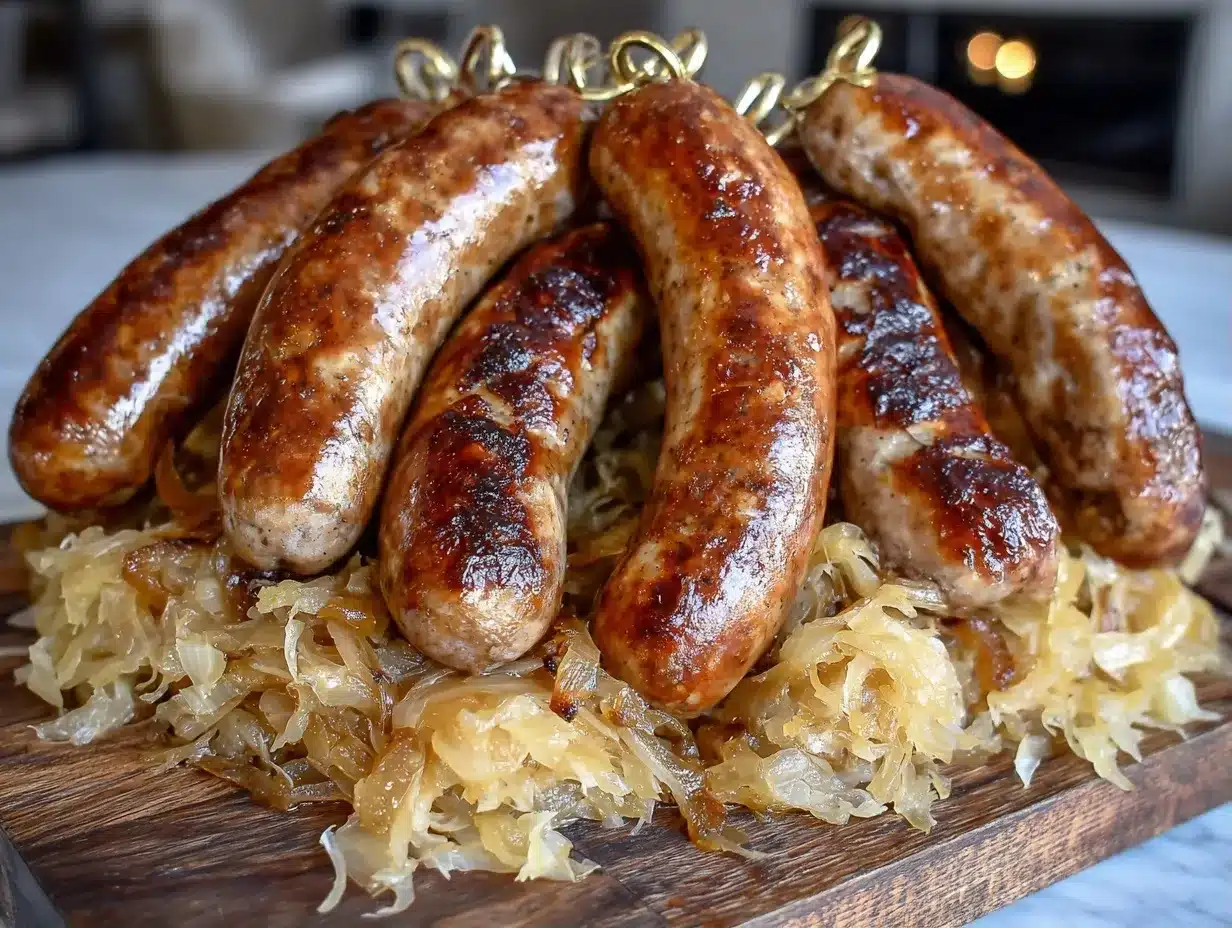
Yellow Onion (½ medium, sliced / about 75g) — We’re only using half an onion because we’re cooking for one. Don’t buy a whole onion and let it rot in your crisper drawer. Slice this thin so it caramelizes quickly and evenly in the pan. It adds sweetness that balances the salty pork.
Garlic (1 clove, minced / about 5g) — Just one clove. Fresh only. I know jarred garlic is convenient, but in a recipe this small, the fresh flavor makes a noticeable difference. Minced fine so it doesn’t burn.
The Liquid & Fat
Beer (¼ cup / 60ml) — I use a lager or a pilsner. Not a stout, not a IPA. You want something light and malty. If you don’t drink alcohol, substitute with low-sodium beef broth or apple cider. The liquid helps steam the brat gently, ensuring the inside cooks through before the outside burns. It also deglazes the pan for those tasty brown bits.
Butter (1 tablespoon / 14g) — Not oil. Butter adds a nutty, rich flavor that pairs perfectly with pork. It helps brown the casing beautifully. If you’re dairy-free, use a high-smoke-point oil like avocado oil, but you’ll miss out on that buttery finish.
Mustard (1-2 teaspoons, Dijon or Whole Grain) — The classic pairing. Dijon adds a sharp kick, while whole grain adds texture. I usually keep both in the fridge and swap based on my mood. Don’t skip this; it cuts through the richness of the sausage.
Optional Add-Ins
Sauerkraut (½ cup / 75g, drained) — If you want to lean into the German theme, warm up some sauerkraut in a separate small pan while the brat cooks. It adds a tangy crunch. I love this combo, but it’s optional if you prefer just the sausage and onions.
Brioche Bun or Sourdough Slice (1 bun or 1 thick slice) — I usually eat my brat on a simple white bun, but a toasted slice of sourdough is fantastic for soaking up the juices. If you’re keeping it low-carb, skip the bread and serve it on a bed of greens.
Equipment Needed
You don’t need fancy equipment for this. In fact, keeping it simple is part of the charm. Here’s what I actually use on my small stove:
8-Inch Skillet — This is the key. A large 12-inch skillet is overkill for one brat. The heat concentrates better in a smaller pan, ensuring even cooking. I use a non-stick or well-seasoned cast iron skillet. If you only have a large pan, just be careful not to crowd it with too many onions.
Small Saucepan or Microwave-Safe Bowl — Only needed if you’re warming up sauerkraut or making a quick mustard sauce. If you’re keeping it simple, you don’t need this.
Sharp Knife and Cutting Board — For slicing the onion. A dull knife will crush the onion and make it sad. Keep it sharp.
Tongs — For turning the brat. I prefer tongs over a fork because you don’t pierce the casing. Piercing releases the juices, and we want to keep them in.
Measuring Spoon — For the beer and butter. You don’t need to be precise, but having a rough measure helps keep the liquid balance right.
How to Make It: Step-by-Step
Alright, let’s make this! It’s incredibly straightforward, but there are a few tricks to ensure your brat is juicy and not dry. I’m walking you through exactly how I do it.
Step 1: Prep Your Ingredients (3 minutes)
Before you turn on the heat, get everything ready. Slice half an onion into thin half-moons. Mince one clove of garlic. Measure out your beer and butter. Having these ready means you won’t burn the garlic while you’re fumbling with the onion. It’s a small step that prevents stress.
Step 2: Sauté the Onions (4-5 minutes)
Place your 8-inch skillet over medium heat. Add the butter. Once it melts and foams slightly, add the sliced onions. Spread them out in the pan. Cook them for 4-5 minutes, stirring occasionally, until they are soft and starting to turn golden brown. You want them sweet and caramelized, not burnt. If they look like they’re sticking, add a tiny splash of water. Once they’re nice and soft, push them to the side of the pan or remove them to a small plate.
Step 3: Sear the Brat (3-4 minutes)
Increase the heat to medium-high. Add the bratwurst to the pan. You want a good sear. Cook for 2 minutes on the first side until you see a nice brown crust. Then flip it. Cook for another 2 minutes on the second side. At this point, the outside is browned, but the inside is still raw. This is where most people mess up by turning the heat down too early or too late.
Step 4: Steam and Finish (5 minutes)
Now, add the minced garlic to the pan (pushing the brat slightly aside so the garlic doesn’t burn immediately). Pour in the ¼ cup of beer. Let it bubble and simmer for 1 minute. The alcohol will cook off, leaving behind a rich, malty flavor. Then, reduce the heat to medium-low. Cover the pan with a lid (or a piece of foil if you don’t have a lid that fits). Let it steam for 3-4 minutes. This gentle heat cooks the inside of the brat without drying out the casing. If you don’t have a lid, just add a tablespoon of water and cover tightly with foil.
Step 5: Check and Serve (2 minutes)
Remove the lid. If there’s still liquid in the pan, let it cook off for another minute until the pan is mostly dry and the brat is sizzling again. Check the internal temperature if you have a thermometer—it should be 160°F (71°C) for pork. If you don’t have a thermometer, cut into the center of one brat to check. It should be juicy and no longer pink. Place the brat on your bun or plate. Top with the caramelized onions, a dollop of mustard, and sauerkraut if you’re using it. Serve immediately.
Total Time: About 15 minutes (5 minutes active, 10 minutes mostly hands-off).
Expert Tips & Tricks
Here’s everything I’ve learned from making this dozens of times. These tips will save you from my early mistakes.
- Don’t Pierce the Casing — I know it’s tempting to poke holes to let the fat render, but trust me, don’t. You’ll lose all those precious juices into the pan, and the brat will be drier. The casing is there for a reason. If you’re worried about bursting, just prick it once or twice with a toothpick, but better yet, just cook it gently.
- Use a Lid — The steaming step is crucial. Without it, you’re just frying a thick sausage, which often leads to a burnt outside and a raw inside. The lid traps the heat and moisture, cooking it evenly. If you don’t have a lid that fits your small skillet, aluminum foil works perfectly.
- Room Temperature Brats — If you have time, take the brat out of the fridge 15 minutes before cooking. Cold brats hit the hot pan and shock the casing, which can cause it to split. Starting closer to room temp helps it cook more evenly.
- Reserve the Pan Juice — After you remove the brat and onions, there’s usually a little bit of flavorful liquid left in the pan. Don’t wash it away! Dip your bread or spoon it over the top. It’s liquid gold.
- Garlic Timing — Garlic burns fast. Adding it after the onions are soft, and just before the beer, ensures it gets fragrant without turning bitter. If you add it at the very start, it’ll be charred by the time the beer goes in.
Variations & Substitutions
Once you’ve nailed the basic version, here’s how you can mix it up. I’ve tried all of these, and they’re all winners.
Beer-Free Option
Not drinking? No problem. Use ¼ cup of low-sodium beef broth or apple cider. Broth adds a savory depth, while cider adds a subtle sweetness that pairs well with the onions. Both work beautifully.
Spicy Kick
Add a pinch of red pepper flakes to the butter when you sauté the onions. Or use a spicy bratwurst if you can find one. I love the contrast of heat with the sweet caramelized onions.
Greek-Style Twist
Swap the beer for a splash of white wine and lemon juice. Top with tzatziki instead of mustard. It’s a completely different vibe, but the cooking method stays the same. If you like Mediterranean flavors, this is a fun way to adapt the bratwurst technique.
Apple & Cider Version
Swap the beer for apple cider and add a pinch of cinnamon to the onions. Top with a sharp cheddar cheese. It’s like a bratwurst version of a fall snack. This pairs nicely with the flavors in my Cranberry Apple Cider Sangria if you want a drink to match.
Gluten-Free Bun
Use a gluten-free brioche-style bun or serve it on a bed of roasted potatoes. I’ve tested several GF buns, and the ones with potato starch tend to hold up best without crumbling.
Serving & Storage
How to Serve
I usually serve this straight on a plate with a napkin, because let’s be honest, bratwurst is a messy, delicious finger food. But if you want to dress it up, a toasted brioche bun with the caramelized onions and a swipe of whole-grain mustard is classic. For a lighter option, serve it over a bed of German Potato Salad or with a side of roasted asparagus.
Storage Instructions
Refrigerator: If you somehow have leftovers (I doubt it, but let’s say you cooked two), store the brat in an airtight container for up to 3 days. The onions will keep for 4-5 days separately.
Reheating: To reheat, don’t microwave it naked. Place the brat in a microwave-safe dish with a splash of water or broth, cover it, and heat for 30-60 seconds. This steams it back to life. Alternatively, warm it in a skillet over low heat with a little butter. It should still be juicy.
Freezing: Yes, you can freeze a cooked brat. Let it cool completely, wrap it tightly in plastic wrap, and place it in a freezer bag for up to 3 months. Thaw in the fridge overnight and reheat gently. The texture might be slightly softer, but it’s still good.
Nutrition Information
I’m not a nutritionist, but here’s the breakdown if you’re tracking. This is per serving (1 brat, ½ onion, bun, mustard).
- Calories: 450-550 (depending on bun and sausage size)
- Protein: 20g
- Carbs: 35g (from bun and onions)
- Fat: 28g
- Sodium: 900mg (varies by sausage brand)
What’s Good: Decent protein, satisfying fats. What to Know: It’s higher in sodium due to the sausage, so if you’re watching salt, look for low-sodium brats or rinse them briefly before cooking. It’s comfort food, so enjoy it without guilt.
Final Thoughts
So that’s my go-to Oktoberfest Bratwurst for one! I’ve probably talked your ear off at this point, but when you make a recipe this often, you have a lot to say about it. This has saved me from so much food waste and decision fatigue. It’s my answer to “what’s for dinner” when I want something hearty and flavorful but don’t want to deal with a big cookout.
Make it yours! Try different mustards, swap the onions for caramelized pears, or add a splash of beer to your mashed potatoes. The best recipes are the ones you adapt to your life. If you make this, drop a comment and let me know what you think! I love hearing how recipes turn out in your kitchen.
Happy cooking! And I hope your kitchen smells half as good as mine does right now.
Frequently Asked Questions
Can I use turkey bratwurst instead of pork?
You can, but the texture will be different. Turkey brats are leaner and can dry out faster. If you use turkey, reduce the cooking time slightly and be very careful not to overcook them. I still recommend pork for the best juiciness, but turkey works in a pinch.
What kind of beer is best for bratwurst?
A German lager, pilsner, or helles is traditional. You want something light and malty. Avoid heavy stouts or bitter IPAs, as they can make the sauce taste weird. If you don’t have beer, beef broth or apple cider are excellent substitutes.
Why did my bratwurst split in the pan?
This usually happens if the heat is too high or if the brat was frozen solid when it hit the pan. Always start with medium heat, and if your brat is frozen, thaw it first. Pricking it once or twice with a toothpick can also help prevent bursting, though it’s not always necessary.
Can I make this in the air fryer?
Yes! Preheat your air fryer to 375°F (190°C). Cook the brat for 8-10 minutes, flipping halfway. Add the onions in the last 3 minutes. It’s a great low-fat option, though you won’t get the same caramelized onion-on-brat combo from the pan juices.
How do I reheat leftovers without them drying out?
Never microwave a brat naked. Add a splash of water or broth to the plate, cover it loosely, and heat in short bursts. Or, warm it gently in a skillet with a little butter. This restores the moisture and keeps the casing pliable.
Pin This Recipe!
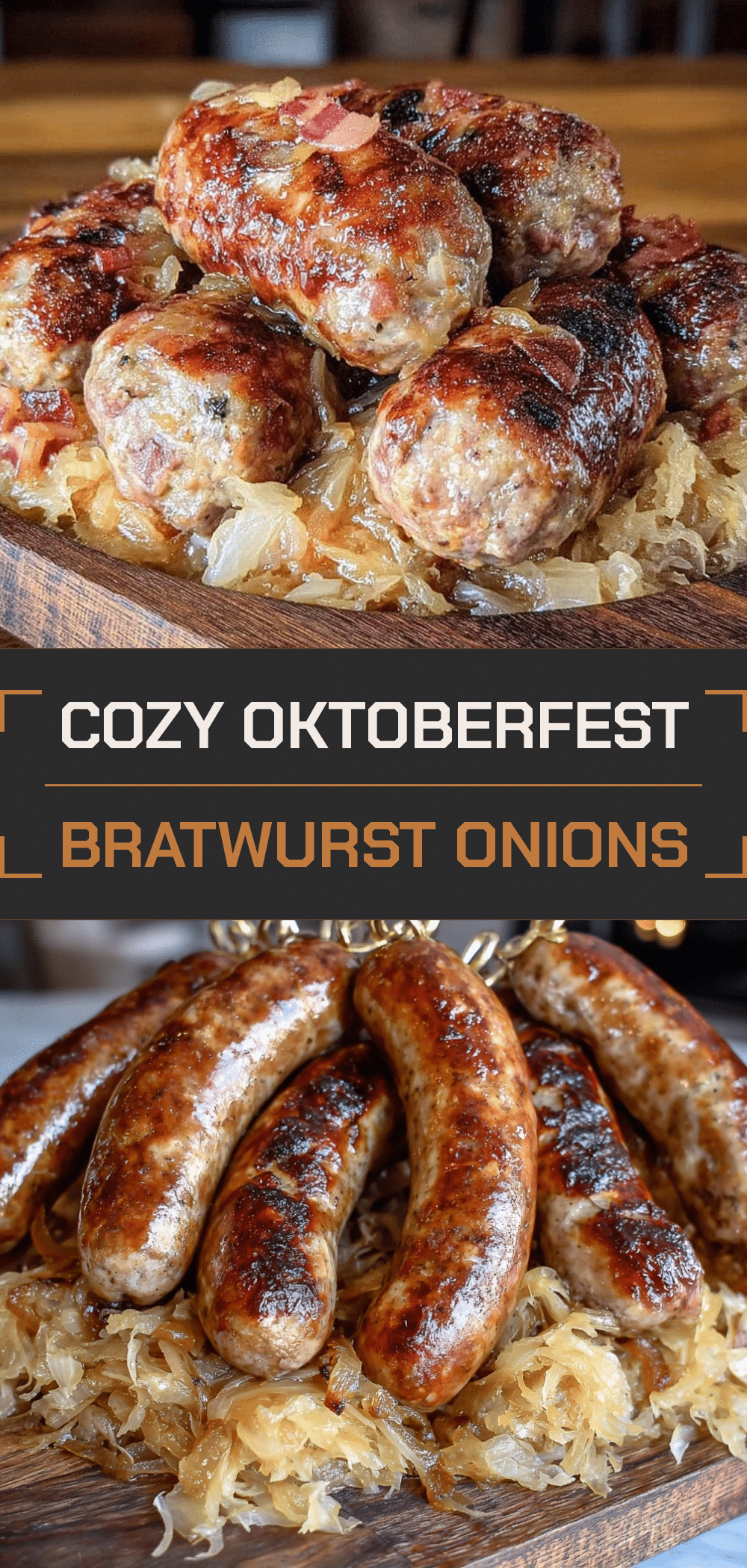
Oktoberfest Bratwurst: Easy Single-Serve Recipe for One
- Total Time: 15 minutes
- Yield: 1 serving 1x
Description
A quick, single-serve German-style pork bratwurst recipe designed to eliminate waste and ensure perfect texture. Cooked in a skillet with caramelized onions, beer, and mustard for a flavorful, 15-minute meal.
Ingredients
- 1 pork bratwurst link (approx. 4–6 oz / 115-170g)
- 1/2 medium yellow onion, sliced into thin half-moons
- 1 clove garlic, minced
- 1 tablespoon butter
- 1/4 cup lager or pilsner beer (or low-sodium beef broth/apple cider)
- 1–2 teaspoons Dijon or whole grain mustard
- 1 brioche bun or 1 thick slice sourdough bread
- 1/2 cup sauerkraut, drained (optional)
Instructions
- Slice the onion and mince the garlic. Measure the beer and butter.
- Place an 8-inch skillet over medium heat and add the butter. Once melted and foaming, add the sliced onions.
- Cook onions for 4-5 minutes, stirring occasionally, until soft and golden brown. Push to the side or remove to a plate.
- Increase heat to medium-high. Add the bratwurst to the pan and sear for 2 minutes on the first side until browned.
- Flip the brat and cook for another 2 minutes on the second side.
- Add the minced garlic to the pan and pour in the beer. Let bubble for 1 minute.
- Reduce heat to medium-low, cover the pan with a lid or foil, and steam for 3-4 minutes until the internal temperature reaches 160°F (71°C).
- Remove the lid and let any remaining liquid cook off for 1 minute.
- Serve the brat on a bun or plate, topped with caramelized onions, mustard, and sauerkraut if desired.
Notes
Do not pierce the brat casing to retain juices. If the brat is cold from the fridge, let it sit for 15 minutes before cooking to prevent splitting. Use a lid to steam the brat through without burning the outside. Garlic burns quickly, so add it after the onions are soft. Leftovers can be reheated gently with a splash of water or broth.
- Prep Time: 3 minutes
- Cook Time: 12 minutes
- Category: Main Course
- Cuisine: German
Nutrition
- Serving Size: 1 bratwurst with bun
- Calories: 500
- Sugar: 6
- Sodium: 900
- Fat: 28
- Saturated Fat: 10
- Carbohydrates: 35
- Fiber: 2
- Protein: 20
Keywords: bratwurst, single serve recipe, german food, quick dinner, skillet brats, pork sausage, oktoberfest, easy weeknight meal