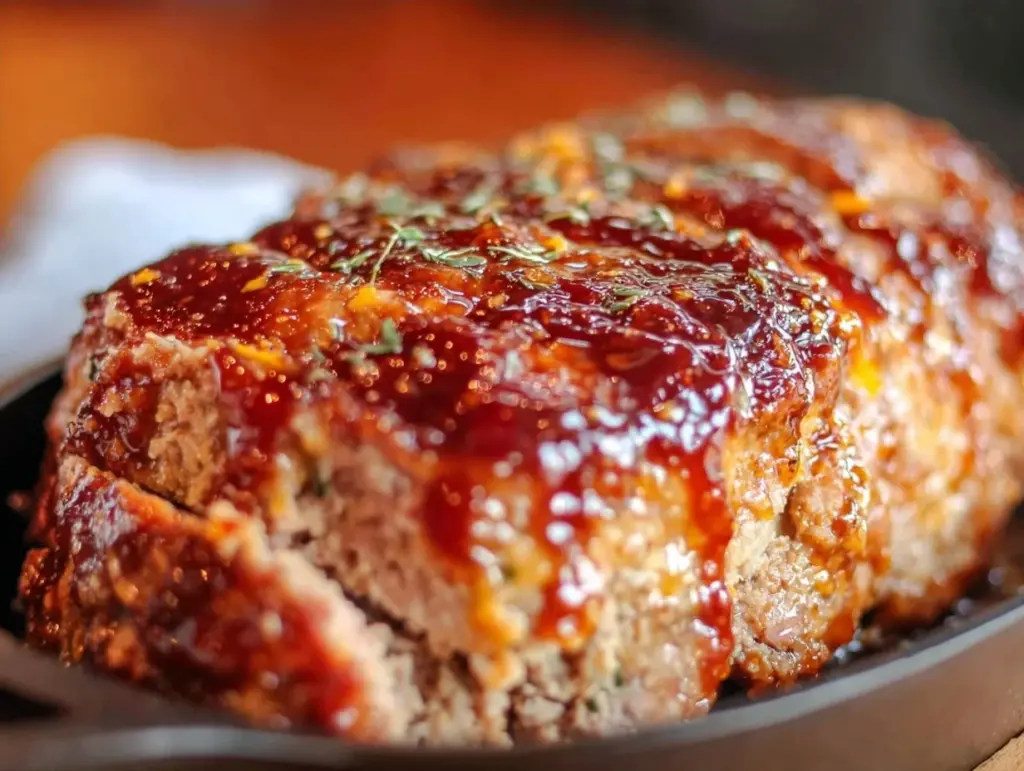
I have a confession to make. For years, I treated meatloaf like a chore. You know the kind—the kind that sits in the back of your mind, associated with beige meat, dry edges, and that weird metallic taste from a loaf pan. I avoided it. I really did. I’d order pizza or scramble together eggs if I was stuck on dinner.
Then, about two years ago, I tried something different. I stopped using a loaf pan and started using my cast iron skillet. I swapped the ketchup-heavy topping for a brown sugar and mustard glaze that actually caramelizes. And suddenly, meatloaf wasn’t a chore anymore. It became the one dish my family asks for when they want something hearty, comforting, and genuinely delicious.
This cast iron skillet meatloaf is the real deal. It’s juicy, it’s got that perfect sweet-and-savory crust, and it’s incredibly hard to mess up. Seriously, if you can mix ingredients and put them in a skillet, you can make this. It’s the kind of recipe that makes you feel like a kitchen wizard, even if you’ve never cooked a day in your life.
I’ve tested this recipe so many times—sometimes with beef, sometimes with a beef and pork mix, always with that sticky brown sugar glaze—that I’m confident in every single step. It’s become our go-to Sunday dinner, our weeknight comfort food, and even the dish I make when we have guests over because it just impresses people. And the best part? You can make it in one skillet from start to finish. Minimal cleanup, maximum flavor.
Why You’ll Love This Cast Iron Skillet Meatloaf
There are plenty of meatloaf recipes out there, but this one stands out for a few specific reasons. Here’s why it’s earned a permanent spot in my rotation:
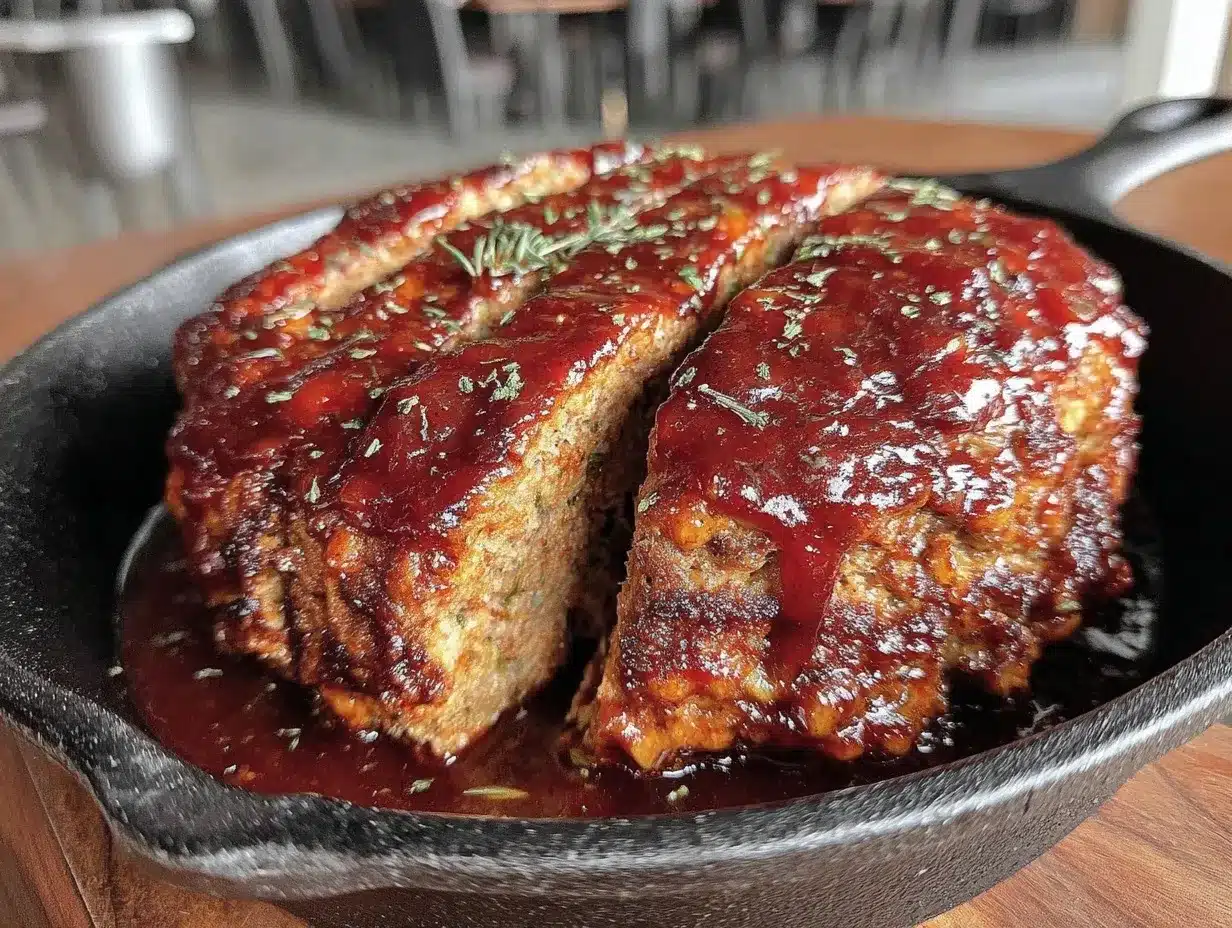
- The Skillet Makes All the Difference — Baking meatloaf in a loaf pan traps steam, making the bottom soggy. In a cast iron skillet, the meat browns on the sides and bottom, creating a crust that’s actually crispy. Plus, you can put the whole skillet on the table and serve it right from the oven. It’s rustic and beautiful.
- The Glaze is Sticky and Sweet — We’re not just slathering on ketchup here. This brown sugar, mustard, and Worcestershire glaze caramelizes in the oven. It gets sticky, tangy, and slightly sweet. It’s the kind of topping that makes people stop mid-bite and ask, “What is that sauce?”
- It’s Foolproof for Beginners — I’ve had friends who swear they “can’t cook” make this and come back for seconds. There’s no fancy technique. You mix, you shape, you bake. If you can stir a bowl, you can do this.
- It’s Juicy Every Time — The secret? I add a little milk and an egg to the meat, but I don’t overwork it. The cast iron keeps the moisture in, and the glaze seals it up. No dry, crumbly loaf here.
- One Skillet, Easy Cleanup — You mix the meat in a bowl, shape it in the skillet, bake it in the skillet, and serve from the skillet. That’s it. One dish to wash. My favorite kind of cooking.
This isn’t just dinner; it’s a hug on a plate. It’s reliable, it’s tasty, and it makes you look like you’ve been cooking for decades. Let’s get into the ingredients.
Ingredients You’ll Need
This recipe uses simple, grocery-store staples. You probably have most of this in your pantry right now. Here’s what you need, and why I pick each one:
For the Meatloaf
Ground Beef (2 pounds / 900g) — I use 80/20 ground beef. The fat is what keeps it juicy. Lean beef will make this dry, so don’t skimp. If you want a slightly lighter version, you can do half beef and half ground pork, which adds even more flavor.
Breadcrumbs (1 cup / 100g) — These act as a binder so the loaf holds together. I use plain dried breadcrumbs. Panko works too if you want a slightly lighter texture. Don’t skip this, or it’ll be a meatball soup in the oven.
Onion (1 medium, finely diced / about 150g) — I dice this super small. You want onion flavor in every bite, but nobody wants to pull out a chunk of raw onion. If you’re sensitive to onion, you can grate it instead.
Garlic (3 cloves, minced / about 1 tablespoon) — Fresh garlic is non-negotiable. Jarred garlic just doesn’t have the same punch in a dish like this. Mince it fine so it distributes evenly.
Egg (1 large) — This is the glue. It binds the meat, breadcrumbs, and spices together. One large egg is perfect for this amount of meat.
Milk (½ cup / 120ml) — This adds moisture. I use whole milk, but 2% works fine. It keeps the meat tender and prevents it from becoming dense.
Worcestershire Sauce (1 tablespoon) — This adds that deep, savory umami flavor. It’s subtle but essential. If you don’t have it, you can skip it, but the flavor won’t be as complex.
Dijon Mustard (1 tablespoon) — Not the main flavor, but it adds a nice tang and helps balance the sweetness of the glaze later.
Dried Parsley (1 teaspoon) — For a pop of herbal flavor and color. Fresh parsley works, but dried is more concentrated and easier to mix in.
Salt and Black Pepper (1 teaspoon salt, ½ teaspoon pepper) — Season the meat well. Taste a tiny bit of the raw mixture (it’s safe since it’s being cooked) to check seasoning. Adjust if needed.
For the Brown Sugar Glaze
Brown Sugar (½ cup / 100g, packed) — This is the star of the glaze. It caramelizes and gets sticky. Dark brown sugar is richer, but light works too.
Ketchup (¼ cup / 60g) — Adds acidity and tomato flavor. It balances the sweetness of the brown sugar.
Yellow Mustard (1 tablespoon) — Classic meatloaf flavor. It cuts through the richness.
Worcestershire Sauce (1 teaspoon) — More umami to tie the glaze to the meat.
Garlic Powder (½ teaspoon) — For a quick garlic boost in the glaze.
Optional: Paprika (½ teaspoon) — Adds a little color and smokiness. I like it, but it’s not mandatory.
Equipment You’ll Need
You don’t need a lot of fancy gear for this. Here’s what I actually use:
10-12 inch Cast Iron Skillet — This is the most important tool. It needs to be oven-safe. I use a Lodge skillet because it’s reliable and cheap. If you don’t have cast iron, you can use an oven-safe stainless steel or ceramic skillet, but cast iron gives the best browning.
Large Mixing Bowl — For combining the meat ingredients. A bowl with a wide mouth is easier to mix in.
Small Bowl — For mixing the glaze.
Spatula — For stirring the meat and spreading the glaze. Silicone works best.
Measuring Cups and Spoons — Standard stuff. Accuracy matters less here than in baking, but it helps.
Aluminum Foil — Optional, but useful if the top starts browning too fast before the inside is cooked.
How to Make It: Step-by-Step
Alright, let’s make this! I’m walking you through exactly how I do it, including the little tricks I’ve picked up over the years.
Step 1: Prep Your Oven and Skillet
Preheat your oven to 375°F (190°C). If you’re using a new cast iron skillet, make sure it’s well-seasoned. If it’s old, just give it a quick wipe with oil. Place the skillet on the stovetop for now, or just have it ready on the counter.
Step 2: Mix the Meatloaf Base
In your large mixing bowl, combine the ground beef, breadcrumbs, diced onion, minced garlic, egg, milk, Worcestershire sauce, Dijon mustard, dried parsley, salt, and pepper. Use your hands to mix this. Seriously, get in there. Mix until everything is just combined. Do not overmix. If you mix it too much, the meat will become dense and tough. Stop as soon as you don’t see streaks of flour or raw meat. It should look shaggy and moist.
Step 3: Shape the Loaf
Transfer the meat mixture into your cast iron skillet. Press it down firmly into an oval or rectangular shape, about 1 inch thick. Make sure the edges are smooth and the top is relatively flat. You want it to fit comfortably in the skillet with a little room around the edges for the glaze to drip down.
Step 4: Make the Glaze
In a small bowl, whisk together the brown sugar, ketchup, yellow mustard, Worcestershire sauce, garlic powder, and paprika (if using). It should be a thick, reddish-brown sauce. Taste it—it should be sweet and tangy. Adjust if you want it sweeter or more tangy.
Step 5: Bake the Meatloaf
Place the skillet in the preheated oven. Bake for 25 minutes. This initial bake cooks the meat through without drying it out. After 25 minutes, carefully remove the skillet (it will be hot!).
Step 6: Add the Glaze
Spread the brown sugar glaze evenly over the top of the meatloaf. Make sure to cover the whole top, and let some of it drip down the sides. The glaze will bubble and caramelize in the oven.
Step 7: Finish Baking
Return the skillet to the oven and bake for another 15-20 minutes. The meatloaf is done when the internal temperature reaches 160°F (71°C) on an instant-read thermometer. If the top is browning too quickly, you can loosely tent it with aluminum foil. The glaze should be sticky and caramelized, not liquid.
Step 8: Rest and Serve
Remove the skillet from the oven and let the meatloaf rest for 10 minutes. This is crucial. If you cut it immediately, the juices will run out, and it’ll be dry. Resting lets the juices redistribute. After 10 minutes, slice it thickly and serve. The glaze will be sticky and delicious.
Expert Tips & Tricks
Here’s everything I’ve learned from making this dozens of times. These tips will save you from my mistakes.
Don’t Overmix the Meat — This is the #1 mistake people make. Overmixing develops the proteins, making the meatloaf tough and rubbery. Mix gently until just combined. It should look messy.
Use a Thermometer — I know, it feels like cheating. But it’s the only way to be sure. 160°F is the safe temp for ground beef. If you pull it out too early, it’s undercooked. Too late, it’s dry. A thermometer takes the guesswork out.
Let It Rest — I can’t stress this enough. Resting for 10 minutes allows the juices to settle. If you cut it hot, it’ll fall apart and be dry. Patience pays off.
Glaze Consistency — If your glaze is too thick to spread, add a teaspoon of water. If it’s too runny, add a teaspoon of brown sugar. You want it spreadable, like a thick paste.
Skillet Safety — Cast iron gets hot. Use thick oven mitts. If your skillet has a loose handle, wrap it in foil for extra protection. Never put a hot cast iron skillet in cold water—it can warp or crack.
Leftovers — This tastes even better the next day. Store leftovers in an airtight container in the fridge for up to 4 days. Reheat in a skillet with a splash of water or microwave with a damp paper towel to keep it moist.
Variations & Substitutions
Once you’ve nailed the basic version, here’s how you can mix it up. I’ve tried all of these.
Pork and Beef Mix — Swap half the beef for ground pork. This adds richness and keeps it super juicy. My favorite combo is 50/50.
Vegetable Boost — Add ½ cup finely diced bell peppers or carrots to the meat mixture. It adds sweetness and texture. Just make sure to dice them small so they cook evenly.
Spicy Version — Add ½ teaspoon red pepper flakes to the meat mixture, or swap the yellow mustard for Dijon and add a dash of hot sauce to the glaze.
Gluten-Free — Use gluten-free breadcrumbs or crushed gluten-free crackers. Everything else is naturally gluten-free.
Dairy-Free — Skip the milk. The egg and beef fat are enough to keep it moist. Or use a dairy-free milk alternative.
Different Meats — You can use ground turkey or chicken, but it will be leaner. Add an extra tablespoon of oil to the meat mixture to compensate.
Serving & Storage
This meatloaf pairs well with almost anything. Here’s how I serve it:
Sides — Mashed potatoes are classic. Roasted potatoes, green beans, or a simple salad work too. I also love it with loaded baked potato salad for a hearty meal.
Storage — Store leftovers in an airtight container in the fridge for up to 4 days. It reheats well in a skillet with a splash of water or in the microwave.
Freezing — You can freeze cooked meatloaf slices for up to 3 months. Thaw in the fridge overnight and reheat gently.
Nutrition Information
I’m not a nutritionist, but here’s the breakdown if you’re tracking. Per serving (based on 6 servings):
- Calories: 450
- Protein: 35g
- Carbs: 25g
- Fiber: 1g
- Sugar: 15g
- Fat: 25g
- Sodium: 650mg
This is a hearty, protein-rich meal. The glaze adds sugar, so keep that in mind. But it’s real food, made from scratch, and way better than processed alternatives.
Final Thoughts
This cast iron skillet meatloaf is my answer to “what’s for dinner” when I want something simple, satisfying, and impressive. It’s forgiving, it’s tasty, and it makes you feel like a pro. Give it a try. You really can’t mess this up.
Frequently Asked Questions
Can I use a loaf pan instead of a skillet?
You can, but the texture will be different. A loaf pan traps steam, making the bottom soggy. A skillet gives you that crispy, browned crust. If you must use a loaf pan, grease it well and bake at 350°F for 50-60 minutes.
Why is my meatloaf dry?
Usually, this happens because it was overmixed or overcooked. Make sure you’re using 80/20 beef, don’t overwork the meat, and check the temperature with a thermometer. Don’t go past 160°F.
Can I make this ahead of time?
Yes! You can mix the meat, shape it in the skillet, cover it, and refrigerate for up to 24 hours. Add the glaze right before baking. It might need 5 extra minutes in the oven since it starts cold.
What if I don’t have brown sugar?
You can use white sugar, but brown sugar adds moisture and a deeper flavor. If you only have white sugar, add a teaspoon of molasses to mimic the brown sugar taste.
Is this recipe kid-friendly?
Absolutely. The sweet glaze is a hit with kids. If they’re picky, you can reduce the glaze to just ketchup and mustard, but the brown sugar version is usually a winner.
Pin This Recipe!
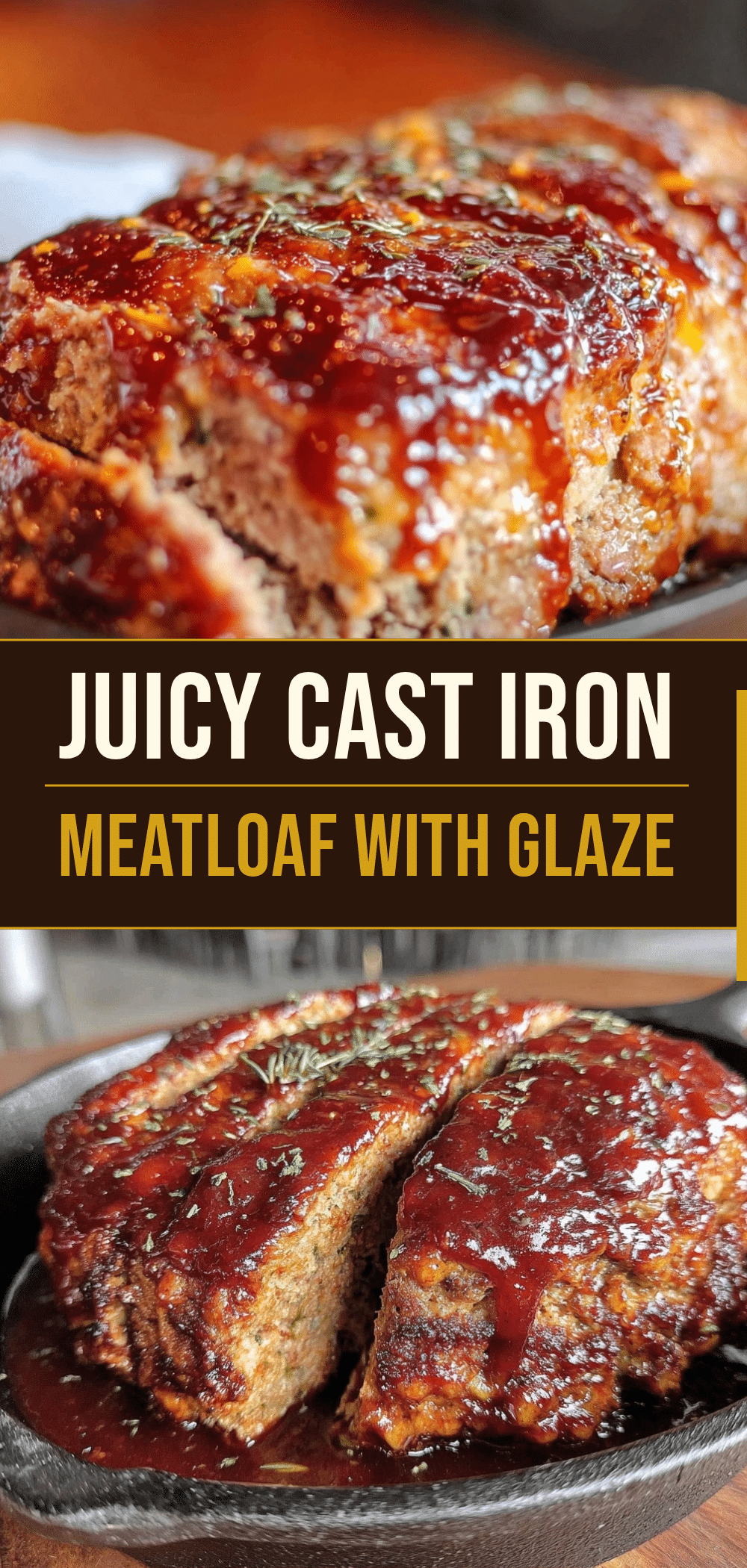
Best Cast Iron Skillet Meatloaf: Easy, Foolproof Brown Sugar Glaze
- Total Time: 60 minutes
- Yield: 6 servings 1x
Description
A juicy, foolproof meatloaf baked in a cast iron skillet with a sticky, sweet-and-savory brown sugar glaze. This one-skillet meal is easy to make, minimizes cleanup, and delivers a crispy crust without the dryness of traditional loaf pans.
Ingredients
- 2 pounds (900g) 80/20 ground beef
- 1 cup (100g) plain dried breadcrumbs
- 1 medium onion, finely diced (about 150g)
- 3 cloves garlic, minced (about 1 tablespoon)
- 1 large egg
- 1/2 cup (120ml) whole milk
- 1 tablespoon Worcestershire sauce
- 1 tablespoon Dijon mustard
- 1 teaspoon dried parsley
- 1 teaspoon salt
- 1/2 teaspoon black pepper
- 1/2 cup (100g) packed brown sugar
- 1/4 cup (60g) ketchup
- 1 tablespoon yellow mustard
- 1 teaspoon Worcestershire sauce
- 1/2 teaspoon garlic powder
- 1/2 teaspoon paprika (optional)
Instructions
- Preheat oven to 375°F (190°C).
- In a large mixing bowl, combine ground beef, breadcrumbs, diced onion, minced garlic, egg, milk, 1 tablespoon Worcestershire sauce, Dijon mustard, dried parsley, salt, and pepper.
- Mix gently with your hands until just combined. Do not overmix to avoid tough meat.
- Transfer the meat mixture to a 10-12 inch cast iron skillet. Press firmly into an oval or rectangular shape, about 1 inch thick.
- In a small bowl, whisk together brown sugar, ketchup, yellow mustard, 1 teaspoon Worcestershire sauce, garlic powder, and paprika (if using) to make the glaze.
- Bake the meatloaf in the preheated oven for 25 minutes.
- Remove skillet from oven and spread the glaze evenly over the top of the meatloaf, letting some drip down the sides.
- Return to oven and bake for another 15-20 minutes, or until internal temperature reaches 160°F (71°C).
- If the top browns too quickly, tent loosely with aluminum foil during the final bake.
- Remove from oven and let rest for 10 minutes before slicing and serving.
Notes
Do not overmix the meat to keep it tender. Use a thermometer to ensure the internal temperature reaches 160°F. Let the meatloaf rest for 10 minutes to allow juices to redistribute. Leftovers can be stored in the fridge for up to 4 days or frozen for up to 3 months.
- Prep Time: 15 minutes
- Cook Time: 45 minutes
- Category: Main Course
- Cuisine: American
Nutrition
- Serving Size: 1 slice
- Calories: 450
- Sugar: 15
- Sodium: 650
- Fat: 25
- Saturated Fat: 9
- Carbohydrates: 25
- Fiber: 1
- Protein: 35
Keywords: meatloaf, cast iron skillet, brown sugar glaze, easy dinner, comfort food, one skillet meal, ground beef recipe