
There’s a specific kind of magic that happens in my kitchen when the first real chill of autumn hits. The windows fog up, the light turns golden and low, and suddenly, the idea of a complicated, multi-component meal feels exhausting. That’s exactly where I was last Tuesday. I wanted something warm, something that smelled like comfort, but I really didn’t want to spend two hours standing over a stove stirring a pot.
Then I made this fall butternut squash and sage risotto. And honestly? I was skeptical. Risotto is usually the dish people ask for when they want to impress someone, and it’s the dish you make when you have absolutely no idea what you’re doing but want to look like a pro. It’s stressful. It’s finicky. Or so I thought.
But here’s the thing: I’ve tried the “foolproof” methods, and most of them are just marketing hype. This one actually works. It’s built on a simple principle: roasting the squash first, then letting the rice do its job with minimal fuss. It’s creamy without being heavy, savory without being complicated, and it tastes like a hug from the inside out. I’ve made this for three different groups of people now—my skeptical foodie sister, my college-aged niece who thinks she can’t cook, and my husband who just wants something warm—and every single time, the verdict is the same. It’s perfect.
If you’re looking for a dinner that feels special but doesn’t require a degree in culinary arts, this is it. It’s four ingredients. Yes, four. You really can’t mess this up.
Why You’ll Love This 4-Ingredient Dinner
I know what you’re thinking. “Risotto? Isn’t that a pain?” Let’s clear the air right now. Traditional risotto requires constant attention and a lot of elbow grease. This version? It’s forgiving. It’s beginner-proof. Here’s why this fall butternut squash and sage risotto has taken over my weekly rotation:
- Actually Simple — Seriously, if you can cube a vegetable and stir a pot, you can make this. I’ve walked my teenage nephew through it while he was on video call, and he came away with a delicious dinner and zero stress. No fancy techniques, no weird gadgets.
- Roasted Flavor Boost — By roasting the squash before it hits the rice, you get that caramelized, sweet depth that raw squash just can’t give you. It’s a game-changer that takes about 20 minutes of hands-off time.
- Sage is the Star — Fresh sage isn’t just an herb here; it’s the flavor profile. When you fry it in butter, it gets crispy and nutty, infusing the whole dish with that earthy, autumnal scent that makes people stop talking and ask for seconds.
- Creamy Without Heavy Cream — This recipe relies on the starch from the rice and a good parmesan finish for creaminess. No heavy cream needed. It’s lighter, but somehow feels just as indulgent.
- Pantry-Friendly Ingredients — You probably have most of this already. Arborio rice, butter, cheese, broth, and a squash. That’s it. It’s the ultimate “clean out the fridge” meal that turns into a gourmet experience.
- Leftovers That Taste Better — I know, risotto is best fresh. But honestly? The next day, the flavors meld together even more. It’s still creamy (add a splash of broth when reheating) and absolutely delicious.
This is my go-to when I want to feel fancy but keep my sanity intact. It’s comforting, it’s seasonal, and it’s hard to beat.
Ingredients You’ll Need
Here’s the best part: you probably have most of this already. I’m particular about a few things, but for the most part, this is straightforward stuff.
For the Roasted Squash
Butternut squash (1 medium, about 2 lbs / 900g) — Look for one that feels heavy for its size and has a matte, tan skin. Peel it, remove the seeds, and cube it into 1-inch pieces. Don’t make them too small, or they’ll turn to mush in the rice. I use a sturdy chef’s knife for this. If the squash is tough, microwave it for 2 minutes to soften it up first.
Olive oil (1 tablespoon) — Just a light toss. You want the squash to roast, not fry. Extra virgin is fine here, but regular olive oil works too.
Salt and pepper — A generous pinch of each. Season the squash well before roasting.
For the Risotto

Arborio rice (1 ½ cups / 300g) — This is non-negotiable. You need a short-grain rice with high starch content. Arborio is the standard, but Carnaroli or Vialone Nano work too. Do not use long-grain rice; it won’t get that creamy texture. I keep a bag of Arborio in my pantry specifically for nights like this.
Chicken or vegetable broth (4-5 cups / 1 liter) — Keep it warm in a separate pot while you cook. This is crucial. Adding cold broth to hot rice shocks it and stops the cooking process. Warm broth keeps the rhythm going. I use low-sodium broth so I can control the salt level.
Unsalted butter (3 tablespoons) — Divided. One tablespoon for roasting (or use oil), one tablespoon for sautéing aromatics, and one tablespoon for finishing. Good quality butter makes a huge difference in the final richness.
Yellow onion (1 medium, finely diced / about 150g) — White onion works too, but yellow is sweeter and mellows out nicely. You want it translucent, not brown.
Garlic (2 cloves, minced / about 1 tablespoon) — Don’t skimp. Garlic is essential here. Fresh only—no jarred garlic for this one.
Fresh sage leaves (10-12 leaves) — Look for bright green leaves, no yellowing. If you can’t find fresh sage, you can use 1 teaspoon dried sage, but fresh is so much better. The flavor is brighter and more aromatic.
Parmesan cheese (½ cup / 50g, freshly grated) — Buy a wedge of Parmigiano-Reggiano and grate it yourself. Pre-grated cheese has anti-caking agents that prevent it from melting smoothly. It’s worth the extra minute.
White wine (optional) (½ cup / 120ml) — A dry white wine like Sauvignon Blanc or Pinot Grigio adds brightness. If you don’t drink alcohol, substitute with an extra cup of warm broth. I usually skip it for a simpler version, but it does add a nice complexity.
Equipment Needed
You don’t need fancy equipment for this. Here’s what I actually use:
Baking sheet — A standard 13×9 inch pan is perfect for roasting the squash. Line it with parchment paper for easy cleanup.
Large skillet or Dutch oven — I use a 12-inch stainless steel skillet. It needs to be wide enough to spread the rice out a bit, which helps it cook evenly. A Dutch oven works great too if you prefer one-pot cooking.
Wooden spoon — For stirring. Silicone works too. Don’t use metal on non-stick surfaces.
Measuring cups and spoons — Standard stuff.
Small saucepan — For keeping the broth warm. Or just keep it on the stove on low heat.
Sharp knife and cutting board — For prepping the squash and aromatics. A dull knife is dangerous and frustrating. Sharpen yours.
How to Make It: Step-by-Step
Alright, let’s make this! I’m walking you through exactly how I do it, including the little tricks I’ve picked up.
Step 1: Roast the Squash (25-30 minutes)
Preheat your oven to 400°F (200°C). While it heats, peel the butternut squash. This is the only hard part. Use a sturdy vegetable peeler or a sharp knife. Scoop out the seeds (save them if you want to roast them later—they’re tasty!). Cube the flesh into 1-inch pieces. Toss them on a baking sheet with olive oil, salt, and pepper. Spread them out in a single layer. Roast for 25-30 minutes until tender and slightly caramelized on the edges. Set aside. This step builds the flavor foundation.
Step 2: Start the Base (3 minutes)
In your large skillet or Dutch oven, melt 1 tablespoon of butter over medium heat. Add the diced onion and a pinch of salt. Cook for 3-4 minutes until the onion is soft and translucent. Don’t rush this; you want it sweet, not browned. Add the minced garlic and cook for just 30 seconds until fragrant. Be careful not to burn the garlic.
Step 3: Toast the Rice (2 minutes)
Add the Arborio rice to the pan with the onions. Stir constantly for 1-2 minutes. The rice should look slightly translucent around the edges and smell nutty. This toasting step is important—it coats the grains in fat and helps them absorb the broth later without getting mushy.
Step 4: Add Liquid and Simmer (15-18 minutes)
If using wine, pour it in now and stir until it’s mostly absorbed. Then, start adding the warm broth, one ladle (about ½ cup) at a time. Stir frequently. Wait until the liquid is mostly absorbed before adding the next ladle. This process takes about 15-18 minutes. The rice should be tender but still have a slight bite (al dente). Don’t overcook it! It will continue to cook a bit when you add the cheese.
Step 5: Fry the Sage (1 minute)
While the rice is cooking, heat a small separate pan with a little butter or oil. Toss in the sage leaves. Fry them for 30-60 seconds until they’re crispy and dark green. Remove them with a slotted spoon and set aside on a paper towel. This makes them a crunchy garnish and adds bursts of flavor.
Step 6: Combine and Finish (2 minutes)
When the rice is cooked, remove the pan from the heat. Stir in the roasted squash and the remaining 1 tablespoon of butter. Let it sit for 1 minute. Then, stir in the grated Parmesan cheese until melted and creamy. Taste and adjust salt and pepper. The consistency should be loose and creamy, like soft porridge. If it’s too thick, add a splash more warm broth.
Step 7: Serve
Serve immediately, topped with the crispy fried sage leaves and a crack of black pepper. It’s simple, elegant, and ready in under an hour.
Expert Tips & Tricks
Here’s everything I’ve learned from making this dozens of times. These tips will save you from my mistakes.
- Keep the Broth Warm — This is the #1 tip. Cold broth stops the cooking process and makes the rice grainy. Keep your broth simmering gently in a separate pot or microwave it between additions.
- Don’t Rush the Stirring — You don’t need to stir every second, but you do need to stir often. This releases the starch. If you walk away for 10 minutes, you’ll have sticky, clumpy rice.
- Toast the Rice Well — Take the time to toast the rice in the butter. It adds a nutty depth that makes the final dish taste more expensive.
- Fry the Sage Separately — Don’t just throw the sage into the risotto at the end. Frying it in butter makes it crispy and releases its essential oils. It’s a texture and flavor game-changer.
- Finish Off Heat — Always add the cheese and final butter off the heat. High heat can make the cheese grainy or break the emulsion. Gentle heat keeps it silky.
Variations & Substitutions
Once you’ve nailed the basic version, here’s how you can mix it up. I’ve tried all of these.
- Vegetarian/Vegan — Use vegetable broth instead of chicken broth. Use vegan butter and nutritional yeast instead of Parmesan. It’s still delicious.
- With Protein — Add cooked chicken, sausage, or shrimp. I love adding crispy bacon bits on top for a savory crunch. It’s similar in spirit to a loaded baked potato salad but in a warm, creamy format.
- With Mushrooms — Sauté sliced cremini mushrooms with the onions for an earthy twist. Mushroom risotto is a classic for a reason.
- With Peas — Stir in a cup of frozen peas at the very end. They add a pop of color and sweetness that pairs beautifully with the sage.
- Gluten-Free — Arborio rice is naturally gluten-free. Just ensure your broth and cheese are certified gluten-free. It’s a naturally GF dish.
Serving & Storage
How to Serve: I usually serve this straight from the skillet. It looks rustic and stays warm. Pair it with a simple green salad with vinaigrette to cut through the richness. A glass of Pinot Grigio or Chardonnay is perfect here. It’s also a great side dish if you’re serving a roast or creamy beef stroganoff for a hearty meal.
Refrigerator: Store in an airtight container for up to 3 days. The rice will thicken as it cools. This is normal.
Reheating: Add a splash of broth or milk to the rice when reheating. Heat gently on the stove over low heat, stirring frequently. The microwave works too, but add liquid first or it will dry out.
Freezing: I don’t recommend freezing this. The texture of the rice changes significantly after freezing and thawing. It becomes mushy. Make it fresh whenever possible.
Nutrition Information
I’m not a nutritionist, but here’s the breakdown if you’re tracking. This is per serving (based on 4 servings).
- Calories: 380
- Protein: 12g
- Carbs: 55g
- Fiber: 4g
- Fat: 14g
- Sodium: 650mg
It’s a hearty meal, rich in carbs from the rice and squash, with a good amount of fiber. The sodium can be controlled by using low-sodium broth. It’s comfort food, so enjoy it guilt-free!
Final Thoughts
So that’s my fall butternut squash and sage risotto! I know risotto has a reputation for being difficult, but this method proves you really can’t mess it up. It’s forgiving, it’s flavorful, and it’s incredibly satisfying. It’s the kind of dish that makes you feel like a great cook, even if you’re a beginner.
Make it yours! Add some peas, swap the squash for pumpkin, or throw in some crispy bacon. The best recipes are the ones you adapt to your taste. If you make this, drop a comment and let me know what you think! I love hearing how recipes turn out in your kitchen.
Happy cooking! And I hope your kitchen smells half as good as mine does right now.
Frequently Asked Questions
Can I use long-grain rice instead of Arborio?
No, I don’t recommend it. Long-grain rice doesn’t have the same starch content, so you won’t get that creamy, cohesive texture. Arborio, Carnaroli, or Bomba rice are the only ones that work for traditional risotto.
Why is my risotto too watery?
You probably didn’t cook it long enough, or you added too much broth. Risotto should be loose but not soupy. If it’s too thin, cook it a bit longer, stirring constantly, to release more starch. If it’s already done, you can add a little more cheese to help thicken it.
Why is my risotto too dry?
You might have used too little broth or cooked it too long. Risotto should be “all’onda” (wavy). If it’s stiff, add a splash of warm broth and stir vigorously to loosen it up.
Can I make this ahead of time?
Not really. Risotto is best served immediately. The rice continues to absorb liquid even after you take it off the heat. If you must prep ahead, cook the squash and chop the aromatics in advance. Then just cook the rice when you’re ready to eat.
Can I use frozen butternut squash?
You can, but it won’t roast properly. Frozen squash releases a lot of water and can become mushy. If you use frozen, thaw it first and pat it very dry, then roast it at a higher temperature to get some browning. Fresh is always better for this recipe.
What wine should I use?
Use a dry white wine you would drink. Sauvignon Blanc, Pinot Grigio, or Chardonnay are all good choices. Avoid cooking wines, as they often have added salt and preservatives that taste bad.
Pin This Recipe!
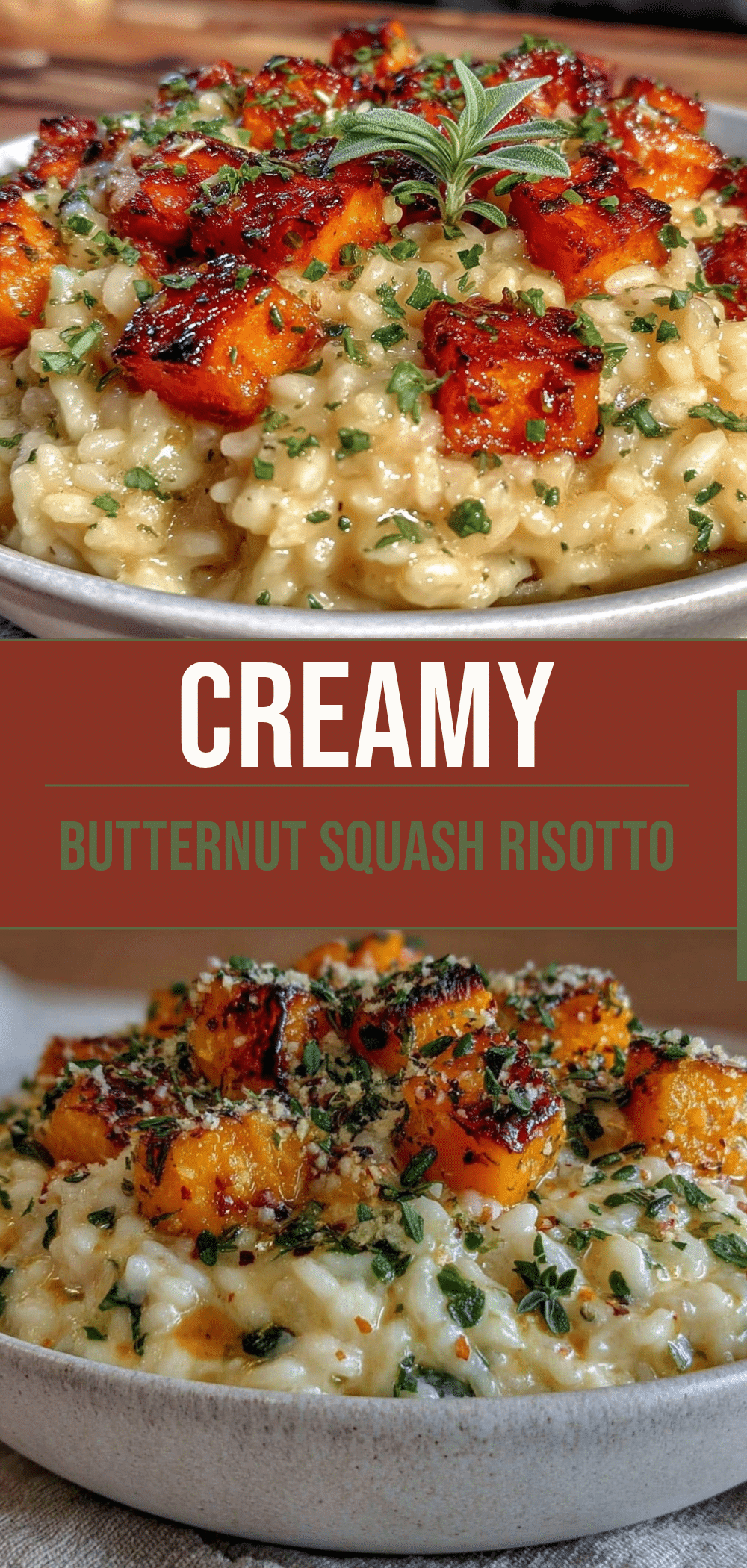

Fall Butternut Squash and Sage Risotto: 4-Ingredient Foolproof Dinner
- Total Time: 60 minutes
- Yield: 4 servings 1x
Description
A creamy, comforting autumn risotto made with roasted butternut squash and crispy sage. This foolproof method eliminates the stress of traditional risotto, resulting in a gourmet meal with minimal effort.
Ingredients
- 1 medium butternut squash (about 2 lbs / 900g), peeled, seeded, and cubed into 1-inch pieces
- 1 tablespoon olive oil
- Salt and pepper, to taste
- 1 ½ cups Arborio rice (300g)
- 4–5 cups chicken or vegetable broth (1 liter), kept warm
- 3 tablespoons unsalted butter, divided
- 1 medium yellow onion, finely diced
- 2 cloves garlic, minced
- 10–12 fresh sage leaves
- ½ cup freshly grated Parmesan cheese (50g)
- ½ cup dry white wine (optional)
Instructions
- Preheat oven to 400°F (200°C). Toss cubed squash with olive oil, salt, and pepper. Roast on a baking sheet for 25-30 minutes until tender and caramelized. Set aside.
- In a large skillet or Dutch oven, melt 1 tablespoon butter over medium heat. Add diced onion and a pinch of salt; cook for 3-4 minutes until translucent. Add garlic and cook for 30 seconds until fragrant.
- Add Arborio rice to the pan. Stir constantly for 1-2 minutes until the rice is slightly translucent and smells nutty.
- If using wine, pour it in and stir until absorbed. Add warm broth one ladle (about ½ cup) at a time, stirring frequently and waiting for liquid to absorb before adding more. Continue for 15-18 minutes until rice is al dente.
- While rice cooks, fry sage leaves in a small pan with a little butter or oil for 30-60 seconds until crispy. Remove and set aside.
- Remove risotto from heat. Stir in roasted squash and remaining 1 tablespoon butter. Let sit for 1 minute, then stir in Parmesan cheese until melted and creamy. Adjust seasoning with salt and pepper.
- Serve immediately, topped with crispy sage leaves and black pepper.
Notes
Keep the broth warm to ensure even cooking. Do not rush the stirring process to release starch. Finish the dish off the heat to keep the cheese silky. Risotto is best served fresh; freezing is not recommended as the texture will become mushy.
- Prep Time: 15 minutes
- Cook Time: 45 minutes
- Category: Main Course
- Cuisine: Italian
Nutrition
- Serving Size: 1 plate
- Calories: 380
- Sugar: 6
- Sodium: 650
- Fat: 14
- Saturated Fat: 7
- Carbohydrates: 55
- Fiber: 4
- Protein: 12
Keywords: butternut squash risotto, sage risotto, fall recipes, easy risotto, vegetarian dinner, comfort food, autumn cooking, gluten-free dinner