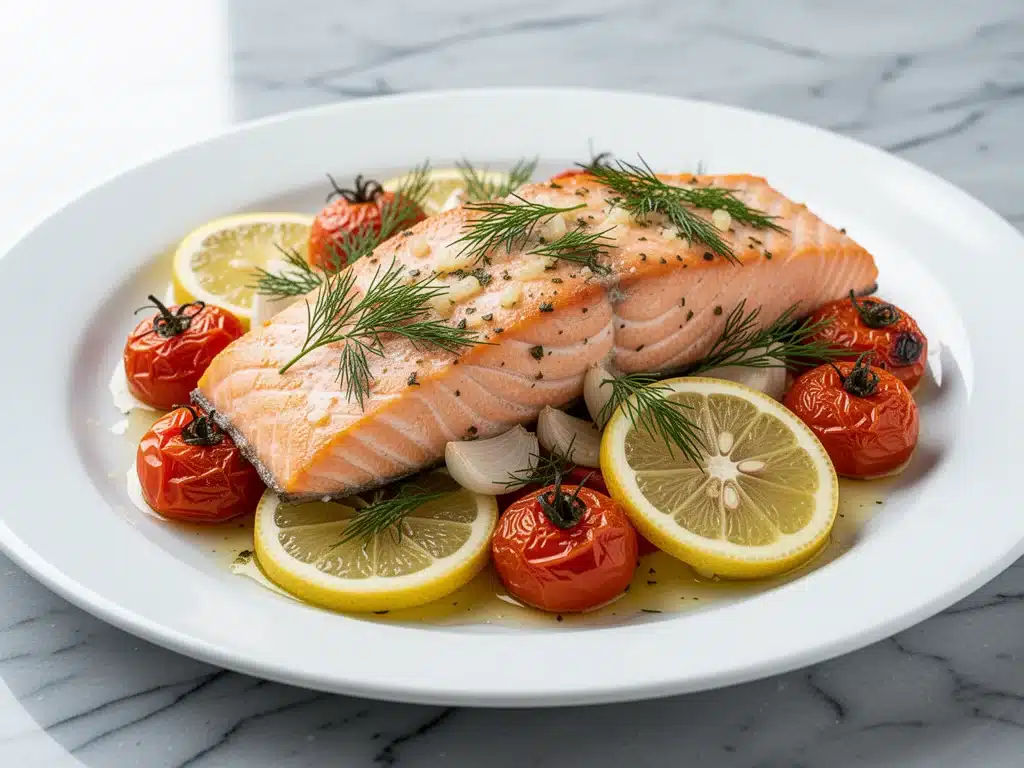
There was this one Tuesday in late July when I was standing in my kitchen, staring at a raw salmon fillet like it owed me money. I had just come home from a stressful day at work, my phone was buzzing with emails I didn’t want to answer, and the last thing I wanted to do was stand over a hot stove. I wanted flavor. I wanted something that felt fancy and intentional, but I needed it to happen without me sweating or doing complicated prep. So I did what I always do when I’m too tired to think: I threw lemon, garlic, and dill on the fish and popped it in the oven.
I expected dinner. I got magic.
When I pulled that tray out of the oven, the smell hit me first—bright citrus, pungent garlic, and that sweet, grassy scent of fresh dill. It smelled like a vacation, not a weeknight meal. My husband walked in, sniffed the air, and actually stopped mid-step. “What is that?” he asked. “That smells like a restaurant,” he added, which is high praise coming from a guy who usually thinks “fancy” means ordering takeout from the Thai place down the street. We ate it straight off the baking sheet because we couldn’t wait for plates. It was flaky, juicy, and packed with more flavor than any takeout box I’ve ever opened.
That accidental dinner became a staple. This Mediterranean Baked Salmon with Lemon Garlic and Fresh Dill isn’t just a recipe; it’s my emergency button for bad days. It’s the kind of meal that makes you feel like you’re a better cook than you actually are. And the best part? It takes exactly 20 minutes from start to finish. No marinating overnight. No complicated techniques. Just good fish, good ingredients, and an oven that does all the heavy lifting.
I’ve tested this method probably fifty times over the last two years, tweaking the amount of garlic (always more is better) and the lemon ratio (you want it bright, not sour). I’ve served this to picky eaters, health nuts, and people who claim they “don’t like fish.” Every single time, the verdict is the same: it’s better than takeout, it’s healthier, and it costs a fraction of the price. If you’re looking for a weeknight dinner that feels special but requires zero stress, you need to make this tonight.
Why You’ll Love This Mediterranean Salmon Recipe
Look, I get it. Weeknights are hard. You’re tired, the kids are hungry, and the idea of cooking feels like a chore. This baked salmon changes the game because it removes all the friction. Here’s why this has earned a permanent spot in my rotation:
It’s Actually Healthy — I’m not talking about sad, bland diet food. This is real food. Salmon is packed with omega-3s and protein, and the lemon-garlic dill topping adds massive flavor without a single drop of heavy cream or unnecessary butter. It’s clean, it’s vibrant, and you actually feel good after eating it. I love pairing it with a simple Mediterranean chickpea salad for a complete, nutrient-dense meal that takes even less effort.
Zero Cleanup Drama — This is the real reason I keep making it. You mix the sauce, rub it on the fish, throw it on a parchment-lined sheet pan, and pop it in the oven. When you’re done, you have one tray and one bowl to wash. That’s it. No splattering grease, no scrubbing pots, no standing over a stove for 30 minutes. It’s the ultimate low-effort, high-reward dinner.
Restaurant-Quality Flavor — People always ask me how I make fish taste so good without frying it. The secret is the acid and the fat working together. The lemon juice cuts through the richness of the salmon, while the olive oil keeps it moist. The dill adds that fresh, herbal note that makes it taste expensive. It’s the kind of flavor profile you pay $25 for at a seaside bistro, but it takes 20 minutes to make at home.
It’s Foolproof — I’ve made this for beginners who have never cooked a day in their lives, and they’ve nailed it. Salmon is forgiving. If you overcook it by two minutes, it’s still edible. If you undercook it slightly, it’s still delicious. You can’t really mess this up. It’s confidence-building food.
Budget-Friendly — Salmon can be pricey, but it’s versatile. You can buy a big family pack and freeze half, or just get two fillets for a quick dinner. Compared to ordering delivery, which easily runs $40 with tips and fees, this meal costs maybe $15 for a family of four. That’s savings I can put toward something else.
This recipe is my go-to when I need dinner to just work. No stress, no mess, just reliable, delicious food that makes everyone at the table happy. It’s the kind of meal that reminds you why cooking at home is worth it.
Ingredients You’ll Need
Here’s the thing about this recipe: it’s simple because the ingredients speak for themselves. You don’t need a weird pantry full of obscure spices. You just need a few high-quality basics. I’m particular about three things here: the fish, the garlic, and the dill. If you get those right, you’re golden.
Salmon Fillets (1.5 to 2 pounds / 700-900g) — This is the star. I prefer wild-caught Alaskan salmon if I can find it and afford it, but farmed Atlantic works perfectly fine too. Look for fillets that are about 1-inch thick. They cook evenly and stay moist. If your fillets are huge, you might need to cut them in half so they cook at the same rate. Uniformity is key for even cooking.
Extra Virgin Olive Oil (¼ cup / 60ml) — Use the good stuff here. Since there’s no heavy sauce to hide behind, the olive oil’s flavor matters. I keep a bottle of mild extra virgin for everyday cooking and a stronger, peppery one for finishing. For this, a standard good-quality extra virgin is perfect. It adds richness and helps the garlic stick.
Garlic (4-5 cloves, minced / about 2 tablespoons) — Fresh garlic only. Please, I beg you, do not use the jarred stuff for this. Jarred garlic has a metallic, preserved taste that clashes with the fresh lemon. Fresh garlic, minced to a paste, brings that sharp, aromatic punch that defines this dish. If you’re worried about chopping, use a garlic press—it’s faster and gets all the flavor out.
Fresh Lemon (2 lemons) — You need both juice and zest. Zest is the colorful outer skin, and it holds all the essential oils. It’s where the bright, citrusy flavor lives. Juice is for acidity. I squeeze one lemon for the juice and zest the other for the topping. If you’re in a pinch, bottled lemon juice works for the acid, but you cannot skip the zest. It’s non-negotiable for flavor.
Fresh Dill (2 tablespoons, chopped / about 10-15g) — Fresh dill is essential. Dried dill just doesn’t have that same grassy, anise-like brightness. It can taste dusty and old. Buy a fresh bunch from the grocery store—they’re cheap and last forever in the fridge if you wrap them in a damp paper towel. I usually have dill in my crisper drawer anyway because I use it in creamy pasta salads and potato dishes too.
Red Pepper Flakes (½ teaspoon) — Optional, but I highly recommend it. Just a pinch adds a subtle warmth that balances the cold lemon. It’s not spicy-hot; it’s just a background hum of heat that keeps the flavor interesting.
Sea Salt and Black Pepper — To taste. I use flaky sea salt for finishing because it looks pretty and adds a nice crunch, but kosher salt works great for seasoning before cooking.
Lemon Slices (1 lemon, thinly sliced) — These go on top of the fish while it bakes. They infuse the fish with citrus steam and look beautiful when you serve it. Thin slices are best so they cook down nicely.
Pro Tip on Fish Selection: When you’re at the seafood counter, ask the fishmonger to skin the fillets for you if you don’t want to deal with it. Also, check the smell—it should smell like the ocean, not fishy. If it smells strong, put it back.
Equipment Needed
You don’t need fancy gear for this. I cook this in my normal kitchen with normal tools. Here’s what I actually use:
Baking Sheet (Sheet Pan) — I use a standard half-sheet pan (18×13 inches). It’s big enough to hold four fillets without them touching. If they touch, they steam instead of bake, and you want that nice edge. My old, slightly dented pan works just fine. It doesn’t need to be new.
Parchment Paper — This is the cleanup hero. Line your sheet pan with parchment. It prevents sticking and means you can just throw the paper away when you’re done. No scrubbing baked-on garlic and lemon residue. I buy the unbleached kind because I like the eco-friendly vibe.
Small Mixing Bowl — Just a regular 2-cup bowl to mix the olive oil, garlic, lemon zest, and dill. It keeps the topping separate so you don’t get wet hands while handling the raw fish.
Microplane or Fine Grater — For the lemon zest. A microplane is my favorite because it gets all the zest without the bitter white pith. But a standard box grater works too. Just be gentle.
Sharp Knife and Cutting Board — For chopping the dill and slicing the lemon. A dull knife is dangerous and annoying. Keep it sharp.
Citrus Juicer — Optional, but I use a handheld squeeze juicer because it’s faster than squeezing by hand and less messy. My hands stay clean, which is a win in my book.
Spatula — To transfer the fish to the plate. A thin, flexible spatula works best so you don’t break the delicate flakes.
That’s really it. No food processor, no fancy thermometer (though you can use one if you’re paranoid about doneness), no special pans. Just basic kitchen staples.
How to Make It: Step-by-Step
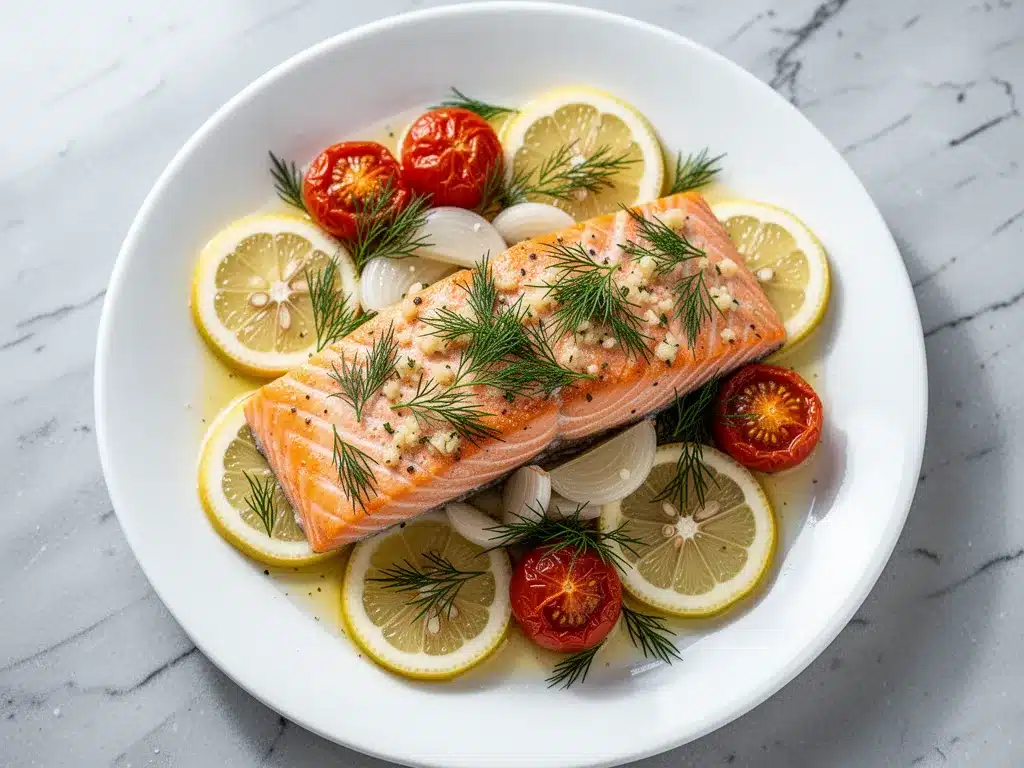
Alright, let’s get this done. It’s fast, so have everything prepped before you turn on the oven. Here’s exactly how I do it, step by step.
Step 1: Prep the Oven and Pan (2 minutes)
Preheat your oven to 400°F (200°C). This is a relatively high heat, which cooks the salmon quickly and keeps it moist inside while giving the edges a slight char. Line your baking sheet with parchment paper. I like to grease the parchment lightly with a little olive oil just to be extra safe, though it’s usually not needed.
Step 2: Prepare the Salmon (3 minutes)
Rinse your salmon fillets under cold water and pat them completely dry with paper towels. This is crucial. Wet fish steams. Dry fish bakes. If the fillets are very thick or uneven, tuck under the thinner ends so they cook evenly. Place them on the prepared baking sheet, skin-side down if they have skin. Space them out so they aren’t touching. If they’re crowded, cook in two batches. Trust me on this.
Step 3: Make the Lemon-Dill Topping (2 minutes)
In your small mixing bowl, combine the minced garlic, lemon zest, chopped fresh dill, red pepper flakes, and a pinch of salt and pepper. Pour in the ¼ cup of olive oil. Stir it all together with a fork until it forms a thick, fragrant paste. The oil will help the herbs stick to the fish. Smell it—that’s the good stuff.
Step 4: Season and Top the Fish (2 minutes)
Sprinkle the salmon fillets lightly with salt and pepper. Then, spoon the lemon-dill-garlic paste generously over the top of each fillet. Use the back of a spoon to spread it evenly, making sure to cover the top surface. Don’t be shy with the topping; this is where all the flavor is.
Step 5: Add Lemon Slices and Bake (12-15 minutes)
Take your second lemon and slice it into thin rounds. Lay 2-3 slices on top of each fillet. This infuses the fish with steam and citrus aroma as it cooks. Place the baking sheet in the preheated oven. Bake for 12-15 minutes. The exact time depends on the thickness of your fillets. A general rule: 10 minutes per inch of thickness. If your fillets are 1-inch thick, aim for 12 minutes. If they’re thicker, go for 14-15.
Step 6: Check for Doneness (1 minute)
Open the oven and check the fish. It’s done when it turns from translucent orange to opaque pink and flakes easily with a fork. If you press it gently, it should feel firm but still springy. If it’s still raw in the center, give it another 2-3 minutes. Do not overcook it, or it will be dry. Salmon continues to cook slightly after you take it out, so pull it when it’s just barely done.
Step 7: Serve Immediately
Remove from the oven and let it rest for 2 minutes. This lets the juices redistribute. Serve hot, with extra lemon wedges on the side for squeezing. Garnish with a few more fresh dill sprigs if you want it to look pretty. Pair it with your favorite sides and dig in.
Total time: About 20 minutes. Active time: 10 minutes. Hands-off time: 15 minutes. It’s that easy.
Expert Tips & Tricks
I’ve made this dozens of times, and I’ve learned a few things along the way. These tips will save you from common mistakes and ensure your salmon is perfect every time.
Don’t Overcrowd the Pan
This is the #1 mistake people make. If you pack the fillets too close together, they steam instead of bake. The edges get soggy instead of slightly crispy. Give each fillet its own space. If you’re cooking for four people and your pan is small, do two batches. It’s worth the extra 15 minutes.
Pat the Fish Dry
I know it’s annoying, but drying the salmon with paper towels before seasoning makes a huge difference. Moisture is the enemy of good texture. Dry fish = better flavor absorption and better texture.
Use Fresh Herbs Only
I cannot stress this enough. Fresh dill is non-negotiable for this recipe. Dried dill tastes like hay. If you absolutely must use dried (like if you’re camping), use half the amount, but fresh is best. I keep fresh dill in my fridge wrapped in a damp paper towel in a ziplock bag—it lasts for weeks.
Don’t Skip the Zest
Lemon juice provides acidity, but lemon zest provides aroma. The oils in the zest are what make the dish smell amazing. Use a microplane or fine grater to get just the yellow part. Avoid the white pith, which is bitter.
Rest Before Serving
Let the fish rest for 2-3 minutes after taking it out of the oven. This allows the juices to settle back into the flesh. If you cut into it immediately, the juices run out, and the fish dries up. Patience pays off.
Pro Trick: The Fork Test
To check doneness, take a fork and gently twist a flake of the thickest part of the fish. If it flakes apart easily and is opaque throughout, it’s done. If it’s still translucent or resistant, give it more time.
Make-Ahead Strategy
You can prep the lemon-dill topping up to 24 hours in advance and store it in the fridge. Just bring it to room temperature before using. You can also season the fish ahead of time, but add the topping right before baking so the herbs don’t wilt.
Variations & Substitutions
Once you’ve mastered the basic version, here’s how you can mix it up. I’ve tried all of these, and they all work.
Caprese Salmon
Skip the dill and garlic. Top the salmon with thin slices of fresh mozzarella, cherry tomatoes, and fresh basil. Drizzle with balsamic glaze after baking. It’s a totally different vibe but equally delicious.
Honey Mustard Salmon
Mix 2 tablespoons of Dijon mustard with 1 tablespoon of honey and 1 tablespoon of olive oil. Spread over the fish before baking. Add a sprinkle of thyme. Sweet and tangy, perfect for kids.
Herb Butter Salmon
Instead of olive oil, use 4 tablespoons of softened butter mixed with parsley, chives, and garlic. Place a dollop on top of each fillet before baking. Richer and more decadent.
Spicy Cajun Salmon
Skip the lemon and dill. Use 1 tablespoon of Cajun seasoning mixed with olive oil and garlic. Add extra red pepper flakes. Smoky and spicy, great with cornbread.
Dietary Modifications:
Gluten-Free: This recipe is naturally gluten-free. Just check your seasoning blends to ensure no hidden gluten.
Dairy-Free: This is naturally dairy-free. Olive oil replaces butter.
Keto/Low-Carb: Perfect for keto. Just skip the starchy sides and serve with cauliflower rice or a green salad.
Protein Swaps:
You can use this same method for other white fish like cod, halibut, or trout. Just reduce the baking time slightly (10-12 minutes) since they’re thinner. Shrimp also works—cook for 5-7 minutes.
Serving & Storage
How to Serve:
I usually serve this straight from the baking sheet for a rustic, family-style dinner. It looks beautiful with the lemon slices and green dill. Here are some sides I love:
- Rice or Quinoa: Fluffy basmati rice or lemon-herb quinoa soaks up the juices.
- Roasted Vegetables: Asparagus, broccoli, or green beans roasted alongside the salmon. Just add them to the pan for the last 10 minutes.
- Simple Green Salad: Arugula with lemon vinaigrette cuts through the richness.
- Mediterranean Chickpea Salad: A cold, crunchy salad that complements the warm fish perfectly.
Storage:
Refrigerator: Store leftovers in an airtight container for up to 3 days. The salmon will keep well, though the texture might soften slightly. Reheat gently in the microwave or a skillet over low heat.
Freezing: I don’t recommend freezing cooked salmon. It tends to get dry and mushy when thawed. If you want to freeze, freeze the raw fillets with the topping, then bake from frozen (add 5-7 minutes to cook time).
Reheating: To reheat, add a splash of water or broth to the pan and cover loosely with foil. Heat in the oven at 300°F for 10 minutes. This keeps it moist. Avoid the microwave if you can—it tends to rubberize the fish.
Nutrition Information
I’m not a nutritionist, but here’s the breakdown if you’re tracking. This is per serving (based on 4 servings).
| Nutrient | Amount |
|---|---|
| Calories | 320 |
| Protein | 34g |
| Carbs | 2g |
| Fiber | 0.5g |
| Sugar | 0.5g |
| Fat | 18g |
| Saturated Fat | 2.5g |
| Cholesterol | 85mg |
| Sodium | 280mg |
What’s Good: High in protein and omega-3 fatty acids. Very low in carbs. Good source of vitamin D and B12.
What to Know: The calories come mainly from the olive oil. If you’re watching fat intake, you can reduce the oil to 2 tablespoons. The sodium is moderate, depending on how much salt you add.
My Take: This is healthy, nutrient-dense food. It’s not a diet recipe, but it’s far better than takeout. I enjoy it as part of a balanced diet, often with lots of vegetables on the side.
Final Thoughts
So that’s my go-to Mediterranean Baked Salmon with Lemon Garlic and Fresh Dill! I’ve probably talked your ear off at this point, but when you make a recipe this often, you have a lot to say about it. This has saved weeknight dinners more times than I can count. It’s my answer to “what’s for dinner” when I’m tired, don’t want takeout, and still want something that tastes really good.
My kids are happy, my husband’s happy, and I’m happy because I’m not stressed about cooking. It’s simple, it’s healthy, and it tastes amazing. Make it yours! Try different herbs, swap in your favorite vegetables, adjust the garlic (though more is always better in my opinion). The best recipes are the ones you adapt to your family’s tastes.
If you make this, drop a comment and let me know what you think! I love hearing how recipes turn out in your kitchen. And if something doesn’t work, tell me that too—I’m here to help troubleshoot. Happy cooking! And I hope your kitchen smells half as good as mine does right now.
Frequently Asked Questions
Can I use frozen salmon?
Yes, but you need to thaw it completely first. Pat it dry very well before seasoning. Frozen salmon can release more water, so drying it thoroughly is key to getting good texture. I prefer fresh, but frozen works in a pinch.
Why did my salmon turn out dry?
Most likely, you overcooked it. Salmon cooks very quickly. If you leave it in the oven for 20 minutes, it will be dry. Check it at 12 minutes. It should be opaque and flake easily. Also, make sure your oven is actually at 400°F. Ovens can run hot or cold, so an oven thermometer helps.
Can I use dried dill instead of fresh?
You can, but the flavor won’t be the same. Dried dill is more subtle and earthy. If you use dried, use about 1 teaspoon instead of 2 tablespoons fresh. But fresh is definitely better for this bright, summery flavor.
How do I store leftovers?
Store in an airtight container in the fridge for up to 3 days. Reheat gently in the oven or skillet with a splash of water to keep it moist. Avoid the microwave if possible.
Can I make this in an air fryer?
Yes! Cook at 400°F for 8-10 minutes. You might need to cook in batches depending on the size of your air fryer basket. Check for doneness early.
What sides go well with this?
I love it with roasted asparagus, quinoa, or a simple green salad. A bacon-wrapped green bean bundles add a nice crunch and savory element. Any vegetable that can roast in 15 minutes works.
Is this recipe gluten-free?
Yes, this recipe is naturally gluten-free. Just ensure your seasonings and any added ingredients are certified gluten-free if you have celiac disease.
Pin This Recipe!
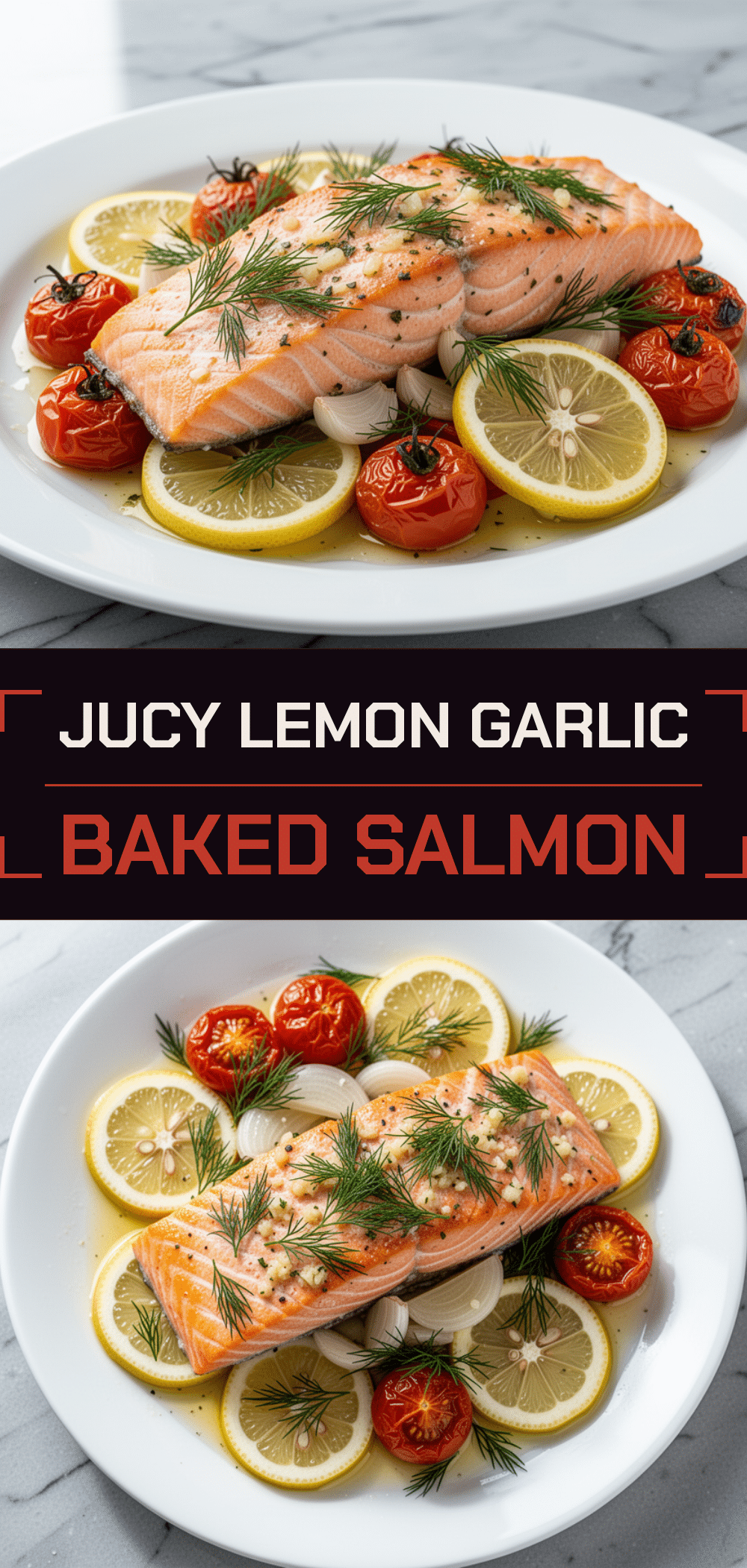
Mediterranean Baked Salmon with Lemon Garlic and Fresh Dill
- Total Time: 20 minutes
- Yield: 4 servings 1x
Description
A quick, healthy, and flavorful weeknight dinner that takes only 20 minutes to prepare. This baked salmon features a bright lemon-garlic-dill topping, requiring minimal cleanup and delivering restaurant-quality taste.
Ingredients
- 1.5 to 2 pounds salmon fillets (about 1-inch thick)
- 1/4 cup extra virgin olive oil
- 4–5 cloves garlic, minced
- 2 lemons (one for juice/zest, one for slicing)
- 2 tablespoons fresh dill, chopped
- 1/2 teaspoon red pepper flakes (optional)
- Sea salt and black pepper to taste
- 1 lemon, thinly sliced
Instructions
- Preheat oven to 400°F (200°C). Line a baking sheet with parchment paper.
- Rinse salmon fillets and pat them completely dry with paper towels. Place on the prepared baking sheet, ensuring they are not touching.
- In a small mixing bowl, combine minced garlic, lemon zest, chopped fresh dill, red pepper flakes, and a pinch of salt and pepper. Stir in the olive oil to form a paste.
- Sprinkle salmon fillets lightly with salt and pepper. Spoon the lemon-dill-garlic paste generously over the top of each fillet, spreading it evenly.
- Lay 2-3 thin lemon slices on top of each fillet.
- Bake for 12-15 minutes, or until the salmon turns from translucent orange to opaque pink and flakes easily with a fork.
- Remove from oven and let rest for 2 minutes before serving.
Notes
Pat the fish dry before seasoning to ensure proper baking texture. Do not overcrowd the pan; cook in batches if necessary. Fresh dill and lemon zest are essential for flavor. Salmon continues to cook slightly after removal from the oven, so pull it when just barely done. For storage, keep leftovers in an airtight container in the fridge for up to 3 days.
- Prep Time: 10 minutes
- Cook Time: 12-15 minutes
- Category: Main Course
- Cuisine: Mediterranean
Nutrition
- Serving Size: 1 fillet per serving
- Calories: 320
- Sugar: 0.5
- Sodium: 280
- Fat: 18
- Saturated Fat: 2.5
- Carbohydrates: 2
- Fiber: 0.5
- Protein: 34
Keywords: baked salmon, healthy dinner, weeknight meals, lemon garlic salmon, dill salmon, gluten-free, dairy-free, keto, low-carb, easy recipes