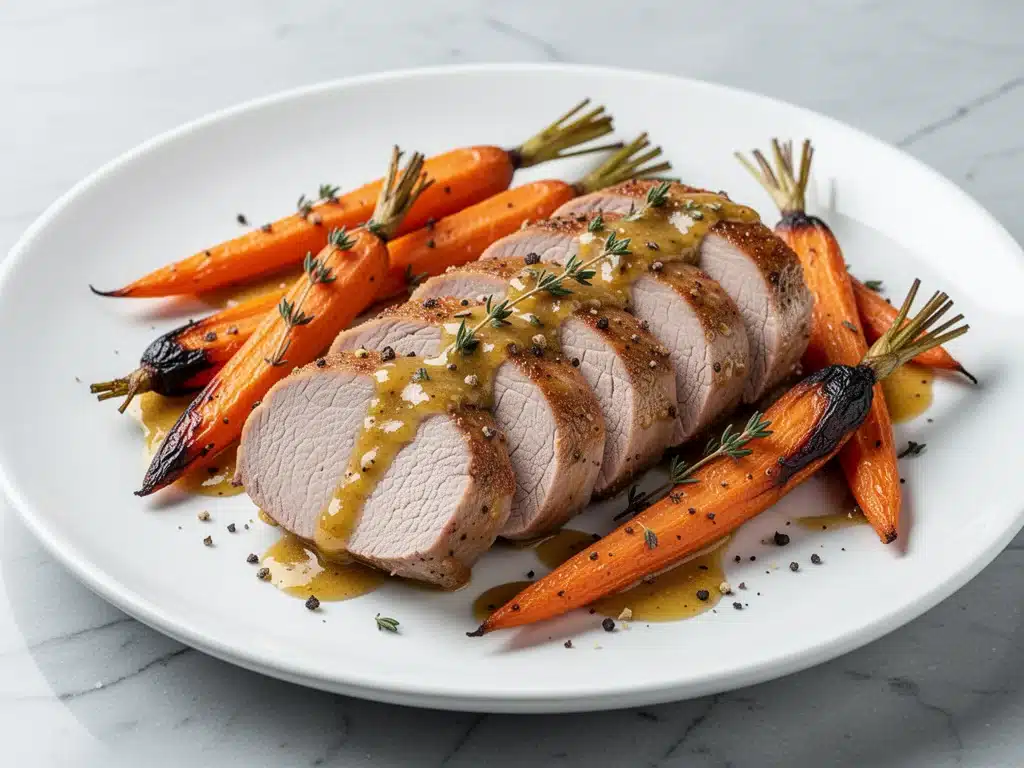
It was 5:45 PM on a Tuesday, and I was standing in my kitchen holding a half-empty jar of mustard and a bag of frozen vegetables, having a full-blown panic attack about dinner. You know the feeling. You’ve been at work all day, your brain is essentially mush, and the idea of chopping, sautéing, and managing three different pots sounds like a punishment. I needed something that tasted like I’d spent an hour on it, but actually required less than ten minutes of my actual attention. That night, I threw together what I thought would be a mediocre sheet pan dinner. Twenty minutes later, my family was asking me to make it every week. That was the night I discovered that sheet pan honey mustard pork tenderloin could be the ultimate weeknight savior.
I’ve tested this recipe about fifteen times over the last six months. I’ve tweaked the honey-to-mustard ratio, experimented with different vegetables, and even tried it in the air fryer (which was good, but the sheet pan version just gets better caramelization). This dish has completely changed our Tuesday and Thursday nights. It’s sticky, savory, sweet, and incredibly tender. Best of all? There’s almost zero cleanup. Just one pan, one bowl for the sauce, and a quick toss. If you’re tired of the same old chicken breast rotation, this is your new best friend. It’s fast, it’s flavorful, and it’s genuinely easy.
Why You’ll Love This Recipe
There are a dozen reasons I keep coming back to this honey mustard pork tenderloin, but here are the big ones that actually matter when you’re hungry and tired.
Stupid Simple Setup — Seriously, if you can stir a jar of mustard with some honey, you can make this. I don’t mean that lightly. I’ve made this while helping my kids with math homework. The prep is literally just tossing the pork and veggies in a bowl with the sauce. That’s it. No fancy techniques, no searing, no complicated timing.
Lightning Fast — From the moment you preheat the oven to the moment you take it out, it’s about 25-30 minutes. But here’s the kicker: only about 10 minutes is active work. The rest is just waiting. I make this on nights when I get home late and my energy levels are at zero. It cooks while I’m decompressing.
One Pan Wonder — This is the biggest selling point for me. Sheet pan dinners mean one dish to wash. My husband is the one who usually does dishes, and this recipe has saved our marriage more than once. The honey mustard sauce reduces into a beautiful glaze on the pan, which is delicious but also means you’re not scrubbing stuck-on bits for twenty minutes.
Perfectly Cooked Every Time — Pork tenderloin is lean, which means it dries out easily if you overcook it. But because it’s roasted whole and sliced after, you get that perfect pink center every single time. I’ve used a meat thermometer (and I urge you to get one), but even without it, the timing is so forgiving that it’s nearly impossible to mess up.
Veggie-Friendly — This is my secret weapon for getting picky eaters to eat vegetables. The sweet honey mustard flavor masks the taste of broccoli and carrots just enough that my kids don’t notice they’re eating “healthy” food. I throw in whatever looks good at the store, and it always works.
This is my go-to when I need dinner to just work. No stress, no takeout costs, just reliable, delicious food that makes everyone happy and leaves me with time to actually relax in the evening.
Ingredients You’ll Need
Here’s the best part: you probably have most of these ingredients already. This isn’t a recipe that requires a special trip to the store for obscure spices. It’s pantry-friendly and simple.
Pork Tenderloin (1.5 pounds / 680g) — You’ll need one or two tenderloins. Look for ones that are similar in size so they cook evenly. They’re lean, tender, and cook fast. If you can’t find tenderloin, pork loin chops work too, but you’ll need to adjust the cooking time slightly. I buy mine at the regular grocery store, not a specialty butcher.
Dijon Mustard (½ cup / 120g) — This is the backbone of the sauce. Don’t use yellow mustard; it’s too harsh and vinegary. Dijon has that nice tang and creaminess. I use Grey Poupon or any good quality store-brand Dijon. It doesn’t need to be fancy, just not yellow.
Honey (¼ cup / 60ml) — Raw honey is great, but regular grocery store honey works fine. This balances the sharpness of the mustard. If you’re not a honey fan, maple syrup is a decent substitute, though the flavor will be slightly different.
Garlic (3 cloves, minced / about 1 tablespoon) — Fresh garlic is non-negotiable here. Jarred garlic has a metallic taste that doesn’t work well in this glaze. Mince it finely so it distributes evenly. If you’re feeling lazy, use a garlic press, but make sure you scrape it all out.
Butter (2 tablespoons / 30g) — Unsalted butter adds richness and helps the glaze brown beautifully. Salted butter works too, just reduce any added salt later. I keep a block of butter in the fridge, not the tub stuff.
Dried Thyme (1 teaspoon) — Thyme pairs perfectly with pork. It’s earthy and subtle. If you don’t have dried thyme, you can use fresh, but add it at the very end so it doesn’t burn. I always keep a jar of dried thyme in my spice rack.
Black Pepper (½ teaspoon) — Freshly cracked is best. Pre-ground pepper loses its flavor quickly. Grate it fresh right before you cook.
Salt (½ teaspoon, plus more for veggies) — Use kosher salt if you have it. It’s easier to control. You’ll salt the veggies separately, so this salt is mainly for the pork.
Vegetables (3-4 cups total) — This is where you get creative. I love roasted baby potatoes (cut in half), broccoli florets, and carrot sticks. Any sturdy vegetable works. Avoid leafy greens like spinach or kale—they’ll wilt too much and get soggy. Also, avoid zucchini if you’re short on time; it releases too much water. My go-to combo is potatoes and broccoli.
Optional Add-ins:
Red Bell Pepper (1, chopped) — Adds sweetness and color.
Onion (1 medium, sliced) — Sweet onions like Vidalia are great. Red onion works too but can get a bit pungent.
Soy Sauce (1 teaspoon) — A tiny splash adds umami depth. I don’t always use it, but when I do, it makes the sauce taste more complex.
Shopping Tip: I buy my pork tenderloin when it’s on sale, which is often. Freeze it raw if you can’t cook it right away. It freezes beautifully for up to 3 months. Just thaw it in the fridge overnight before using.
Equipment Needed
You don’t need fancy equipment for this. Here’s what I actually use.
Large Sheet Pan — I use a half-sheet pan (18×13 inches). It’s the standard size for most ovens. Make sure it has a rim! Flat baking sheets are useless for this because the sauce will run off. I have a well-used, slightly scratched pan from Costco that works perfectly. It doesn’t need to be new.
Parchment Paper — Or a silicone baking mat. This is crucial for the “one pan” claim. If you don’t line your pan, you’ll be scrubbing sticky honey mustard residue for twenty minutes. I use parchment paper because it’s disposable and saves cleanup time. I hate wasting it, but honestly, it’s worth it for the ease.
Mixing Bowl — A medium bowl to toss the pork and veggies in the sauce. Any bowl works. I use a glass one because I can see how much sauce I’m coating.
Measuring Cups and Spoons — Standard stuff. I use a set from the dollar store, and they work fine. Just make sure your teaspoons are accurate.
Instant-Read Thermometer — This is the best $10 you’ll spend. Pork tenderloin goes from perfect to dry in about 2 minutes. A thermometer ensures you pull it at exactly 145°F (63°C). I have a ThermoWorks Thermapen, but any cheap instant-read works. Just don’t guess.
Sharp Knife — For trimming the silverskin off the pork (more on that later) and chopping veggies. A dull knife is dangerous and frustrating. Keep your knives sharp.
Wooden Spoon or Silicone Spatula — For stirring the sauce and tossing the veggies.
Optional but nice:
Tongs — Makes flipping the veggies easier. I use tongs for everything.
Tool Tip: If you don’t have a half-sheet pan, a 9×13 baking dish works too. Just keep in mind it might be crowded, so the veggies might steam instead of roast. Spread them out as much as possible.
How to Make It: Step-by-Step
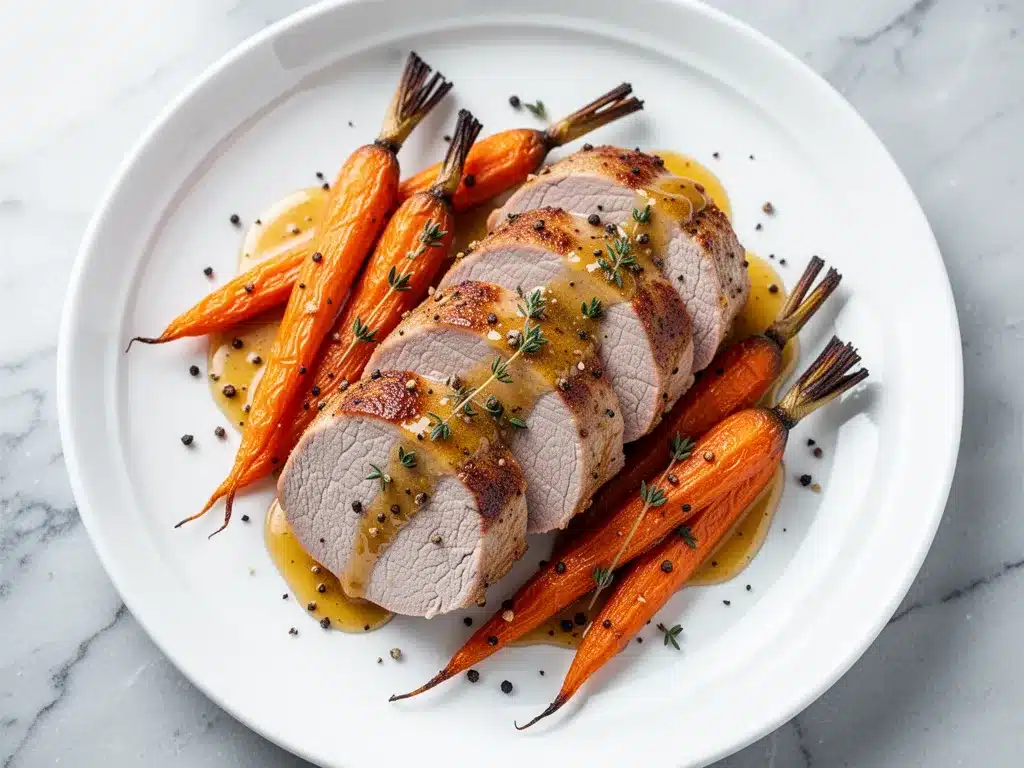
Alright, let’s make this! I’m walking you through exactly how I do it, including the little tricks I’ve picked up over time.
Step 1: Prep Your Oven and Pan (5 minutes)
Preheat your oven to 400°F (200°C). This high heat is key for caramelizing the honey and roasting the veggies quickly. Line your sheet pan with parchment paper. I know, I said it twice, but it’s that important. If you skip this, you’re signing up for a battle with your dirty pan later.
Step 2: Make the Honey Mustard Sauce (2 minutes)
In a medium bowl, whisk together the Dijon mustard, honey, melted butter, minced garlic, dried thyme, black pepper, and that teaspoon of soy sauce (if using). It should be a smooth, glossy mixture. Taste it—it should be sweet and tangy. If you want it sweeter, add a little more honey. If you want more kick, add a pinch of red pepper flakes. I usually add a pinch of red pepper flakes because I like a little heat.
Step 3: Prep the Pork
Take your pork tenderloin and pat it dry with paper towels. Moisture is the enemy of browning. Look for the silverskin—that shiny, tough membrane on the side of the meat. Use your knife to slide under it and peel it off. It’s easy to remove and makes the pork much more tender. If you leave it on, it shrinks and can make the meat curl up. Trim any excess fat, but don’t go overboard. Season the pork generously with salt and pepper on all sides.
Step 4: Prep the Vegetables
While the oven heats, chop your veggies. If using potatoes, cut them into bite-sized pieces or halve baby potatoes so they cook at the same rate as the pork. If using broccoli, cut into florets. Carrots can be left whole if small, or sliced lengthwise if large. Toss the veggies in a separate bowl with a little olive oil, salt, and pepper. You don’t need the honey mustard sauce on the veggies yet; just oil and salt so they roast properly.
Step 5: Assemble on the Pan
Place the seasoned pork tenderloin in the center of the prepared sheet pan. Arrange the oiled vegetables around the pork. Don’t crowd them too much—if the veggies are piled on top of each other, they’ll steam instead of roast. You want space between them so they get crispy edges. Drizzle half of the honey mustard sauce over the pork. Save the rest for basting later. Use a brush or a spoon to coat the pork evenly.
Step 6: Roast the Pork
Put the pan in the preheated oven. Roast for 15-20 minutes. At the 10-minute mark, take the pan out and brush the pork with the remaining honey mustard sauce. This builds up layers of flavor and creates that sticky glaze. If your veggies are browning too quickly, you can tent them loosely with foil, but usually, they’re fine.
Step 7: Check Temperature and Rest
Check the internal temperature of the pork with your thermometer. It should read 145°F (63°C). If it’s not there yet, put it back in for 2-3 minutes. Once it hits 145°F, remove the pan from the oven. Here’s the most important step: let the pork rest for 5-10 minutes. This allows the juices to redistribute. If you cut it immediately, all the juice runs out, and you’re left with dry meat. Cover it loosely with foil while it rests.
Step 8: Slice and Serve
While the pork rests, give the veggies a final toss if they look dry. Slice the pork into medallions—about ½-inch thick slices. Arrange them on a platter or serve directly from the pan. Drizzle any juices from the resting plate over the pork. Serve immediately with the roasted veggies.
Total Time: About 30 minutes (10 minutes active, 20 minutes cooking)
Expert Tips & Tricks
Here’s everything I’ve learned from making this dozens of times. These tips will save you from my mistakes.
Don’t Skip the Resting
I know it’s tempting to cut into that juicy pork immediately. Don’t. I’ve done it, and the result was dry pork. Letting it rest for 5-10 minutes is non-negotiable for tender meat. The temperature will also rise a few degrees during this time, so pull it at 140°F if you’re worried about overcooking.
Size Matters
Try to buy two tenderloins of similar size, or trim one to match the other. If one is huge and one is tiny, the small one will dry out before the big one is done. Uniformity is key for even cooking.
Vegetable Timing
Potatoes take longer than broccoli. If you’re using both, put the potatoes on the pan first for 10 minutes, then add the broccoli. Or, cut the potatoes smaller. I usually just cut everything to a similar size to keep it simple.
The Silverskin
If you’re intimidated by trimming the silverskin, ask your butcher to do it when you buy the meat. Most grocery store butchers will do this for free. It’s a small thing that makes a big difference in texture.
Glaze generously
The honey mustard sauce burns if it’s exposed to high heat for too long without moisture. That’s why I brush it on halfway through. If you put it all on at the start, the honey might char. Halfway is the sweet spot.
Common Mistakes
Mistake: Dry pork. Fix: Overcooking. Use a thermometer. 145°F is the target.
Mistake: Soggy veggies. Fix: Crowding the pan. Make sure there’s space. Also, make sure your oven is fully preheated.
Mistake: Burnt sauce. Fix: Heat too high or sauce applied too early. Keep it at 400°F and baste halfway.
Pro Trick: For extra crispiness, turn on the broiler for the last 1-2 minutes of cooking. Watch it like a hawk—honey burns in seconds. This gives you that restaurant-style caramelized top.
Variations & Substitutions
Once you’ve nailed the basic version, here’s how you can mix it up. I’ve tried all of these.
Maple Mustard Version
Swap the honey for pure maple syrup. It gives a deeper, earthier sweetness. Great with autumn veggies like squash and Brussels sprouts.
Spicy Honey Mustard
Add 1 teaspoon of sriracha or red pepper flakes to the sauce. If you like heat, this is the way to go. It cuts through the richness beautifully.
Herb-Infused
Instead of thyme, use rosemary or sage. These herbs pair wonderfully with pork. Fresh rosemary is particularly good, but chop it finely so it doesn’t overpower.
Vegetable Swaps
Asparagus — Add in the last 10 minutes. It cooks fast and gets nice and crisp.
Green Beans — Trim and toss with the potatoes. They hold up well to roasting.
Sweet Potatoes — Cut into cubes. They take about the same time as regular potatoes.
Brussels Sprouts — Halve them. They get crispy and nutty. I love the contrast with the sweet sauce.
Protein Swaps
Chicken Breast — You can use chicken breasts instead of pork. Pound them to an even thickness and cook for the same time. The sauce works perfectly with chicken too.
Salmon Fillets — This sauce is amazing with salmon. Reduce cooking time to 12-15 minutes. Check at 12 minutes.
Dietary Modifications:
Gluten-Free — This recipe is naturally gluten-free, just check your mustard and honey labels to be sure.
Dairy-Free — Swap the butter for olive oil. The sauce will be slightly less rich but still delicious.
Lower Sugar — Reduce the honey to 2 tablespoons and use more mustard. It’s still tangy and good.
Serving & Storage
How to Serve:
I usually serve this straight from the sheet pan. It looks rustic and stays warm. But here are other ways I’ve enjoyed it:
Side Dishes:
– A simple green salad with vinaigrette (the heavy pork needs something light)
– Crusty bread or rolls to soak up the extra sauce
– Mashed potatoes (if you want to go all out)
– Coleslaw (the crunch and acidity balance the sweet pork)
Toppings Bar:
When I have guests, I put out: fresh chopped parsley, extra red pepper flakes, lemon wedges. Everyone customizes their bowl.
Wine Pairing:
Not a wine expert, but my wine-snob friend says a crisp Pinot Grigio or a light-bodied Pinot Noir works great with this. The acidity cuts the sweetness.
Storage Instructions:
Refrigerator:
Store leftovers in an airtight container for up to 3 days. The pork will stay moist if kept in the sauce.
Reheating:
Best method: Reheat in a skillet over low heat with a splash of water or broth to keep it moist.
Microwave method: Heat in 30-second intervals, covered with a damp paper towel. This prevents the pork from drying out.
Avoid: Reheating in the oven at high heat—it will dry out the pork.
Freezing:
You can freeze the cooked pork, but the texture might change slightly. Thaw in the fridge overnight and reheat gently. I don’t recommend freezing the veggies, as they get mushy.
Pro tip: If you’re meal-prepping, cook the pork and veggies separately. Store the sauce in a small container and drizzle it over when reheating. This keeps the veggies crisp.
Nutrition Information
I’m not a nutritionist, but here’s the breakdown if you’re tracking. This is per serving (based on 4 servings, with veggies).
– Calories: 380
– Protein: 35g
– Carbs: 25g
– Fiber: 3g
– Sugar: 18g
– Fat: 12g
– Saturated Fat: 4g
– Cholesterol: 95mg
– Sodium: 450mg
– Calcium: 60mg
What’s Good:
– High protein from the pork
– Good amount of vegetables for fiber and vitamins
– Reasonable calorie count for a main dish
What to Know:
– Higher in sugar from the honey and mustard
– Contains dairy (butter)
– Sodium can be adjusted by using low-sodium mustard
My Take:
Look, this is comfort food with honey and mustard. It’s not a diet recipe, but it’s balanced. The protein keeps you full, and the veggies add bulk. When I want to make it lighter, I double the veggies and reduce the pork slightly. But usually? I just enjoy a reasonable portion and move on.
Final Thoughts
So that’s my go-to sheet pan honey mustard pork tenderloin! I’ve probably talked your ear off at this point, but when you make a recipe this often, you have a lot to say about it. This has saved weeknight dinners more times than I can count. It’s my answer to “what’s for dinner” when I’m tired, don’t want takeout, and still want something that tastes really good. My kids are happy, my husband’s happy, and I’m happy because I’m not stressed about cooking.
Make it yours! Try different veggies, swap in your favorite herbs, adjust the spice level. The best recipes are the ones you adapt to your family’s tastes. If you make this, drop a comment and let me know what you think! I love hearing how recipes turn out in your kitchen. And if something doesn’t work, tell me that too—I’m here to help troubleshoot.
Happy cooking! And I hope your kitchen smells half as good as mine does right now.
Frequently Asked Questions
Can I use chicken instead of pork?
Absolutely. Chicken breasts work great with this sauce. Pound them to an even thickness (about ½-inch) so they cook evenly. Cook for 15-20 minutes at 400°F, or until the internal temperature reaches 165°F. The honey mustard glaze is delicious on chicken too.
Why did my pork turn out dry?
Overcooking is the most common reason. Pork tenderloin is lean, so it dries out quickly. Use a meat thermometer and pull it at 145°F. Also, let it rest for 5-10 minutes after cooking. If you cut it immediately, the juices run out, leaving you with dry meat.
Can I make this ahead of time?
You can prep the veggies and make the sauce ahead of time. Store them in separate containers in the fridge for up to 2 days. When you’re ready to cook, just assemble and roast. I don’t recommend pre-marinating the pork for more than a few hours, as the acid in the mustard can start to “cook” the meat and change the texture.
What vegetables work best?
Sturdy vegetables that roast well are best. Potatoes, carrots, broccoli, green beans, Brussels sprouts, and bell peppers all work great. Avoid watery vegetables like zucchini or summer squash unless you add them in the last 10 minutes. They’ll get soggy if roasted too long.
Can I freeze the leftovers?
Yes, but the texture of the pork might change slightly upon reheating. Store in an airtight container for up to 3 months. Thaw in the fridge overnight and reheat gently in a skillet with a splash of water. The veggies don’t freeze as well, as they can become mushy.
Is this recipe gluten-free?
Yes, this recipe is naturally gluten-free. Just double-check your mustard and honey labels to ensure they don’t contain any added thickeners or allergens. Most standard Dijon mustard and honey are safe.
How do I get a better caramelization on the sauce?
Make sure your oven is fully preheated before putting the pan in. Also, don’t crowd the pan. If the veggies are piled up, the steam will prevent browning. For extra caramelization, broil for the last 1-2 minutes, but watch it closely—honey burns fast.
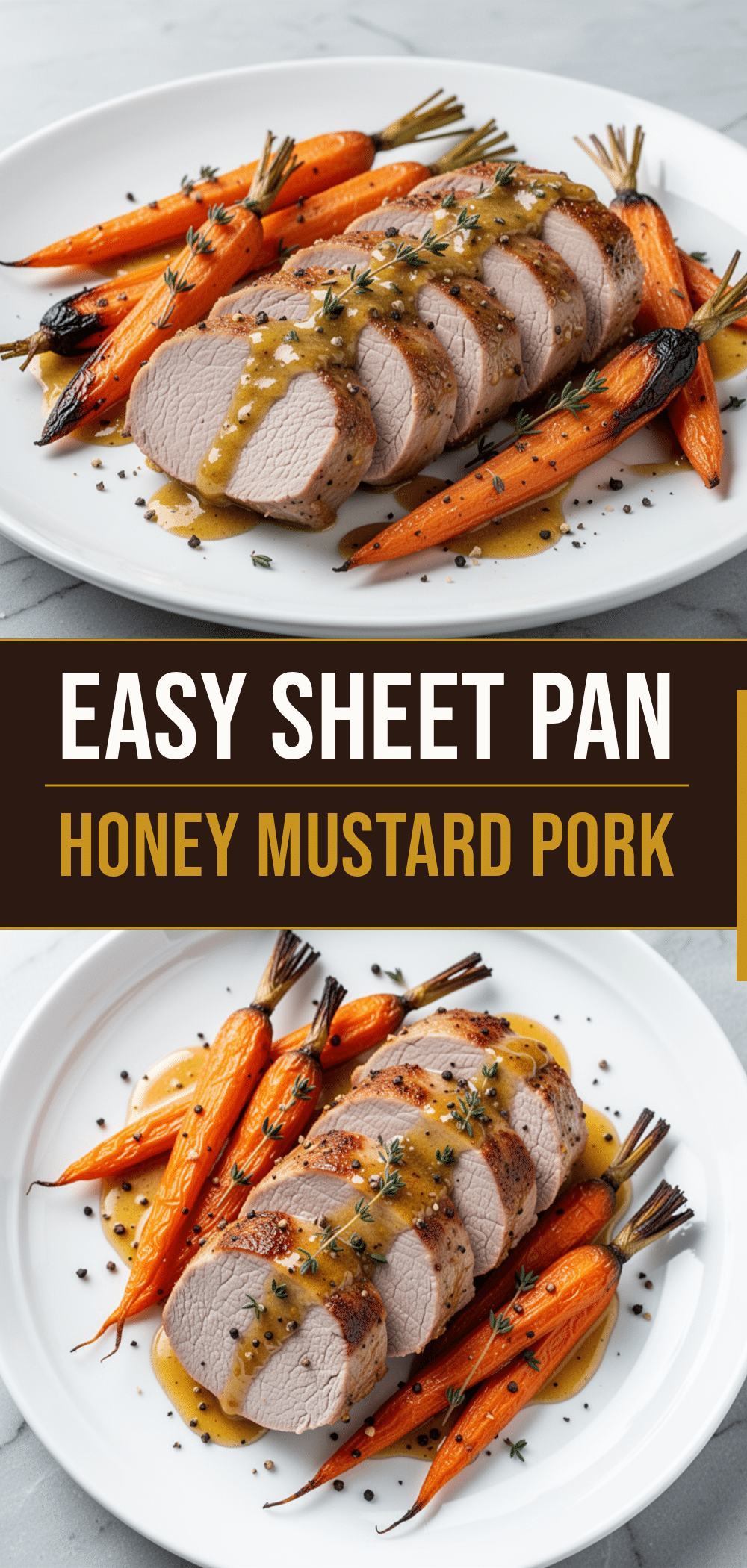
Pin This Recipe!
Sheet Pan Honey Mustard Pork Tenderloin: Easy 30-Min Meal
- Total Time: 30 minutes
- Yield: 4 servings 1x
Description
A quick and easy weeknight dinner featuring tender pork tenderloin and roasted vegetables coated in a sticky, savory-sweet honey mustard glaze. This one-pan meal requires minimal prep and cleanup.
Ingredients
- 1.5 pounds pork tenderloin
- ½ cup Dijon mustard
- ¼ cup honey
- 3 cloves garlic, minced
- 2 tablespoons butter, melted
- 1 teaspoon dried thyme
- ½ teaspoon black pepper
- ½ teaspoon salt
- 3–4 cups vegetables (e.g., baby potatoes, broccoli, carrots)
- 1 teaspoon soy sauce (optional)
- Olive oil for tossing vegetables
Instructions
- Preheat oven to 400°F (200°C) and line a large sheet pan with parchment paper.
- In a medium bowl, whisk together Dijon mustard, honey, melted butter, minced garlic, dried thyme, black pepper, salt, and soy sauce (if using).
- Pat pork tenderloin dry and trim off the silverskin. Season generously with salt and pepper.
- Chop vegetables into bite-sized pieces. Toss in a separate bowl with olive oil, salt, and pepper.
- Place pork in the center of the prepared sheet pan. Arrange vegetables around the pork.
- Drizzle half of the honey mustard sauce over the pork.
- Roast for 15-20 minutes. At the 10-minute mark, brush the remaining sauce over the pork.
- Check internal temperature; it should reach 145°F (63°C).
- Remove from oven and let pork rest for 5-10 minutes before slicing.
- Slice pork into medallions and serve with roasted vegetables.
Notes
Do not skip the resting step for the pork to ensure juiciness. Ensure vegetables are not crowded on the pan to allow for proper roasting and caramelization. If using potatoes, cut them smaller or add them first as they take longer to cook than broccoli.
- Prep Time: 10 minutes
- Cook Time: 20 minutes
- Category: Main Course
- Cuisine: American
Nutrition
- Serving Size: 1 pork tenderloin po
- Calories: 380
- Sugar: 18
- Sodium: 450
- Fat: 12
- Saturated Fat: 4
- Carbohydrates: 25
- Fiber: 3
- Protein: 35
Keywords: pork tenderloin, sheet pan dinner, honey mustard, easy weeknight meal, one pan dinner, quick dinner, roasted vegetables