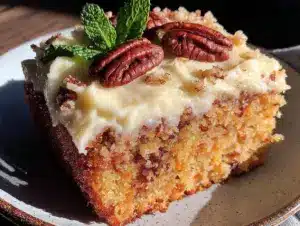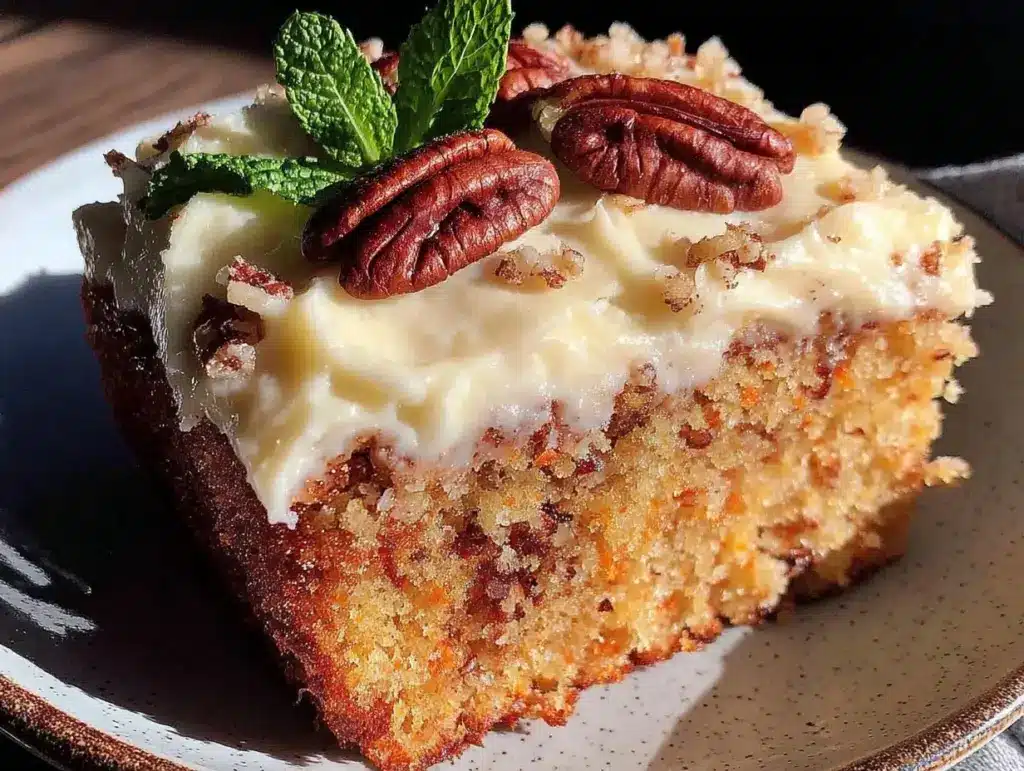
I have a confession to make. For years, I avoided carrot cake like the plague. Not because I didn’t like carrots—well, I do, mostly—but because every carrot cake I ever ate tasted like a dry sponge soaked in sugar water. It was crumbly, it was tough, and it felt like chewing on a dessert that was apologizing for existing. I’d stare at the slice on my plate, wondering if the baker had simply given up halfway through mixing.
Then, three years ago, I made a mistake. I was in a rush, grabbed the wrong oil, and accidentally used extra virgin olive oil instead of vegetable oil. I was ready to throw the batter out. But I baked it anyway, mostly out of stubbornness. When I took it out of the oven, the kitchen smelled incredible—not like cake, but like something warm and sophisticated. I cut a slice, expecting disaster. Instead, I got a slice that was dense, tender, and impossibly moist. The olive oil had done something magical to the texture.
I’ve since tested this ultra moist carrot cake over 20 times. I’ve tried different flours, different sweeteners, and different oils. And while I’ve made tweaks along the way, the core secret remains: it’s not about complex techniques. It’s about using the right ingredients and letting them do the work. This isn’t a fancy, multi-tiered wedding cake. It’s a home-style, deeply flavorful, ridiculously easy cake that you can make with ingredients you already have in your pantry. It’s the kind of cake that disappears before you can finish frosting it. And honestly? If you can only make one dessert this year, make this one. You really can’t mess it up.
Why You’ll Love This Ultra Moist Carrot Cake Recipe
There are a lot of carrot cake recipes out there. Some are too sweet, some are too spicy, and some require a stand mixer and a degree in pastry arts. This one? It’s different. Here’s why this specific recipe has earned a permanent spot in my rotation:
- Stupidly Simple Method — Seriously, if you can whisk and fold, you can make this. I don’t even use a mixer. I use a whisk and a spoon. It’s a one-bowl method (mostly), which means less cleanup and less stress. I’ve taught my nephew to make this, and he’s seven. He did it without burning anything.
- Actually Moist, Not Greasy — I’ve seen recipes that use so much oil the cake feels like you’re eating a fried donut. This cake uses just enough oil to keep it tender, but the yogurt adds that tangy moisture that keeps it light. It’s moist in the best way—soft, not soggy.
- Flavor That’s Actually Balanced — Too many carrot cakes taste like pure sugar with a garnish of cinnamon. This one balances the sweetness with the tartness of the cream cheese frosting and the earthiness of the carrots. It’s complex but easy to understand.
- Beginner-Proof — You really can’t mess this up. The batter is forgiving. If you overmix it slightly, it’s fine. If you chop your carrots a bit unevenly, it’s fine. It’s designed for real life, not for perfect Instagram photos.
- Freezes Like a Dream — I often make this cake a week ahead. I freeze the layers separately, then frost them when I need them. It thaws out perfectly, still moist and delicious. It’s my secret weapon for unexpected guests.
This is the cake I bring to potlucks. It’s the cake I bake when I need a hug in dessert form. It’s reliable, it’s delicious, and it makes people stop talking long enough to ask for the recipe.
Ingredients You’ll Need for the Best Carrot Cake
Here’s the best part: you probably have most of this already. I’m particular about three ingredients here, and I’ll tell you exactly why. Don’t skip the details, though—they matter more than you think.
For the Cake
Vegetable oil (1 cup / 240ml) — Yes, a full cup. Don’t panic. It’s not as heavy as it sounds because of the yogurt. Use a neutral oil like vegetable, canola, or light olive oil. Avoid extra virgin olive oil unless you want that strong flavor to dominate. I keep a bottle of canola oil just for this.
Granulated sugar (1 cup / 200g) — White sugar keeps the cake light and moist. Brown sugar makes it denser and darker. I use white sugar here for that tender crumb. If you want a deeper flavor, you can swap half for brown sugar, but stick to white for maximum moisture.
Dark brown sugar (1 cup / 220g) — This adds that molasses depth that makes carrot cake taste like autumn. Make sure it’s packed down when you measure it. If it’s hardened, microwave it for 10 seconds to soften it up.
Large eggs (4 large) — Room temperature eggs are best for emulsifying with the oil. If you forget to take them out, just run them under warm water for a minute. They help bind everything together and add structure.
Vanilla extract (2 teaspoons) — Use real vanilla, not imitation. It’s cheap insurance for flavor. I use the extract I buy in bulk from Costco. It lasts forever and tastes great.
All-purpose flour (2 cups / 250g) — Don’t use cake flour. You want the structure that all-purpose provides. Spoon it into your measuring cup and level it off. Don’t scoop directly from the bag, or you’ll pack in too much flour and dry out the cake.
Baking soda (2 teaspoons) — This is what makes the cake rise. Make sure it’s fresh! If your baking soda is old, your cake will be flat and dense. I replace mine every six months.
Baking powder (1 teaspoon) — A little extra lift to go with the soda. Standard stuff.
Ground cinnamon (2 teaspoons) — The star spice. Use a good quality brand. If your cinnamon looks dusty or smells faint, toss it and get new stuff. Fresh cinnamon makes a huge difference.
Ground ginger (1 teaspoon) — Adds a warm, spicy kick that complements the cinnamon. Don’t skip it. It’s subtle but essential.
Nutmeg (½ teaspoon) — Just a pinch. It adds depth. Grate it fresh if you can, but pre-ground works fine.
Ground cloves (½ teaspoon) — This is the secret weapon. A little clove goes a long way. It adds that deep, spicy note that makes you think of pumpkin pie, but better. Don’t add too much, or it’ll taste medicinal.
Salt (1 teaspoon) — Enhances all the flavors. Don’t skimp. It balances the sweetness.
Grated carrots (3 cups / 300g) — Fresh carrots, grated. Not the pre-shredded bag stuff. Pre-shredded carrots are dried out and don’t release moisture the same way. Buy three or four medium carrots and grate them yourself. It takes five minutes and makes a world of difference.
Walnuts (1 cup / 100g, chopped) — Optional, but I love the crunch. Toast them first for extra flavor. If you’re allergic, skip them or use pecans. I usually skip nuts for my kids, but I make a separate batch for myself with nuts.
For the Cream Cheese Frosting
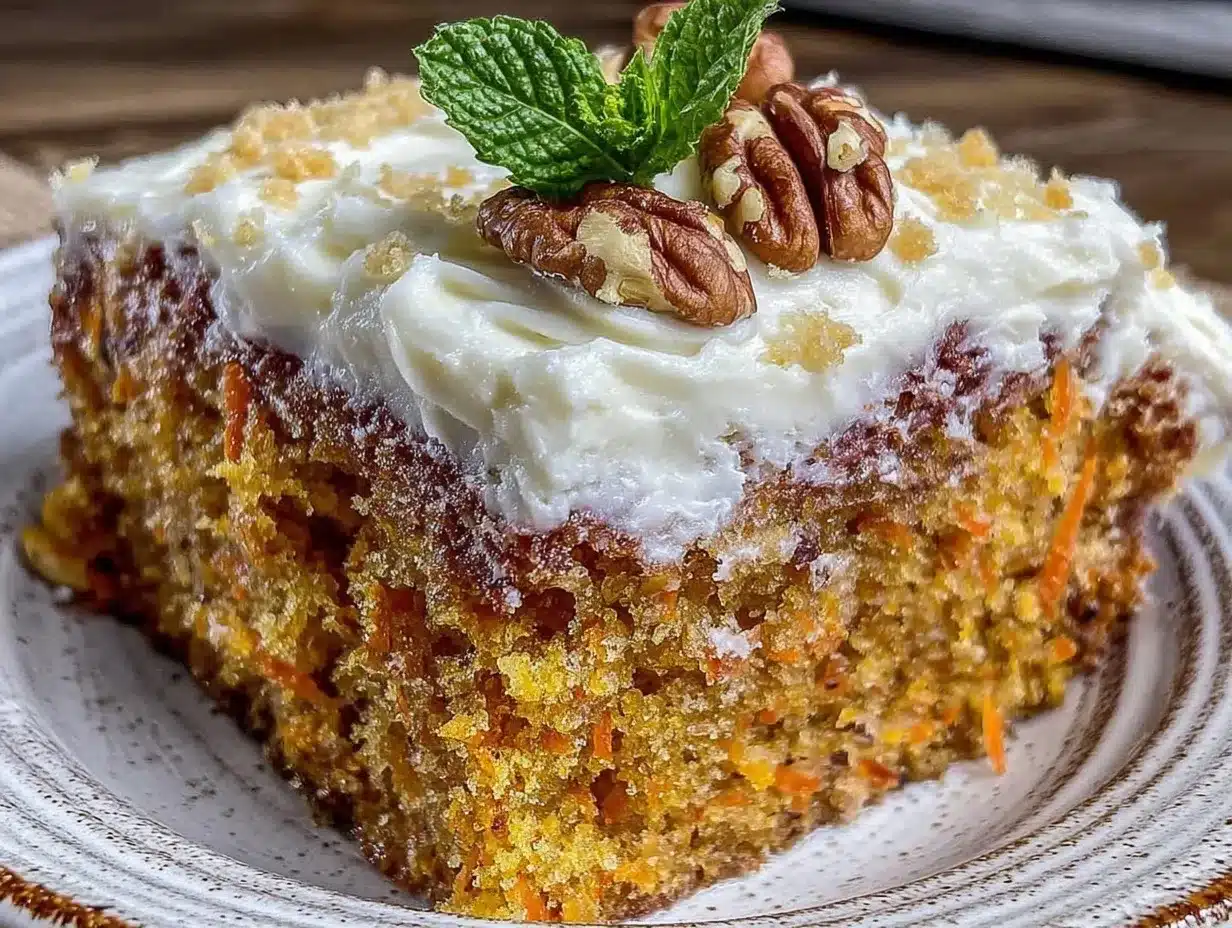
Block cream cheese (16 oz / 450g) — Full-fat, brick-style cream cheese. Not the spreadable tub kind. The tub kind has too much air and water, and your frosting will be runny. I use Philadelphia. It’s reliable.
Unsalted butter (½ cup / 115g) — Softened to room temperature. If it’s cold, it won’t mix smoothly. If it’s melted, it’ll make the frosting greasy. Soft is the goal. Leave it out for an hour before you start.
Powdered sugar (4 cups / 480g) — Sifted. This is non-negotiable. Powdered sugar has cornstarch in it, which helps stabilize the frosting. If you don’t sift it, you’ll get lumps. I sift it twice to be safe.
Vanilla extract (1 teaspoon) — For flavor.
Salt (¼ teaspoon) — Cuts the sweetness.
Equipment You’ll Need
You don’t need fancy equipment for this. Here’s what I actually use:
Large mixing bowls — Two bowls. One for wet ingredients, one for dry. I use big plastic bowls because they’re lightweight and don’t break if I drop them.
Whisk — A medium-sized whisk. You need to aerate the eggs and sugar, so a fork won’t cut it. A whisk makes it easy and fast.
Box grater — For the carrots. The side with the large holes works best. It gives you those nice shreds that hold moisture.
9×13 inch baking pan — I make this as a sheet cake because it’s easier to serve and less prone to cracking than layers. Grease it well with butter or cooking spray.
Electric mixer — For the frosting. Hand mixer or stand mixer. You need to beat the cream cheese and butter until it’s smooth, so a whisk will take forever. I use a hand mixer because it’s quick and easy to clean.
Spatula — A rubber spatula for folding in the carrots and nuts. It gets every bit of batter out of the bowl.
Cooling rack — Essential. Never frost a warm cake. It will melt the frosting and make a mess. Let the cake cool completely on a rack.
How to Make It: Step-by-Step
Alright, let’s make this! I’m walking you through exactly how I do it. It’s straightforward, but there are a few tricks to keep it ultra moist.
Step 1: Prep Your Pan and Oven (5 minutes)
Preheat your oven to 350°F (175°C). Grease your 9×13 inch baking pan generously with butter or non-stick spray. I like to line the bottom with parchment paper too, just to be safe. It makes cleanup a breeze and ensures the cake doesn’t stick. You don’t need to grease the sides, but do the bottom.
Step 2: Mix the Wet Ingredients (3 minutes)
In a large bowl, whisk together the vegetable oil, granulated sugar, brown sugar, eggs, and vanilla extract. Whisk vigorously for about two minutes. You want the sugar to dissolve a bit into the oil. The mixture should look glossy and slightly thickened. This step is important because it helps create that tender crumb. Don’t rush it.
Step 3: Combine the Dry Ingredients (2 minutes)
In a separate bowl, whisk together the flour, baking soda, baking powder, cinnamon, ginger, nutmeg, cloves, and salt. Whisk them well to distribute the spices evenly. If you skip this, you might get a spicy bite in one corner of the cake. I know because I’ve done it.
Step 4: Combine Wet and Dry (2 minutes)
Gradually add the dry ingredients to the wet ingredients. Mix on low speed or use a spatula to fold them in. Stop mixing as soon as you no longer see streaks of flour. Overmixing develops gluten, which makes the cake tough. We want tender, not chewy. It’s okay if it looks a little lumpy.
Step 5: Fold in Carrots and Nuts (2 minutes)
Gently fold in the grated carrots and chopped walnuts. Use a spatula and lift from the bottom, turning the batter over. Be gentle. You don’t want to crush the carrots. Just distribute them evenly. The batter should be thick and chunky.
Step 6: Bake (40-45 minutes)
Pour the batter into your prepared pan. Spread it out evenly with a spatula. Bake for 40-45 minutes. Start checking at 40 minutes. Insert a toothpick into the center. If it comes out clean or with just a few moist crumbs, it’s done. If there’s wet batter on it, bake for 5 more minutes. Don’t overbake, or it’ll dry out. The cake should spring back when you touch it lightly.
Step 7: Cool Completely (1 hour)
Let the cake cool in the pan for 10 minutes, then turn it out onto a cooling rack. Let it cool completely before frosting. This is crucial. If the cake is even slightly warm, the frosting will melt and slide off. I usually let it cool while I make the frosting. Patience pays off.
Step 8: Make the Frosting (10 minutes)
In a large bowl, beat the softened cream cheese and butter together on medium-high speed until smooth and creamy. This takes about 2-3 minutes. Scrape down the sides of the bowl. Gradually add the sifted powdered sugar, one cup at a time, beating on low speed. Once all the sugar is in, beat on high for 2 minutes until fluffy. Add vanilla and salt. Beat for another 30 seconds. The frosting should be thick, smooth, and spreadable.
Step 9: Frost and Serve
Spread the frosting over the completely cooled cake. Use an offset spatula for a smooth finish, or just use a knife for a rustic look. I don’t worry about perfection. It’s a home cake. Slice it with a sharp knife. For clean slices, wipe the knife between cuts. Serve with a cup of coffee or tea.
Expert Tips & Tricks for Success
Here’s everything I’ve learned from making this dozens of times. These tips will save you from my mistakes.
- Grate Your Own Carrots — I cannot stress this enough. Pre-shredded carrots are dry and waxy. Freshly grated carrots release moisture as they bake, keeping the cake soft. Buy fresh carrots and grate them. It’s worth the five minutes.
- Don’t Overmix the Batter — Once you add the flour, mix only until combined. Overmixing makes the cake dense and tough. We want light and tender. If you see a little flour streak, it’s okay. It’ll mix in as you fold the carrots.
- Room Temperature Ingredients — Make sure your eggs, butter, and cream cheese are at room temperature. Cold ingredients don’t emulsify well, which can lead to a curdled batter or lumpy frosting. Take them out of the fridge an hour before you start.
- Sift Your Powdered Sugar — This is non-negotiable for frosting. Lumps in frosting are the worst. Sift it twice to be safe. It takes a minute, but it makes the frosting silky smooth.
- Cool Completely — I know it’s tempting to frost it early. Don’t. Let it cool completely. Warm cake + cold frosting = melted mess. Let it sit on the counter for at least an hour.
- Toast Your Nuts — If you’re using walnuts or pecans, toast them in a dry pan for 3-4 minutes before chopping. It brings out their flavor and adds a nice crunch. It’s a small step that makes a big difference.
Variations & Substitutions
Once you’ve nailed the basic version, here’s how you can mix it up. I’ve tried all of these.
- Pecan Version — Swap walnuts for pecans. I love the buttery flavor of pecans in carrot cake. Toast them first for extra depth.
- Coconut Version — Add 1 cup of shredded coconut to the batter. Use sweetened shredded coconut for extra sweetness. It adds a tropical twist that’s delicious.
- Gluten-Free — Use a 1:1 gluten-free flour blend. It works great in this recipe. I’ve used Bob’s Red Mill and King Arthur, and both work well. Don’t use almond flour alone; it changes the texture too much.
- Reduced Sugar — Reduce the sugar by ¼ cup. It’s still sweet, but less so. I don’t recommend reducing it more, or the cake will be dry. The sugar adds moisture, not just sweetness.
- Mini Muffins — You can make this as mini muffins! Fill liners ¾ full and bake for 15-18 minutes. Great for lunchboxes or party favors. Frost them with a dollop of cream cheese frosting.
Serving & Storage
How to Serve: I usually serve this straight from the fridge. The frosting firms up in the fridge, making it easier to slice. Let it sit at room temperature for 10 minutes before serving for the best texture. It pairs beautifully with a hot cup of coffee or tea.
Side Dishes: This cake is rich, so I keep sides simple. If you’re serving it for dessert, maybe just some fresh berries on the side. If you’re having it with brunch, pair it with bakery-style blueberry muffins or even buttery lemon blueberry scones for a full spread.
Refrigerator: Store covered in the fridge for up to 5 days. The frosting hardens in the fridge, so let it come to room temperature before eating for the best flavor and texture.
Freezer: You can freeze the unfrosted cake layers for up to 3 months. Wrap them tightly in plastic wrap and then foil. Thaw overnight in the fridge, then frost. The frosting doesn’t freeze well; it can become grainy. Make it fresh when you’re ready to serve.
Pro Tip: If your frosting is too stiff after refrigerating, let it sit at room temperature for 15 minutes and give it a quick stir. It will soften up.
Nutrition Information
I’m not a nutritionist, but here’s the breakdown if you’re tracking. This is a rich dessert, so a little goes a long way.
Per Serving (based on 12 slices):
- Calories: 480
- Protein: 6g
- Carbs: 62g
- Fiber: 2g
- Sugar: 48g
- Fat: 24g
- Saturated Fat: 12g
- Cholesterol: 65mg
- Sodium: 320mg
It’s indulgent, but it’s also made with real ingredients. The carrots add some nutrition, and the nuts (if you use them) add healthy fats. Just enjoy it in moderation.
Final Thoughts
So that’s my ultra moist carrot cake! I’ve probably talked your ear off at this point, but when you make a recipe this often, you have a lot to say about it. This cake has saved me more times than I can count. It’s my answer to “what’s for dessert?” when I want something special but don’t want to spend hours in the kitchen. My family loves it, my friends beg for it, and I love making it.
Make it yours! Try different nuts, add coconut, or skip the frosting if you’re feeling adventurous. The best recipes are the ones you adapt to your tastes. If you make this, drop a comment and let me know what you think! I love hearing how recipes turn out in your kitchen. And if something doesn’t work, tell me that too—I’m here to help troubleshoot.
Happy baking! And I hope your kitchen smells half as good as mine does right now.
Frequently Asked Questions
Can I use olive oil instead of vegetable oil?
You can, but it will change the flavor. Extra virgin olive oil has a strong, fruity taste that might overpower the spices. Light olive oil or canola oil is better because it’s neutral. If you want to use olive oil, I recommend light olive oil. It adds a subtle richness without dominating the cake.
Why did my cake turn out dry?
Usually, this means you overbaked it or used too much flour. Make sure you’re spooning and leveling your flour, not scooping it. Also, check your cake at 40 minutes. If the toothpick comes out clean, it’s done. Don’t wait until it looks dry. Carrot cake continues to cook slightly in the pan after you take it out.
Can I make this cake ahead of time?
Absolutely! In fact, it tastes better the next day. Bake the cake, let it cool, and wrap it tightly in plastic wrap. Store it at room temperature for 24 hours, then frost it. The flavors meld together overnight, making it even more delicious. You can also freeze the unfrosted layers for later.
Why did my frosting get runny?
This usually happens if the cream cheese or butter was too warm, or if you added the powdered sugar too quickly. Make sure your cream cheese and butter are at room temperature but not melting. Sift the powdered sugar and add it gradually. Beat the frosting on high for a few minutes to incorporate air, which helps it hold its shape.
Can I use pre-shredded carrots?
I don’t recommend it. Pre-shredded carrots are dried out and don’t release moisture the same way. They can make the cake denser and less moist. Freshly grated carrots are the key to this recipe’s texture. It’s a small effort that makes a huge difference.
How do I store leftover carrot cake?
Store it in an airtight container in the refrigerator for up to 5 days. The frosting contains dairy, so it needs to be refrigerated. Let it sit at room temperature for 10-15 minutes before serving to soften the frosting and enhance the flavor.
Pin This Recipe!
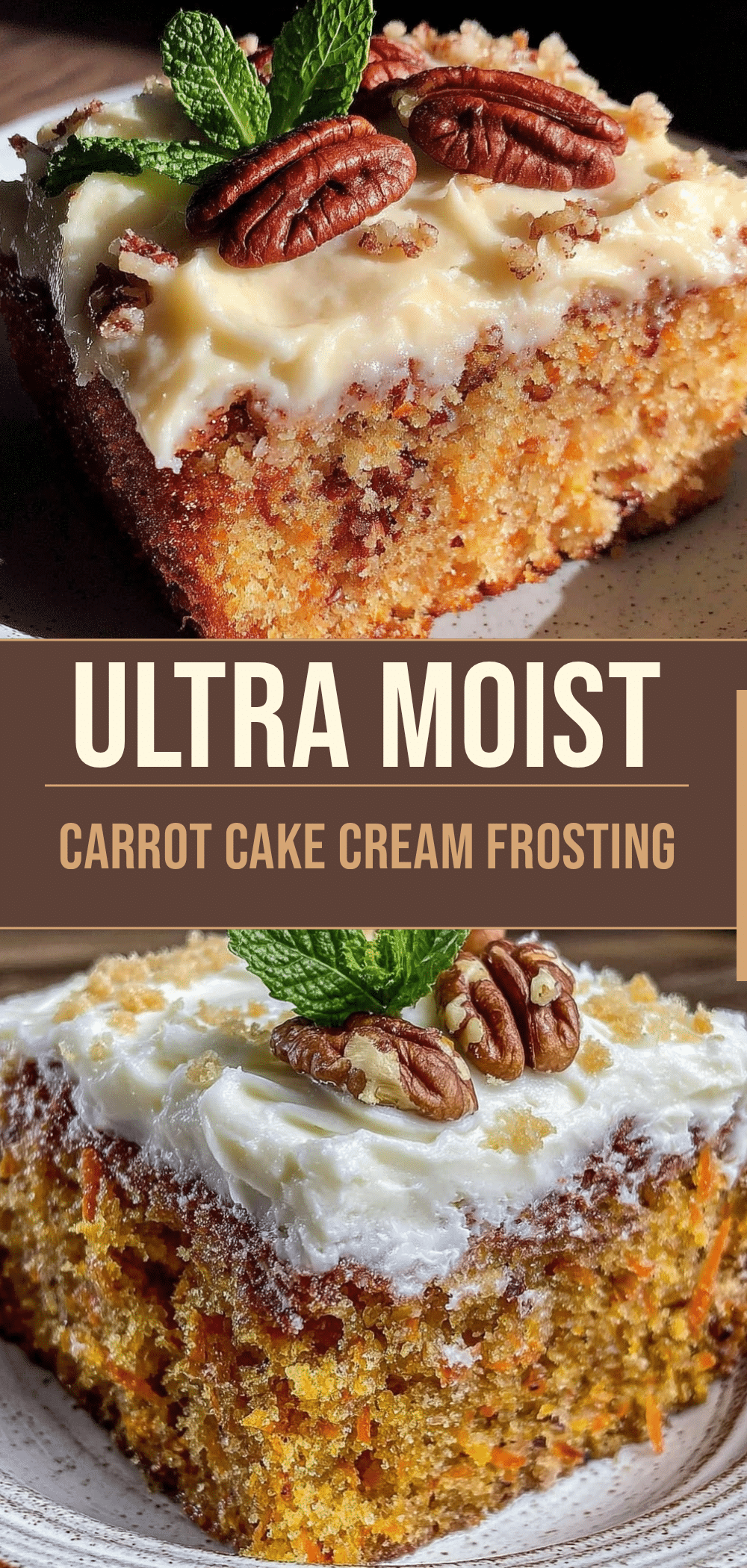
Ultra Moist Carrot Cake: Best Easy Recipe
- Total Time: 1 hour 45 minutes
- Yield: 12 servings 1x
Description
A dense, tender, and impossibly moist carrot cake made with a simple one-bowl method. This beginner-proof recipe balances sweetness with tart cream cheese frosting and fresh spices for a reliable, home-style dessert.
Ingredients
- 1 cup vegetable oil
- 1 cup granulated sugar
- 1 cup dark brown sugar, packed
- 4 large eggs, room temperature
- 2 teaspoons vanilla extract
- 2 cups all-purpose flour
- 2 teaspoons baking soda
- 1 teaspoon baking powder
- 2 teaspoons ground cinnamon
- 1 teaspoon ground ginger
- 1/2 teaspoon nutmeg
- 1/2 teaspoon ground cloves
- 1 teaspoon salt
- 3 cups fresh grated carrots
- 1 cup walnuts, chopped (optional)
- 16 oz block cream cheese, full-fat, room temperature
- 1/2 cup unsalted butter, softened
- 4 cups powdered sugar, sifted
- 1 teaspoon vanilla extract (for frosting)
- 1/4 teaspoon salt (for frosting)
Instructions
- Preheat oven to 350°F (175°C). Grease a 9×13 inch baking pan and line the bottom with parchment paper.
- In a large bowl, whisk together vegetable oil, granulated sugar, brown sugar, eggs, and vanilla extract vigorously for 2 minutes until glossy and thickened.
- In a separate bowl, whisk together flour, baking soda, baking powder, cinnamon, ginger, nutmeg, cloves, and salt.
- Gradually add dry ingredients to wet ingredients, mixing on low speed or folding with a spatula until just combined. Do not overmix.
- Gently fold in grated carrots and chopped walnuts until evenly distributed.
- Pour batter into prepared pan and spread evenly. Bake for 40-45 minutes, or until a toothpick inserted in the center comes out clean.
- Let cake cool in pan for 10 minutes, then turn out onto a cooling rack to cool completely.
- While cake cools, beat cream cheese and butter until smooth. Gradually add sifted powdered sugar, beating on low then high until fluffy. Add vanilla and salt.
- Spread frosting over completely cooled cake and serve.
Notes
Grate fresh carrots instead of using pre-shredded for better moisture. Ensure ingredients like eggs, butter, and cream cheese are at room temperature for proper emulsification. Sift powdered sugar twice to avoid lumps in frosting. Cool cake completely before frosting to prevent melting.
- Prep Time: 15 minutes
- Cook Time: 45 minutes
- Category: Dessert
- Cuisine: American
Nutrition
- Serving Size: 1 slice
- Calories: 480
- Sugar: 48
- Sodium: 320
- Fat: 24
- Saturated Fat: 12
- Carbohydrates: 62
- Fiber: 2
- Protein: 6
Keywords: carrot cake, moist carrot cake, easy dessert, cream cheese frosting, baking, homemade cake