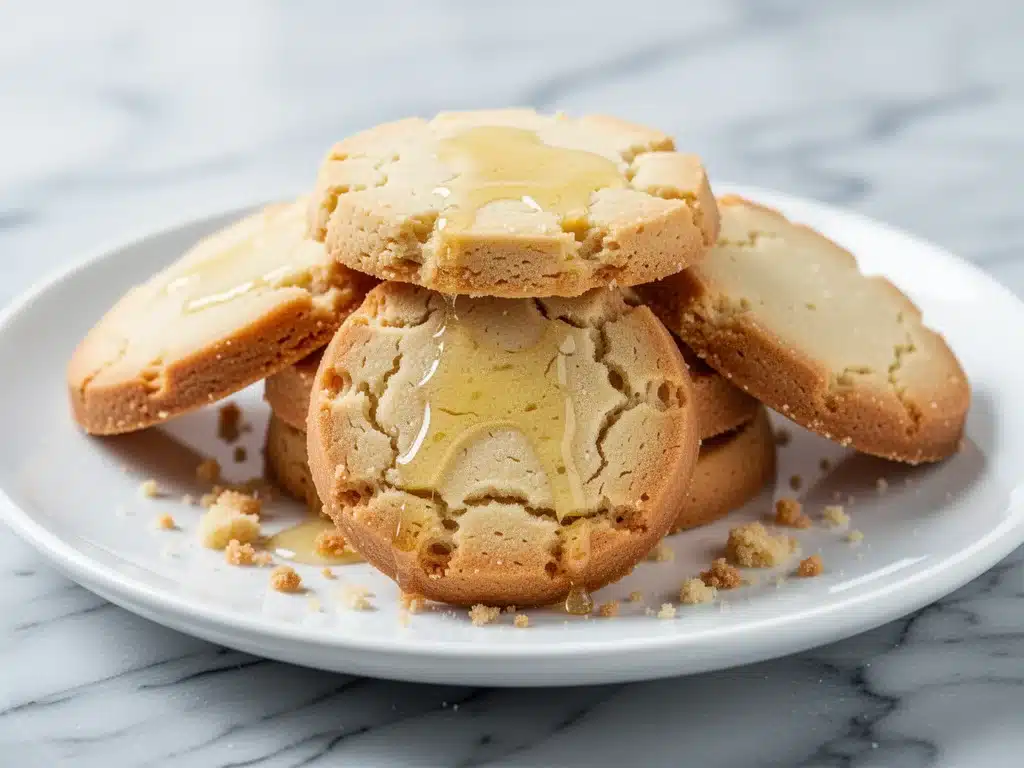
I have a confession to make. For years, I avoided shortbread. I thought it was just boring, dry, old-fashioned cookies that belonged in a tin at a British tea shop, not in my modern kitchen. I kept reaching for chocolate chip or oatmeal raisin—cookies with “personality,” or so I thought. But then I made a batch of shortbread that was so rich, so melt-in-your-mouth buttery, that I literally stopped mid-bite and stared at the plate. It wasn’t just a cookie; it was a moment of pure, simple joy.
That was three years ago. Since then, I’ve made this buttery shortbread cookies recipe at least fifty times. It’s become my go-to gift for neighbors, my emergency dessert when unexpected guests show up, and my Saturday afternoon comfort food. If you’ve ever been intimidated by the idea of “simple” baking, or if you’ve tried shortbread before and found it gritty or bland, this is the version that will change your mind. It’s not complicated. It’s not fancy. But it is, hands-down, the best shortbread you’ll ever taste.
The secret isn’t in a long list of exotic ingredients. It’s in the technique. It’s in knowing exactly how cold your butter should be, how long to mix it, and how to get that perfect sandy texture before it even hits the oven. I’ve tested this recipe with everything from European-style butter to margarine (don’t do that), and I’ve learned exactly what works. Once you nail this, you’ll wonder why you ever bought store-bought cookies again.
Why You’ll Love This Recipe
There are a dozen reasons I keep coming back to this buttery shortbread cookies recipe, but let’s be real—you probably just want to know if it’s worth the effort. Here’s the truth: it’s worth every minute. Here’s why this recipe has earned a permanent spot in my rotation:
- Five Ingredients, Maximum Flavor — Seriously. Butter, sugar, flour, salt, and a touch of vanilla. That’s it. No weird stabilizers, no complex techniques. Just high-quality ingredients doing what they do best. I use the same maple cinnamon rice pudding approach here: when you have few ingredients, they all need to shine.
- Ready in 30 Minutes (Mostly Hands-Off) — You have about 10 minutes of active work. The rest is chilling. I make these on rainy afternoons when I don’t want to sweat over the stove. While the dough chills, I can clean the kitchen or watch a show. It’s stress-free baking.
- Perfect for Gifting — I’ve wrapped these in cellophane with a ribbon and handed them out to teachers, friends, and coworkers. Everyone asks for the recipe. They look fancy and taste expensive, but they cost pennies to make. It’s my favorite low-effort, high-reward social move.
- Crumbly Perfection — The best shortbread should crumble slightly when you bite it, leaving a buttery residue on your fingers. That’s the goal. This recipe hits that texture perfectly every time. No cakey centers, no hard edges.
- Freezer Friendly — I often double or triple this batch. I freeze the dough logs for later use. When I need a quick treat, I just slice and bake. It’s like having homemade cookies on tap.
This isn’t just a cookie; it’s a confidence builder. If you can make this, you can bake. And once you taste how good simple things can be, you’ll never go back to boxed mixes.
Ingredients You’ll Need
Here’s the beauty of shortbread: the ingredient list is short enough to fit on a sticky note. But because there are so few ingredients, quality matters. I’m particular about a few things here, and I’ll tell you exactly why.
For the Dough
Unsalted Butter (1 cup / 226g or 2 sticks) — This is the star. Use high-quality, European-style butter if you can find it (like Kerrygold or Plugra). The higher fat content makes a richer, more tender cookie. If you use salted butter, reduce the added salt to just a pinch. Keep your butter cold but pliable—softened is too warm, straight from the fridge is too hard.
Granulated Sugar (½ cup / 100g) — Don’t swap this for brown sugar. Brown sugar adds moisture and chew, which we don’t want here. We want that crisp, sandy texture. White sugar gives the shortbread its signature snap and crumbly structure.
All-Purpose Flour (2 cups / 250g) — Spoon and level your flour. Do not scoop directly from the bag, or you’ll pack it down and end up with dense, hard cookies. I use Gold Medal AP flour because it’s consistent. If you want gluten-free, you can use a 1:1 gluten-free flour blend, but the texture will be slightly more crumbly.
Salt (½ teaspoon) — Even though we’re using unsalted butter, salt is crucial. It balances the sweetness and enhances the buttery flavor. Don’t skip it. I use fine sea salt for even distribution.
Vanilla Extract (1 teaspoon) — Pure vanilla only. No imitation stuff. It adds a subtle warmth that rounds out the butter. If you want to get fancy, you can add a pinch of almond extract too, but plain vanilla is classic for a reason.
Optional: Sea Salt Flakes — For sprinkling on top before baking. This adds a gorgeous look and a satisfying crunch. I love the contrast of sweet and salty.
Equipment Note
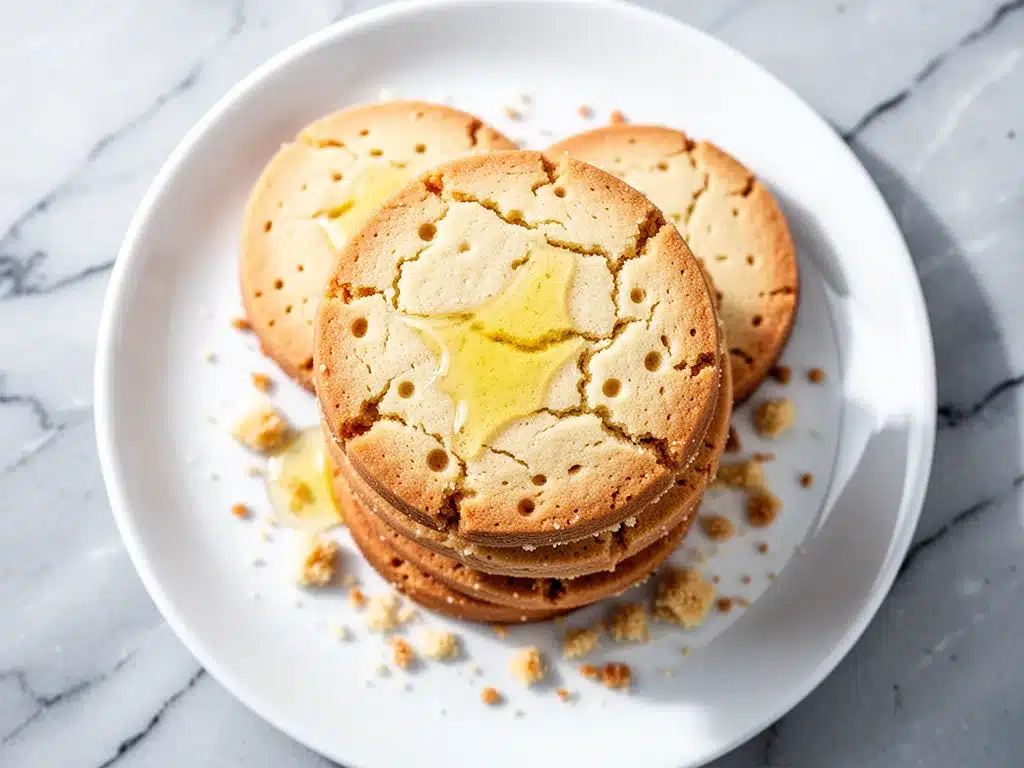
You don’t need a stand mixer for this. A hand mixer or even a sturdy wooden spoon and some elbow grease works fine. I usually use my hand mixer because it creams the butter and sugar faster, but if you’re feeling nostalgic, mixing by hand gives you a great workout and ensures you don’t overwork the dough.
Equipment Needed
You don’t need fancy gadgets for this. Here’s what I actually use in my kitchen:
Large Mixing Bowl — Glass or ceramic works best. I use a 5-quart bowl. It needs to be big enough to mix the dough without flour flying everywhere.
Hand Mixer or Wooden Spoon — A hand mixer is faster, but a wooden spoon gives you more control. I prefer the hand mixer for the first few minutes to get the butter creamy, then switch to the spoon for the flour.
Measuring Cups and Spoons — Precision matters in baking. I use standard measuring cups for dry ingredients and a liquid measuring cup for the butter (if melting, though we’re not melting here). For the most accuracy, weigh your flour if you have a kitchen scale.
Parchment Paper — Line your baking sheets. Shortbread can brown quickly, and parchment prevents sticking and ensures even baking. I never bake shortbread directly on metal sheets anymore.
Rolling Pin — If you’re making cut-out shapes, you’ll need this. For the classic log method, you don’t need it, but it’s handy to have.
Cooling Rack — Essential. Letting cookies cool on the hot pan continues the cooking process, which can make them dry. A rack keeps them crisp.
Sharp Knife or Dough Scraper — For slicing the chilled dough logs. A sharp knife makes clean cuts without squishing the dough.
Storage Container — An airtight tin or container. Shortbread stays fresh for weeks if stored properly. I keep mine in a tin with a piece of bread to maintain moisture—wait, no, that’s for soft cookies. For shortbread, just an airtight container is fine. The bread trick is for softer cookies like oatmeal.
How to Make It: Step-by-Step
Alright, let’s make this! I’m walking you through exactly how I do it, including the little tricks I’ve picked up over dozens of batches.
Step 1: Prep Your Butter and Oven (5 minutes)
Take your butter out of the fridge about 30 minutes before you start. It should be cool to the touch but leave a slight indent when you press it. If it’s too soft, it won’t hold air when creamed, and your cookies will spread too much. Preheat your oven to 325°F (165°C). Lower temperature is key for shortbread—it bakes slowly and evenly without browning too much.
Step 2: Cream the Butter and Sugar (3 minutes)
In your large mixing bowl, combine the softened butter and granulated sugar. Using a hand mixer on medium speed, beat them together for 2-3 minutes until the mixture is light, fluffy, and pale yellow. This step incorporates air, which gives the shortbread its tender texture. If you’re mixing by hand, this will take about 5 minutes of vigorous stirring. Don’t rush it.
Step 3: Add Vanilla and Salt
Stir in the vanilla extract and salt. Mix until just combined. The mixture should smell amazing—buttery and sweet. Scrape down the sides of the bowl to ensure everything is evenly distributed.
Step 4: Incorporate the Flour
Gradually add the flour, one cup at a time, mixing on low speed. Once all the flour is added, mix just until the dough comes together. Do not overmix. Overmixing develops gluten, which leads to tough cookies. The dough should look crumbly at first, then come together into a cohesive mass. If it’s too dry, add a teaspoon of cold water. If it’s too sticky, add a sprinkle more flour.
Step 5: Shape the Dough
Here’s where you choose your adventure. You can roll the dough into a log (about 2 inches in diameter) and wrap it in plastic wrap for slicing later. Or, you can press it into a round pan (like an 8-inch springform pan) and score it into wedges before baking. Or, you can roll it out and cut out shapes with cookie cutters. For this guide, I’m showing the log method because it’s the easiest and most forgiving.
Form the dough into a log on a sheet of plastic wrap. Twist the ends to seal. Chill in the fridge for at least 2 hours, or up to 3 days. Chilling is non-negotiable. It firms up the butter so the cookies hold their shape in the oven.
Step 6: Slice and Bake
When ready to bake, preheat your oven to 325°F (165°C). Line two baking sheets with parchment paper. Slice the chilled log into ½-inch thick rounds. Place them on the baking sheets, leaving 2 inches between each cookie. If you want, sprinkle with sea salt flakes now.
Bake for 15-18 minutes. The edges should be very lightly golden, but the tops should remain pale. Shortbread continues to cook slightly after coming out of the oven, so don’t wait for them to brown.
Step 7: Cool and Serve
Let the cookies cool on the baking sheet for 5 minutes, then transfer to a wire rack to cool completely. They will firm up as they cool. Enjoy plain, or with a cup of tea or coffee. They’re also great dipped in hot chocolate.
Expert Tips & Tricks
Here’s everything I’ve learned from making this recipe dozens of times. These tips will save you from my mistakes.
Butter Temperature is Everything
If your butter is too warm, your cookies will spread into flat disks. If it’s too cold, the dough will be crumbly and hard to work with. Aim for “cool pliable.” If you’re in a hurry, you can grate cold butter into the sugar—it melts slower and gives better texture.
Don’t Overmix the Flour
Once you add the flour, mix only until combined. Overmixing makes the cookies tough. They should be tender and crumbly, not chewy.
Chill Thoroughly
I know it’s tempting to bake right away, but chill the dough for at least 2 hours. Longer is better. If the dough is warm when it hits the oven, the butter melts too fast, and the cookies lose their shape.
Low and Slow Baking
325°F is the magic number. Higher temperatures cause the butter to melt too quickly, leading to greasy, flat cookies. Low and slow ensures even baking and a tender crumb.
Storage Secrets
Store shortbread in an airtight container at room temperature for up to 2 weeks. They actually get better after a day or two as the flavors meld. For longer storage, freeze the baked cookies in a freezer-safe container for up to 3 months. Thaw at room temperature.
Variations & Substitutions
Once you’ve mastered the basic version, here’s how you can mix it up. I’ve tried all of these.
Lemon Shortbread
Add the zest of one lemon to the butter and sugar. It adds a bright, fresh flavor that cuts through the richness. Perfect with tea.
Chocolate Chip Shortbread
Stir in ½ cup of semi-sweet chocolate chips after adding the flour. It’s like a cross between shortbread and a chocolate chip cookie. My kids love this version.
Almond Shortbread
Replace ½ cup of flour with almond flour. Add ½ teaspoon of almond extract. It adds a nutty, sophisticated flavor. This pairs beautifully with the spiced fig and honey ricotta tart if you’re making a dessert spread.
Gluten-Free Option
Use a 1:1 gluten-free flour blend. The texture will be slightly more crumbly, but the flavor is the same. I’ve used Bob’s Red Mill and King Arthur, and both work well.
Vegan Option
Replace butter with vegan butter sticks (not tub spread). Use granulated sugar (some sugars are bone-char processed, so check your brand). The texture will be slightly less tender, but still delicious.
Serving & Storage
How to Serve
I usually serve these plain, on a nice plate, with a cup of Earl Grey tea. But they’re also great with coffee, hot chocolate, or even ice cream. For a fancy touch, drizzle them with melted chocolate or dip half of each cookie in dark chocolate.
Pairing Ideas
Shortbread is a neutral, buttery cookie, so it pairs well with strong, bold drinks. Tea, coffee, or even a stout beer works surprisingly well. I also serve these alongside fruit tarts or brown butter pear upside-down cake for a dessert buffet.
Storage Instructions
Room Temperature: Store in an airtight container for up to 2 weeks. Keep them away from heat and humidity.
Freezing: Freeze baked cookies in a freezer-safe container for up to 3 months. Thaw at room temperature. You can also freeze the dough logs for up to 3 months. Slice and bake from frozen, adding 2-3 minutes to the bake time.
Reheating: Shortbread is best at room temperature. If you want them warm, heat them in the oven at 300°F for 3-5 minutes. They’ll be crisp and fresh-tasting.
Nutrition Information
I’m not a nutritionist, but here’s the breakdown if you’re tracking. Keep in mind that these are estimates based on standard ingredients.
Per Cookie (makes about 24 cookies):
- Calories: 110
- Protein: 1g
- Carbs: 12g
- Fiber: 0g
- Sugar: 4g
- Fat: 7g
- Saturated Fat: 4g
- Cholesterol: 15mg
- Sodium: 60mg
What’s Good: Simple ingredients, no refined oils, no preservatives.
What to Know: High in fat and calories due to the butter content. It’s a rich treat, so a little goes a long way. Enjoy in moderation.
Final Thoughts
So that’s my go-to buttery shortbread cookies recipe! I’ve probably talked your ear off at this point, but when you make a recipe this often, you have a lot to say about it. This has saved me more times than I can count. It’s my answer to “what’s for dessert” when I’m tired, don’t want to order takeout, and still want something that tastes really good. My family is happy, my guests are impressed, and I’m happy because I’m not stressed about cooking.
Make it yours! Try different extracts, add nuts, or dip them in chocolate. The best recipes are the ones you adapt to your tastes. If you make this, drop a comment and let me know what you think! I love hearing how recipes turn out in your kitchen. And if something doesn’t work, tell me that too—I’m here to help troubleshoot.
Happy baking! And I hope your kitchen smells half as good as mine does right now.
Frequently Asked Questions
Why did my shortbread cookies spread too much?
This usually happens if the butter was too soft when you mixed it, or if you didn’t chill the dough long enough. Make sure your butter is cool but pliable, and chill the dough for at least 2 hours. If you’re in a warm kitchen, chill the baking sheet with the cookies on it for 10 minutes before baking.
Can I use salted butter instead of unsalted?
You can, but reduce the added salt in the recipe to just a pinch. Salted butter varies in salt content, so you want to control the final saltiness yourself. Unsalted butter is preferred for baking because you know exactly how much salt you’re adding.
How do I know when shortbread is done?
Shortbread is done when the edges are very lightly golden, but the tops are still pale. They should feel firm to the touch. Don’t wait for them to brown, or they’ll be too crunchy. They’ll firm up as they cool.
Can I make the dough ahead and freeze it?
Yes! Wrap the dough log tightly in plastic wrap, then in foil. Freeze for up to 3 months. When ready to bake, thaw in the fridge overnight, then slice and bake as directed.
Why is my shortbread crumbly and falling apart?
This can happen if you overmixed the flour, or if the dough was too dry. Make sure you’re spooning and leveling your flour, not scooping it. If the dough feels too dry, add a teaspoon of cold water. Also, ensure you’re not overbaking—shortbread should be pale.
Can I add chocolate chips to this recipe?
Absolutely. Stir in ½ cup of chocolate chips after adding the flour. You can also add nuts or dried fruit. Just be aware that adding mix-ins will change the texture slightly, making it less traditional but still delicious.
How long do shortbread cookies last?
Stored in an airtight container at room temperature, they last up to 2 weeks. In the freezer, they last up to 3 months. They actually get better after a day or two as the flavors meld.
Pin This Recipe!
Buttery Shortbread Cookies: Best Easy Recipe
- Total Time: 30 minutes
- Yield: 24 cookies 1x
Description
A simple, melt-in-your-mouth shortbread cookie made with just five high-quality ingredients. This recipe yields crisp, crumbly cookies that are perfect for gifting or enjoying with tea.
Ingredients
- 1 cup (226g) unsalted butter, cold but pliable
- ½ cup (100g) granulated sugar
- 2 cups (250g) all-purpose flour, spooned and leveled
- ½ teaspoon fine sea salt
- 1 teaspoon pure vanilla extract
- Sea salt flakes, optional for sprinkling on top
Instructions
- Preheat oven to 325°F (165°C). Take butter out of the fridge 30 minutes before starting; it should be cool but leave a slight indent when pressed.
- In a large mixing bowl, cream the butter and granulated sugar together using a hand mixer on medium speed for 2-3 minutes until light, fluffy, and pale yellow.
- Stir in the vanilla extract and salt until just combined.
- Gradually add the flour, one cup at a time, mixing on low speed. Mix only until the dough comes together into a cohesive mass; do not overmix.
- Form the dough into a log (about 2 inches in diameter) on plastic wrap, twist ends to seal, and chill in the fridge for at least 2 hours.
- Preheat oven to 325°F (165°C) again if it cooled down. Line baking sheets with parchment paper.
- Slice the chilled dough log into ½-inch thick rounds. Place on baking sheets, leaving 2 inches between cookies. Sprinkle with sea salt flakes if desired.
- Bake for 15-18 minutes until edges are very lightly golden but tops remain pale.
- Let cookies cool on the baking sheet for 5 minutes, then transfer to a wire rack to cool completely.
Notes
Butter temperature is critical; it must be cool but pliable. Do not overmix the flour to avoid tough cookies. Chill the dough thoroughly to prevent spreading. Shortbread continues to cook slightly after removal from the oven, so do not wait for browning.
- Prep Time: 10 minutes
- Cook Time: 18 minutes
- Category: Dessert
- Cuisine: British
Nutrition
- Serving Size: 1 cookie
- Calories: 110
- Sugar: 4
- Sodium: 60
- Fat: 7
- Saturated Fat: 4
- Carbohydrates: 12
- Protein: 1
Keywords: shortbread cookies, buttery cookies, easy baking, holiday gifts, gluten-free option, vegan option, simple dessert