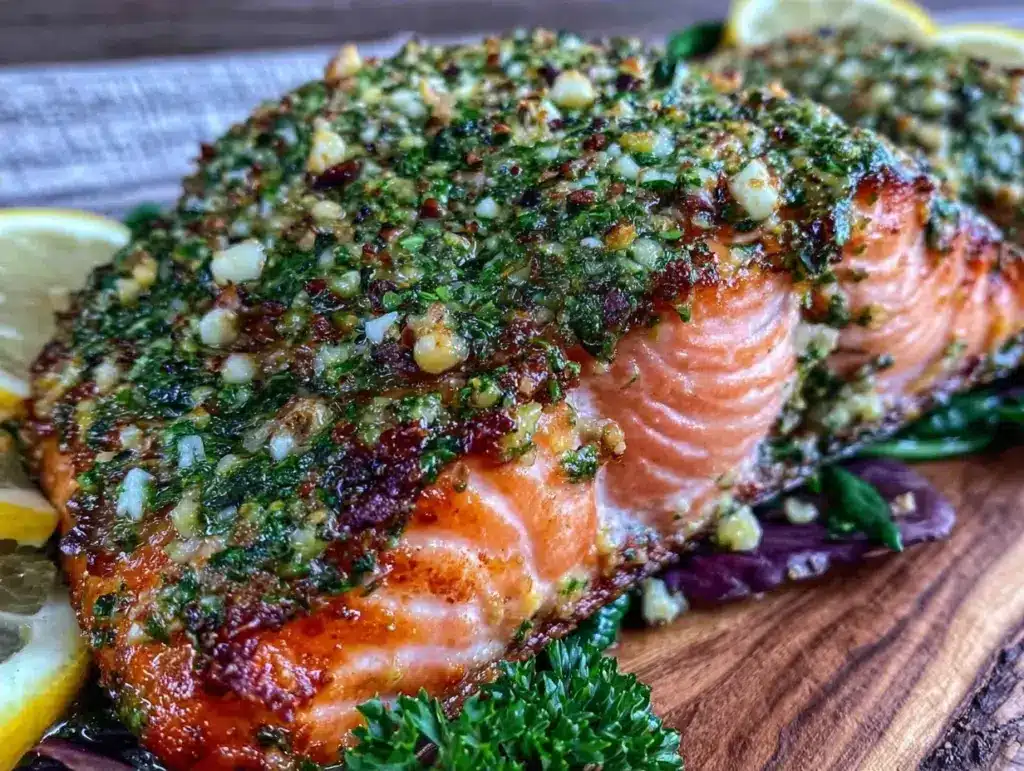
I have to be honest with you. For the longest time, I was terrified of cooking fish. Not because it was hard, but because it was so easy to mess up. You overcook it by three minutes, and suddenly you’re staring at a dry, rubbery puck that tastes like sadness. I avoided salmon entirely because I couldn’t trust myself to get it right without a thermometer or a timer screaming in my ear.
Then, about two years ago, my doctor sat me down and talked about blood sugar management. It wasn’t about starving myself or eating cardboard-flavored diet food. It was about choosing foods that actually nourished my body and kept my levels steady. Enter the diabetic-friendly baked salmon with Dijon herb crust. It wasn’t just a meal; it was a revelation.
I made this recipe for the first time on a random Tuesday, mostly because I had a file of salmon in the freezer that I needed to use. I followed a vague idea—mustard, herbs, oven, done—and the result was so good that I immediately added it to our rotation. My husband, who is notoriously picky about anything that “smells like the ocean,” asked for the recipe the next day. That’s when I knew I had something special.
This isn’t just about being healthy. It’s about eating food that tastes incredible, looks impressive, and requires almost zero skill to pull off. If you can chop an herb and spread a spoonful of mustard, you can master this. It’s forgiving, it’s fast, and it’s the kind of dinner that makes you feel like a gourmet chef without the stress. Let’s get into why this simple dish is about to become your new best friend.
Why You’ll Love This Diabetic-Friendly Baked Salmon
There are a dozen reasons I keep coming back to this recipe, but let’s be real: it’s the simplicity that wins you over. Here’s the breakdown of why this diabetic-friendly baked salmon with Dijon herb crust is worth your time (and your appetite).
It’s Actually Forgiving — Seriously, this is the most beginner-proof protein you’ll ever cook. Unlike chicken breast, which dries out if you look at it wrong, salmon is forgiving. It stays moist even if you’re slightly off on the timing. I’ve made this with my teenage nephew, and he didn’t burn a single fillet. You really can’t mess this up.
Blood Sugar Friendly — This is huge for me. Salmon is packed with omega-3 fatty acids and protein, which means it doesn’t spike your glucose. The Dijon mustard adds flavor without the sugar crash that comes from sweet glazes or marinades. It’s a meal that keeps your energy steady, not crashing an hour later.
Five Ingredients, Max — I’m not joking. We’re talking salmon, Dijon mustard, fresh herbs, olive oil, and lemon. That’s it. No weird pantry items you’ll buy once and forget about. If you have these in your kitchen, you’re already halfway to dinner.
Restaurant Quality, Zero Effort — The crust gives you that restaurant-style presentation that looks fancy but is just… sitting there. You put it in the oven, and it bakes itself. While it’s cooking, you can just relax. I usually use this time to set the table or just sit on the couch. It feels like a cheat code for entertaining.
Meal Prep Magic — Salmon reheats beautifully, or it’s even better cold in a salad. I make this twice a week so I have lunch ready to go. It keeps well in the fridge for three days, and the flavors actually meld together and get better over time.
This is my go-to when I want to eat well without thinking about it. It’s reliable, it’s delicious, and it proves that healthy eating doesn’t have to be complicated.
Ingredients You’ll Need
Here’s the best part: you probably have most of this already. I’m particular about three things here, but for the rest, whatever you have works. This diabetic-friendly baked salmon with Dijon herb crust relies on high-quality basics, not obscure spices.
SALMON FILLETS (4 pieces, about 6 oz each) — Look for wild-caught if your budget allows, but farmed is fine too. The key is to get fillets that are relatively even in thickness so they cook at the same rate. If you buy a big block, just cut it into four pieces. Skin-on is easier to handle, but skinless works too.
DIJON MUSTARD (3 tablespoons) — This is the star of the crust. Use the real stuff, not the yellow mustard that tastes like vinegar water. Grey Poupon or a good store-brand Dijon works. It adds that tangy kick that cuts through the richness of the fish.
OLIVE OIL (2 tablespoons) — Extra virgin is best here for flavor. It helps the herbs stick to the salmon and keeps the fish moist while it bakes. Don’t skimp on this; the fat is your friend in keeping the texture right.
PARSLEY (2 tablespoons, fresh) — Flat-leaf parsley is my go-to. It’s mild and fresh, not overpowering. If you don’t have fresh, you can use 1 tablespoon of dried, but fresh really makes a difference in the flavor profile.
GARLIC (2 cloves, minced) — Fresh garlic only. No jarred stuff here. It adds a savory depth that pairs perfectly with the mustard. Mince it finely so you don’t get huge chunks in every bite.
LEMON (1 lemon) — You’ll need juice and zest. The zest adds that bright, citrusy aroma, and the juice adds acidity to balance the dish. Slices for garnish are optional but look pretty.
COARSE SALT & BLACK PEPPER — To taste. I use flaky sea salt if I have it, but regular kosher salt works fine. Just don’t be shy with the pepper.
Optional: RED PEPPER FLAKES — If you like a little heat, a pinch of red pepper flakes in the crust adds a nice background warmth. I usually add this because I like a little kick.
That’s it. No sugar, no heavy sauces, no complicated techniques. Just good, honest ingredients doing what they do best.
Equipment Needed
You don’t need fancy equipment for this. Here’s what I actually use.
Baking Dish or Sheet Pan — I use a 9×13 inch baking dish. It holds all four fillets nicely without them overlapping. A sheet pan works too, but make sure you line it with parchment paper so cleanup is instant. I’m lazy, so I always use parchment.
Small Mixing Bowl — For combining the mustard, herbs, and garlic. Any small bowl works. I use a ramekin sometimes if I’m just making a tiny amount.
Measuring Spoons — Standard stuff. I keep a set right next to my stove. Dollar store versions work fine.
Pastry Brush or Spoon — To spread the mustard mixture. I usually just use the back of a spoon because it’s faster and I don’t want to wash a brush. It spreads evenly enough.
Zester or Microplane — For the lemon zest. If you don’t have one, you can use a regular grater, just be careful not to get the white pith. It’s bitter. Learned that one the hard way.
Knife and Cutting Board — For chopping the herbs and garlic. Sharp knives make this easier, but any knife works.
Oven — Obviously. Preheat to 400°F (200°C). Make sure it’s actually at the right temperature; an oven thermometer helps if you’re unsure.
That’s all you need. No stand mixer, no food processor, no fancy gadgets. Just basic kitchen tools you probably already own.
How to Make It: Step-by-Step
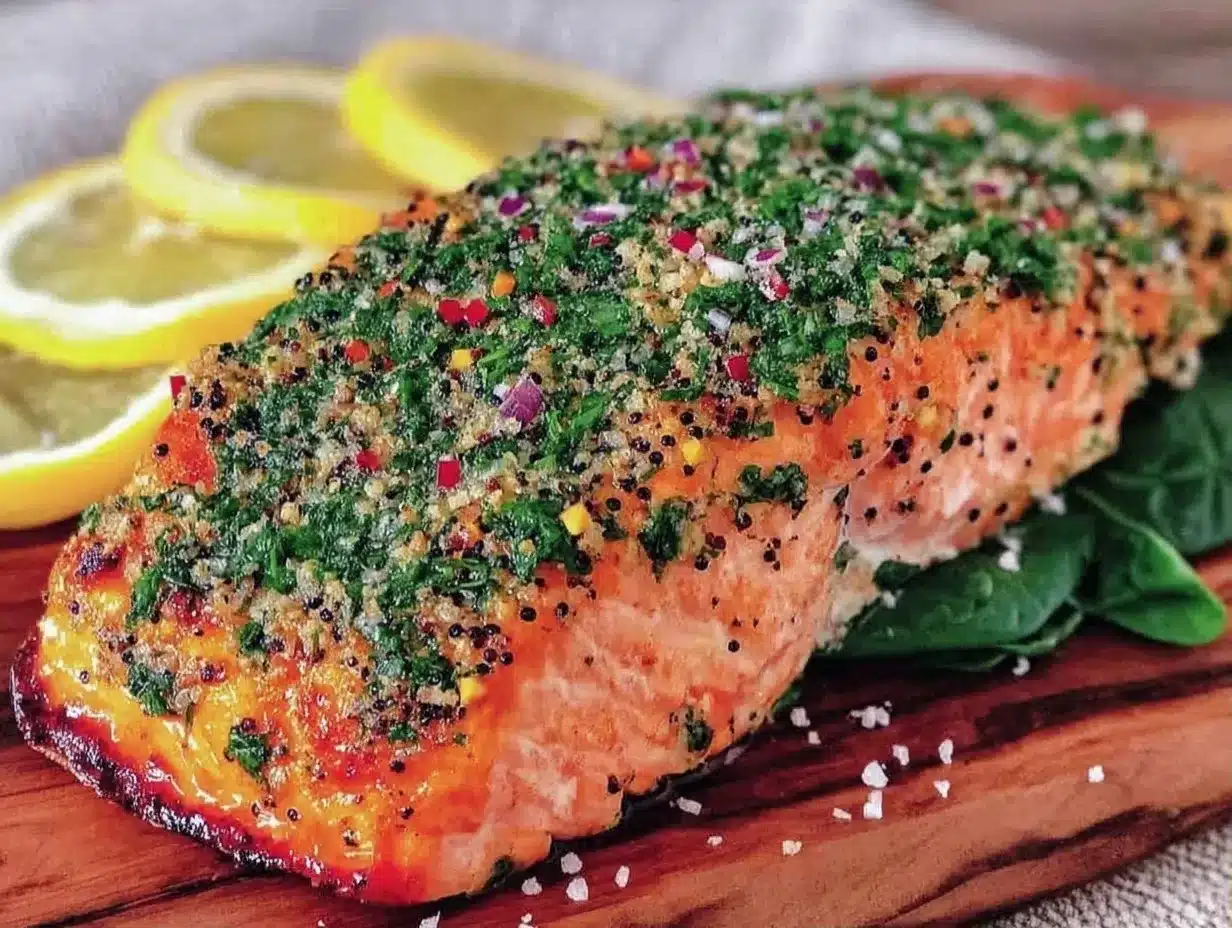
Alright, let’s make this! I’m walking you through exactly how I do it, including the little tricks I’ve picked up over the years.
Step 1: Prep Your Oven and Pan (5 minutes)
Preheat your oven to 400°F (200°C). While it’s heating up, line your baking dish or sheet pan with parchment paper. This is my non-negotiable step. It makes cleanup a breeze, and you won’t have to scrub burnt mustard off your dish later. Trust me on this.
Step 2: Prepare the Salmon (5 minutes)
Pat the salmon fillets dry with paper towels. This seems minor, but removing excess moisture helps the crust stick better. If the fish is wet, the mustard slides off. Place the fillets in your prepared baking dish, skin-side down if they have skin. Season lightly with salt and pepper on both sides. Don’t go crazy with the salt yet; the mustard and cheese (if you add it) will add more flavor.
Step 3: Make the Dijon Herb Crust (3 minutes)
In your small mixing bowl, combine the Dijon mustard, olive oil, minced garlic, lemon zest, and chopped parsley. Whisk it together until it’s a smooth, thick paste. Taste it—it should be tangy and herby. If it’s too thick, add a teaspoon more olive oil. If it’s too runny, add a pinch more parsley. You want a spreadable consistency.
Step 4: Coat the Salmon (2 minutes)
Using the back of a spoon, spread a generous layer of the mustard mixture over the top of each salmon fillet. Make sure you cover the entire surface. Don’t worry about getting it on the sides or bottom; we only care about the top. The crust will bake into a beautiful, fragrant layer.
Step 5: Bake (12-15 minutes)
Place the baking dish in the preheated oven. Bake for 12-15 minutes. The exact time depends on the thickness of your fillets. A good rule of thumb: cook for 4-5 minutes per inch of thickness. The salmon is done when it flakes easily with a fork and is opaque throughout. It should still be slightly moist in the center; it will continue to cook a bit as it rests.
Step 6: Rest and Serve (5 minutes)
Remove the salmon from the oven and let it rest for 5 minutes. This allows the juices to redistribute, so you don’t lose moisture when you cut into it. Squeeze fresh lemon juice over the top right before serving. This brightens everything up. Garnish with a few extra parsley leaves if you want it to look fancy.
Total time is about 30 minutes, but active cooking time is only 15 minutes. The rest is just waiting for the oven to do its job.
Expert Tips & Tricks
Here’s everything I’ve learned from making this dozens of times. These tips will save you from my mistakes.
Don’t Overcook It — This is the #1 mistake. Salmon continues to cook after you take it out of the oven. If it looks fully opaque when you pull it out, it might be overdone by the time you eat it. Aim for just opaque, with a slight translucency in the very center. It’s better to undercook slightly than to have dry fish.
Use Fresh Herbs — I know dried herbs are convenient, but fresh parsley makes a huge difference here. The flavor is brighter and more aromatic. If you’re using dried, reduce the amount by half because dried herbs are more potent.
Room Temperature Salmon — Take your salmon out of the fridge 10-15 minutes before cooking. Cold fish hits a hot oven and can cook unevenly. Letting it sit out for a bit ensures it cooks more evenly.
Quality Matters — Good salmon makes a big difference. If you can afford wild-caught Alaskan salmon, go for it. It has a firmer texture and richer flavor. But if you’re on a budget, farmed Atlantic salmon works perfectly fine. Just make sure it smells fresh, not fishy.
Flavor Variations — Once you get the hang of this base, you can experiment. Try adding a little grated ginger to the mustard mix for an Asian-inspired twist. Or swap parsley for dill, which is a classic pairing with salmon. Both work beautifully.
Check for Bones — Before you start, run your fingers over the fillet to check for any small bones. They’re usually easy to pull out with tweezers. Nothing ruins a good meal like biting into a bone.
Variations & Substitutions
Once you’ve nailed the basic version, here’s how you can mix it up. I’ve tried all of these, and they’re all winners.
Herb Swap — Dill is the classic partner for salmon. If you prefer dill, use 2 tablespoons of fresh dill instead of parsley. It gives a more traditional, Scandinavian vibe. I use dill when I want something more elegant.
Spicy Kick — Add 1/2 teaspoon of red pepper flakes or a dash of hot sauce to the mustard mixture. It adds a nice heat that balances the tang. I do this when I want something a bit more bold.
Honey Mustard Twist — If you’re not strictly avoiding sugar, add 1 teaspoon of honey to the mustard mix. It caramelizes in the oven and creates a sticky, sweet-savory crust. Just note that this adds a small amount of sugar, so adjust accordingly if you’re watching your intake.
Garlic Lover’s Version — Double the garlic. I mean it. 4 cloves instead of 2. It adds a robust flavor that stands up to the mustard. If you’re feeding garlic-haters, stick to the original amount.
Crunchy Topping — For extra texture, sprinkle a little panko breadcrumbs mixed with a bit of olive oil on top before baking. It adds a nice crunch that contrasts with the soft fish. I do this when I want it to feel more like a main course.
Dietary Modifications — This recipe is naturally gluten-free and dairy-free. If you’re vegan, you can’t make this exact dish, but you can use firm tofu and the same marinade. It works surprisingly well. For a lower-fat version, you can reduce the olive oil to 1 tablespoon, but the fish might be slightly less moist.
Serving & Storage
This salmon is versatile and pairs well with a variety of sides. Here’s how I usually serve it.
Side Dishes — I love serving this with steamed asparagus or roasted broccoli. The lemon and herbs complement the vegetables perfectly. Quinoa or brown rice are great grain options that keep the meal balanced. For a low-carb option, cauliflower rice is a fantastic substitute. I often pair it with a simple green salad with vinaigrette.
Wine Pairing — A crisp white wine like Sauvignon Blanc or Pinot Grigio goes beautifully with this. The acidity in the wine matches the lemon and mustard. If you don’t drink alcohol, sparkling water with lemon works just as well.
Storage — Store leftovers in an airtight container in the fridge for up to 3 days. The salmon will keep well, and the flavors continue to develop. Reheat gently in the microwave or eat it cold in a salad. I actually prefer it cold the next day.
Freezing — You can freeze cooked salmon, but the texture might change slightly. It’s best eaten fresh. If you must freeze it, wrap it tightly in plastic wrap and foil. Thaw in the fridge overnight before reheating.
Meal Prep — This is perfect for meal prep. Make a batch on Sunday, and you have healthy lunches for the week. Just store the salmon separately from the grains or veggies to keep textures intact.
Nutrition Information
I’m not a nutritionist, but here’s the breakdown if you’re tracking. This is based on one fillet with the crust.
Per Serving (1 fillet):
- Calories: 280
- Protein: 25g
- Carbs: 2g
- Fiber: 0g
- Sugar: 1g
- Fat: 18g
- Saturated Fat: 3g
- Cholesterol: 70mg
- Sodium: 350mg
What’s Good: High in protein, low in carbs, rich in omega-3s. Great for blood sugar management.
What to Know: Contains fish and some sodium from the mustard. Use low-sodium mustard if you’re watching salt intake.
My Take: This is a nutrient-dense meal that keeps you full and satisfied. It’s not a diet food; it’s just good, honest food that supports your health goals without sacrificing flavor.
Final Thoughts
So that’s my go-to diabetic-friendly baked salmon with Dijon herb crust! I’ve probably talked your ear off at this point, but when you make a recipe this often, you have a lot to say about it.
This has saved weeknight dinners more times than I can count. It’s my answer to “what’s for dinner” when I want to eat well but don’t want to spend hours in the kitchen. It’s foolproof, it’s healthy, and it tastes amazing. My family loves it, and I love that I can feel good about what I’m feeding them.
Make it yours! Try different herbs, add some heat, or serve it with your favorite veggies. The best recipes are the ones you adapt to your tastes. If you make this, drop a comment and let me know how it turned out! I love hearing from you.
Happy cooking! And I hope your kitchen smells half as good as mine does right now.
Frequently Asked Questions
Q: Can I use frozen salmon?
A: Yes, but you need to thaw it completely first. Pat it dry very well to remove excess moisture. If you cook it while it’s still icy, it’ll steam instead of bake, and the texture will be mushy. Thaw in the fridge overnight for best results.
Q: Why did my salmon turn out dry?
A: It was likely overcooked. Salmon cooks very quickly. Start checking it at 10 minutes. It should flake easily but still be slightly moist in the center. Remember, it continues to cook after you take it out of the oven.
Q: Can I make this in an air fryer?
A: Absolutely! Cook at 375°F for 8-10 minutes. The smaller space means it cooks faster, so keep an eye on it. The crust might get a bit crispier, which is nice.
Q: Is this recipe safe for diabetics?
A: Yes, it’s very diabetic-friendly. Salmon is low in carbs and high in protein and healthy fats, which help stabilize blood sugar. Just be mindful of the mustard—check the label to ensure it doesn’t have added sugar. Most Dijon mustards are sugar-free.
Q: Can I add cheese to the crust?
A: You can, but it’s not traditional. Parmesan or feta would work if you want a salty kick. Just keep in mind that adding cheese increases the fat and calorie content slightly. It’s optional, but delicious if you’re not strictly watching fat intake.
Q: How do I know when the salmon is done?
A: Use a fork to gently press the top of the fillet. If it flakes easily and the interior is opaque, it’s done. If you have a meat thermometer, it should read 145°F (63°C) at the thickest part. But I usually go by the flake test because it’s more reliable for salmon.
Q: Can I double this recipe?
A: Yes, just make sure your baking dish is large enough to hold the fillets in a single layer. If you have to overlap them, they’ll steam instead of bake. You might need to use two pans or a larger dish.
Pin This Recipe!
Diabetic-Friendly Baked Salmon with Dijon Herb Crust
- Total Time: 30 minutes
- Yield: 4 servings 1x
Description
A forgiving, beginner-friendly baked salmon recipe featuring a tangy Dijon mustard and herb crust. This meal is low-carb, diabetic-friendly, and ready in just 30 minutes with minimal effort.
Ingredients
- 4 salmon fillets (about 6 oz each)
- 3 tablespoons Dijon mustard
- 2 tablespoons extra virgin olive oil
- 2 tablespoons fresh flat-leaf parsley, chopped
- 2 cloves garlic, minced
- 1 lemon (zest and juice)
- Coarse salt and black pepper, to taste
- Red pepper flakes (optional, for heat)
Instructions
- Preheat oven to 400°F (200°C). Line a 9×13 inch baking dish or sheet pan with parchment paper.
- Pat salmon fillets dry with paper towels and place them in the prepared dish, skin-side down. Season lightly with salt and pepper on both sides.
- In a small mixing bowl, whisk together Dijon mustard, olive oil, minced garlic, lemon zest, and chopped parsley until a smooth paste forms.
- Spread a generous layer of the mustard mixture over the top of each salmon fillet.
- Bake for 12-15 minutes, or until the salmon flakes easily with a fork and is opaque throughout.
- Remove from oven and let rest for 5 minutes before serving. Squeeze fresh lemon juice over the top and garnish with extra parsley if desired.
Notes
Do not overcook the salmon; it continues to cook after being removed from the oven. For best results, use fresh herbs and let the salmon come to room temperature for 10-15 minutes before cooking to ensure even baking. Check for bones before preparing.
- Prep Time: 15 minutes
- Cook Time: 15 minutes
- Category: Main Course
- Cuisine: American
Nutrition
- Serving Size: 1 fillet with crust
- Calories: 280
- Sugar: 1
- Sodium: 350
- Fat: 18
- Saturated Fat: 3
- Carbohydrates: 2
- Protein: 25
Keywords: diabetic-friendly, baked salmon, Dijon mustard, healthy dinner, low carb, gluten-free, dairy-free, easy recipe, beginner cooking, omega-3