It was late October, and the air had that specific crisp bite that makes you want to pull a blanket over your knees and drink something warm. I was standing in my kitchen, staring at a half-empty bottle of apple cider that had been sitting in the fridge for a week. I wasn’t in the mood for baking something complicated. I didn’t want to worry about layers, or intricate piping, or spending three hours on a recipe that might end up looking like a science experiment gone wrong.
I wanted something that tasted like autumn. I wanted the smell of cinnamon and brown sugar to fill the house and make my neighbors wonder if I was running a bakery. So, I threw together what I thought would be a simple apple cake. I reduced the cider on the stove, mixed it into a basic sheet cake batter, and topped it with a frosting that tasted like a cinnamon roll.
It was supposed to be a one-night thing. Instead, my family demanded it every weekend for a month. My husband, who usually prefers cookies, keeps asking for slices of this cake. Even my picky eater kids (who think “spice” is a dirty word) ask for seconds.
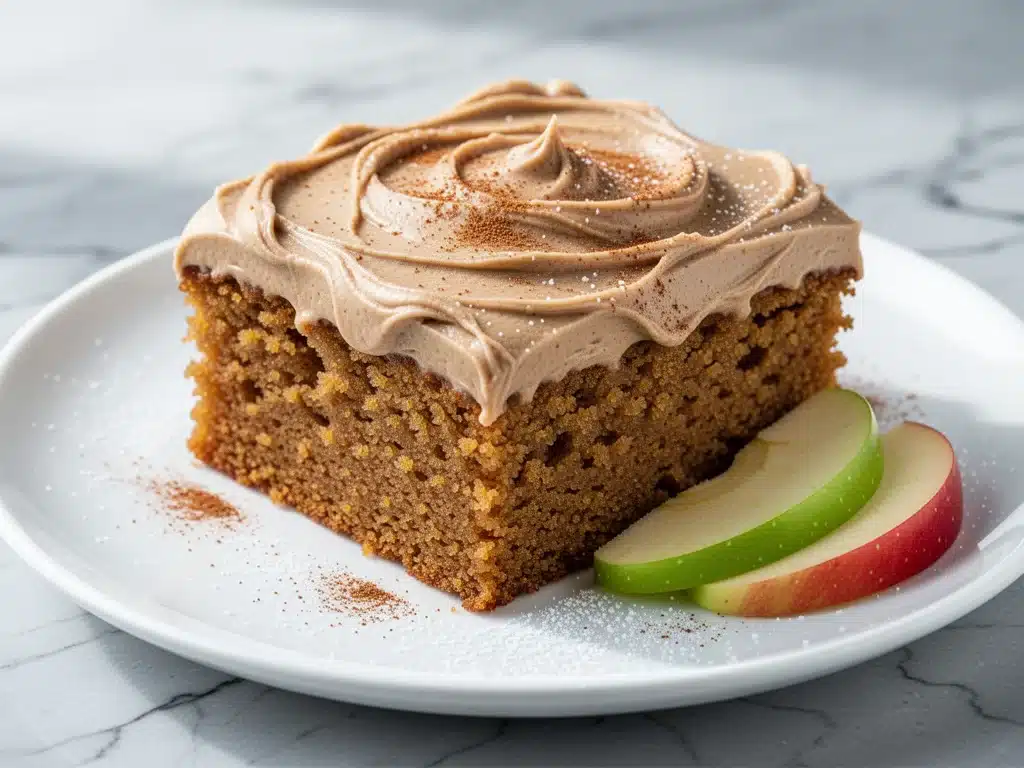
This fall apple cider sheet cake with cinnamon brown sugar frosting has become my go-to dessert for everything from potlucks to quiet Tuesday nights. It’s moist, it’s spiced, and it’s incredibly easy to make in a single pan. I’ve tested this recipe at least a dozen times, tweaking the cider reduction and the frosting ratio until it was perfect. And let me tell you, once you take a bite, you’ll understand why I’m obsessed.
If you’re looking for that cozy, warm feeling that only baked goods can provide, this is it. It’s better than my fall brown butter pear upside-down cake because it’s faster to make, and it’s just as flavorful. Let’s get into why this recipe is going to become a staple in your kitchen.
Why You’ll Love This Recipe
There are plenty of apple cakes out there, but this one is different. It’s not just an afterthought to whatever else you’re baking. It’s the star of the show. Here’s why I keep making this, and why you will too:
It Uses Real Apple Cider — Not apple juice from a carton, and not that fake “apple flavor” syrup. I’m talking about fresh, pressed apple cider. You can find it at farmers markets, grocery stores, or even some gas stations in the fall. The flavor is deep, tangy, and incredibly aromatic. It transforms a standard yellow cake into something seasonal and special.
Zero Waste Cider — Here’s the best part: fresh apple cider is expensive and you can’t always drink it all before it goes bad. By reducing it down to a syrup, you’re concentrating the flavor and using up that bottle so it doesn’t spoil. It’s a clever way to get the most out of your seasonal ingredients.
One Pan, Minimal Cleanup — Sheet cakes are my secret weapon for lazy bakers. You mix the batter in one bowl, pour it into a 9×13 pan, bake it, and then mix the frosting in the same bowl (after a quick rinse). No layers to stack, no complex assembly. Just dump, bake, and frost. It’s perfect for when you don’t want to spend hours in the kitchen.
The Frosting Is The Best Part — I know, I know, you’re here for the cake. But the cinnamon brown sugar frosting is what makes you come back. It’s creamy, sweet, and has that warm spice kick that reminds me of fall mornings. It’s not too heavy, so you can eat a whole slice without feeling guilty (okay, maybe a little guilty, but it’s worth it).
It Stays Moist for Days — Most sheet cakes dry out by day three. Not this one. The cider keeps the crumb incredibly tender and moist. In fact, I’ve found that this cake tastes even better the next day, after the flavors have had time to meld. I often make it on Sunday and eat it all week long.
It’s Beginner-Friendly — I’ve made this for friends who have never baked a day in their lives, and they’ve nailed it on the first try. There’s no fancy technique required. Just whisk, pour, bake, and spread. If you can boil water, you can make this cake.
This recipe has saved me more times than I can count. It’s my answer to “what should I bring to the party?” or “what should I make for dessert tonight?” when I’m tired but still want to impress. It’s reliable, delicious, and totally crowd-pleasing.
Ingredients You’ll Need
Here’s the thing: you probably have most of these ingredients already. They’re pantry staples, with the exception of the apple cider. I’m particular about a few things here, so let’s break down what you need and why.
For the Cake
Apple Cider (2 cups / 480ml) — This is the star. Use fresh, clear apple cider. If you’re using cloudy cider, that’s fine too, just make sure it’s not fermented. You’ll be reducing this down, so the flavor concentrates. If you can’t find fresh cider, you can use apple juice, but the flavor won’t be as deep.
Unsalted Butter (½ cup / 113g, softened) — Room temperature butter is key for a light, fluffy cake. If your butter is cold, it won’t cream properly with the sugar, and your cake will be dense. I usually take it out of the fridge 30 minutes before I start.
Granulated Sugar (1 cup / 200g) — This gives the cake its sweetness and structure. Don’t reduce this, or the cake will be dry.
Brown Sugar (½ cup / 100g, packed) — This adds moisture and a hint of caramel flavor. It also plays nicely with the cinnamon in the frosting. Dark brown sugar is best, but light works too.
Eggs (2 large) — Room temperature eggs incorporate better into the batter. If you forget to take them out, just drop them in a bowl of warm water for 5 minutes.
Vanilla Extract (2 teaspoons) — Use pure vanilla extract, not imitation. It makes a noticeable difference in flavor.
All-Purpose Flour (2 cups / 250g) — I use Gold Medal or King Arthur. Spoon and level your flour—don’t scoop it straight from the bag, or you’ll end up with too much flour and a dry cake.
Baking Powder (1 teaspoon) — Make sure it’s fresh. If your baking powder is older than 6 months, it might not leaven properly, and your cake will be flat.
Baking Soda (½ teaspoon) — This reacts with the acidity in the cider to help the cake rise.
Salt (½ teaspoon) — Enhances all the flavors. Don’t skip it.
Cinnamon (1 teaspoon) — Ground cinnamon. Adds that classic fall warmth.
For the Cinnamon Brown Sugar Frosting
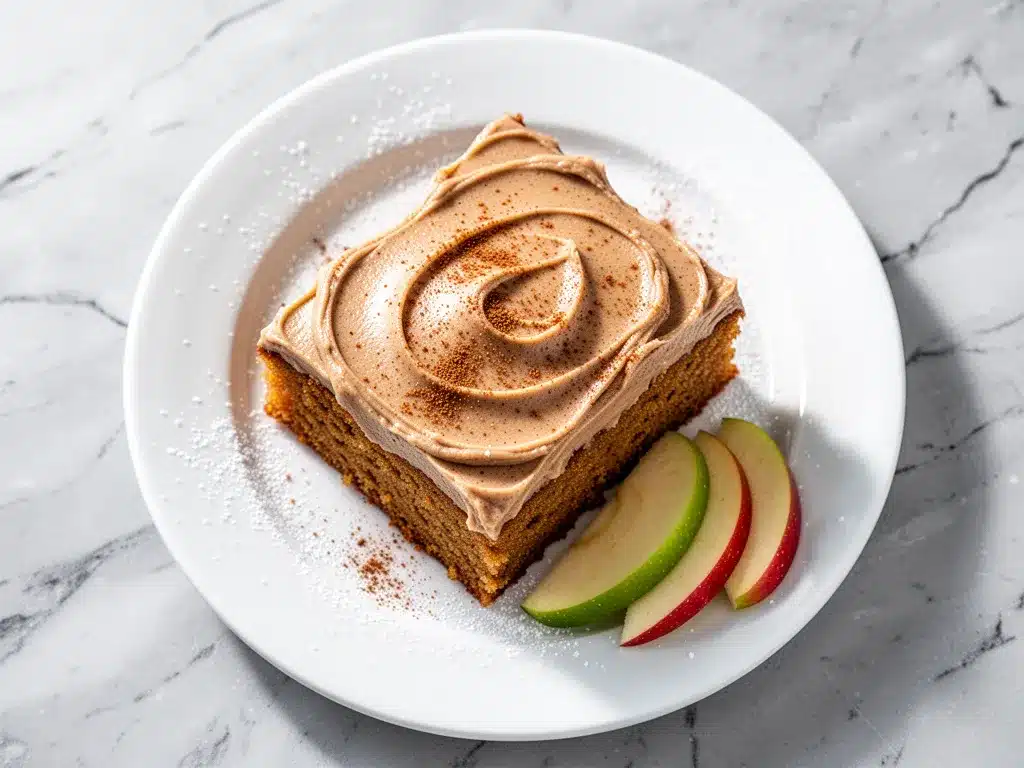
Butter (½ cup / 113g, softened) — Again, room temperature is crucial for a smooth frosting.
Powdered Sugar (2 cups / 240g) — Sift this if it’s clumpy. Nobody wants lumpy frosting.
Heavy Cream (2-3 tablespoons) — Adds richness and helps reach the right consistency. Start with 2 tablespoons and add more if needed.
Brown Sugar (½ cup / 100g, packed) — This is the main flavor in the frosting. It gives it that deep, molasses-like taste.
Cinnamon (1 teaspoon) — Double the cinnamon here because it’s the star of the frosting.
Salt (¼ teaspoon) — Balances the sweetness.
Optional Add-ins: I love adding a handful of chopped pecans or walnuts to the frosting for crunch. Or, you can sprinkle some extra cinnamon on top before serving.
Equipment Needed
You don’t need fancy equipment for this. Here’s what I actually use:
9×13 Inch Baking Pan — This is a sheet cake, so it needs to be baked in a 9×13 pan. Grease it well with butter or cooking spray. I like to line the bottom with parchment paper for easy removal, though it’s not strictly necessary.
Large Mixing Bowl — You’ll mix the cake batter in this. Make sure it’s big enough to hold all the ingredients without spilling.
Hand Mixer or Stand Mixer — I use a hand mixer for this recipe because it’s quick and easy to clean. A stand mixer works too, but you’ll need to scrape down the sides.
Saucepan — For reducing the apple cider. A medium-sized saucepan works best. You want the liquid to simmer gently, not boil vigorously.
Measuring Cups and Spoons — Standard stuff. Dollar store versions work fine.
Whisk — For mixing the dry ingredients.
Spatula — For scraping down the sides of the bowl and spreading the frosting.
Cooling Rack — To cool the cake before frosting. Don’t skip this, or your frosting will melt.
How to Make It: Step-by-Step
Alright, let’s make this! I’m walking you through exactly how I do it, including the little tricks I’ve picked up.
Step 1: Reduce the Apple Cider (15-20 minutes)
Pour 2 cups of apple cider into a saucepan. Bring it to a boil over medium-high heat, then reduce the heat to medium-low. Let it simmer for 15-20 minutes, or until it reduces to about ½ cup. You’ll know it’s ready when it’s syrupy and coats the back of a spoon. Remove from heat and let it cool completely. This step concentrates the flavor, so don’t skip it. If you rush this, your cake will be too wet.
Step 2: Prep the Pan and Oven (5 minutes)
Preheat your oven to 350°F (175°C). Grease a 9×13 inch baking pan with butter or cooking spray. If you’re using parchment paper, line the bottom and grease that too.
Step 3: Mix the Wet Ingredients (3 minutes)
In a large mixing bowl, cream together the softened butter, granulated sugar, and brown sugar until light and fluffy. This takes about 2-3 minutes with a hand mixer. Add the eggs one at a time, beating well after each addition. Stir in the vanilla extract and the cooled, reduced apple cider. The mixture might look a little curdled, but that’s okay. It will come together in the next step.
Step 4: Add the Dry Ingredients (2 minutes)
In a separate bowl, whisk together the flour, baking powder, baking soda, salt, and cinnamon. Gradually add the dry ingredients to the wet ingredients, mixing on low speed until just combined. Do not overmix! Overmixing develops gluten, which makes the cake tough. Stop mixing as soon as you no longer see streaks of flour.
Step 5: Bake the Cake (30-35 minutes)
Pour the batter into the prepared pan and spread it evenly. Bake for 30-35 minutes, or until a toothpick inserted into the center comes out clean. The cake should be golden brown and spring back when you touch it lightly. Don’t overbake, or it will be dry. If the top is browning too quickly, cover it loosely with aluminum foil for the last 10 minutes.
Step 6: Cool the Cake (30 minutes)
Let the cake cool in the pan for 10 minutes, then transfer it to a wire rack to cool completely. This is crucial. If you frost a warm cake, the frosting will melt and slide off. Be patient here.
Step 7: Make the Frosting (5 minutes)
While the cake cools, make the frosting. In a mixing bowl, beat the softened butter until creamy. Add the brown sugar, cinnamon, and salt. Beat until combined. Gradually add the powdered sugar, alternating with heavy cream, until you reach a spreadable consistency. If it’s too thick, add more cream. If it’s too thin, add more powdered sugar.
Step 8: Frost and Serve
Spread the frosting evenly over the cooled cake. Sprinkle with extra cinnamon or chopped nuts if desired. Cut into squares and serve. Enjoy!
Expert Tips & Tricks
Here’s everything I’ve learned from making this dozens of times. These tips will save you from my mistakes.
Reduce the Cider Properly
This is the most important step. If you don’t reduce the cider enough, your cake will be soggy. If you reduce it too much, it’ll be too sweet. Aim for ½ cup of syrup from 2 cups of cider. It should be thick and sticky, like maple syrup.
Don’t Overmix the Batter
Once you add the flour, mix until just combined. Overmixing leads to a tough cake. I know it’s tempting to keep stirring, but trust me, less is more.
Use Room Temperature Ingredients
Butter and eggs should be at room temperature. This helps them emulsify properly, resulting in a lighter, fluffier cake. Cold ingredients can cause the batter to separate.
Check for Doneness Early
Ovens vary. Start checking your cake at 25 minutes. Insert a toothpick into the center. If it comes out clean, it’s done. If it has wet batter, give it 5 more minutes.
Let It Cool Completely
I know it’s hard to wait, but frosting a warm cake is a disaster. The heat will melt the butter in the frosting, and you’ll end up with a mess. Use this time to clean up your kitchen.
Customize the Frosting
Don’t like cinnamon? Swap it for nutmeg or pumpkin pie spice. Want more flavor? Add a teaspoon of vanilla extract to the frosting. Make it yours!
Variations & Substitutions
Once you’ve nailed the basic version, here’s how you can mix it up. I’ve tried all of these.
Gluten-Free Version
Use a 1-to-1 gluten-free flour blend. Make sure it contains xanthan gum, or add ½ teaspoon. The texture will be slightly different, but still delicious.
Dairy-Free Version
Use dairy-free butter and heavy cream (or coconut cream). The flavor will be slightly different, but still good.
Apple Pie Spice
Swap the cinnamon for apple pie spice in both the cake and the frosting. It adds a more complex flavor profile.
Walnut or Pecan Cake
Add 1 cup of chopped walnuts or pecans to the batter before baking. It adds crunch and pairs beautifully with the cider.
Caramel Drizzle
Drizzle caramel sauce over the frosting before serving. It’s extra indulgent and perfect for special occasions.
Mini Cupcakes
Divide the batter into cupcake liners and bake for 18-20 minutes. Makes for cute individual portions.
Serving & Storage
How to Serve:
I usually serve this cake at room temperature. It’s perfect with a cup of coffee or tea. It also pairs well with a slice of sharp cheddar cheese, if you’re into that sort of thing.
Side Dishes:
This cake is a dessert, so it doesn’t need sides. But if you’re serving it at a brunch, it goes great with my overnight cinnamon roll french toast bake or some brown butter honey roasted carrots for a savory-sweet balance.
Storage Instructions:
Refrigerator: Store in an airtight container for up to 4 days. The cake will stay moist, but the frosting might firm up in the fridge. Let it sit at room temperature for 15 minutes before serving.
Freezer: This cake freezes well! Wrap individual slices in plastic wrap and then in aluminum foil. Freeze for up to 3 months. Thaw at room temperature before serving.
Reheating: You don’t need to reheat this cake. It’s best at room temperature. But if you like warm cake, microwave a slice for 10-15 seconds.
Nutrition Information
I’m not a nutritionist, but here’s the breakdown if you’re tracking.
Per Serving (based on 12 servings):
- Calories: 380
- Protein: 4g
- Carbs: 55g
- Fiber: 1g
- Sugar: 38g
- Fat: 16g
- Saturated Fat: 10g
- Cholesterol: 45mg
- Sodium: 250mg
What’s Good: It’s a decent source of carbs for energy. The apple cider adds some antioxidants.
What to Know: It’s high in sugar and saturated fat because of the frosting. Enjoy in moderation. If you want to lighten it up, reduce the sugar in the frosting by ¼ cup.
Final Thoughts
So that’s my fall apple cider sheet cake! I’ve probably talked your ear off at this point, but when you make a recipe this often, you have a lot to say about it.
This has saved dessert nights more times than I can count. It’s my answer to “what should I bake?” when I’m tired, don’t want takeout, and still want something that tastes really good. My family is happy, my guests are happy, and I’m happy because I’m not stressed about cooking.
Make it yours! Try different add-ins, swap in your favorite spices, adjust the sweetness to your liking. The best recipes are the ones you adapt to your family’s tastes.
If you make this, drop a comment and let me know what you think! I love hearing how recipes turn out in your kitchen. And if something doesn’t work, tell me that too—I’m here to help troubleshoot.
Happy baking! And I hope your kitchen smells half as good as mine does right now.
Frequently Asked Questions
Can I use apple juice instead of apple cider?
You can, but the flavor won’t be as deep. Apple juice is sweeter and less tart than cider. If you use juice, you might need to add a little extra cinnamon to balance the sweetness. But fresh cider is definitely best.
Why did my cake turn out dry?
Usually, this means you overbaked it or used too much flour. Make sure you’re spooning and leveling your flour, not scooping it. Also, check your cake 5 minutes before the recommended bake time. Overbaking dries out the cake.
Can I make this ahead of time?
Yes! You can bake the cake up to 2 days ahead. Store it covered at room temperature. Make the frosting the day you plan to serve it. This actually helps the cake stay moist.
Why did my frosting separate?
This usually happens if the butter was too warm or the powdered sugar was added too quickly. Make sure your butter is soft, but not melted. Add the powdered sugar gradually and mix on low speed.
Can I freeze the cake?
Absolutely! Wrap the whole cake or individual slices in plastic wrap and then foil. Freeze for up to 3 months. Thaw at room temperature before serving. The texture might be slightly different, but it’s still delicious.
Can I add fresh apples to the cake?
You can, but it changes the texture. If you add diced apples, toss them in a little flour first to prevent them from sinking. You might also need to increase the bake time by 5-10 minutes. I prefer the smooth texture of the cider-only version, but it’s your call!
How do I store leftovers?
Store in an airtight container at room temperature for up to 3 days. If it’s very hot or humid, store it in the fridge. Let it come to room temperature before serving.
Pin This Recipe!
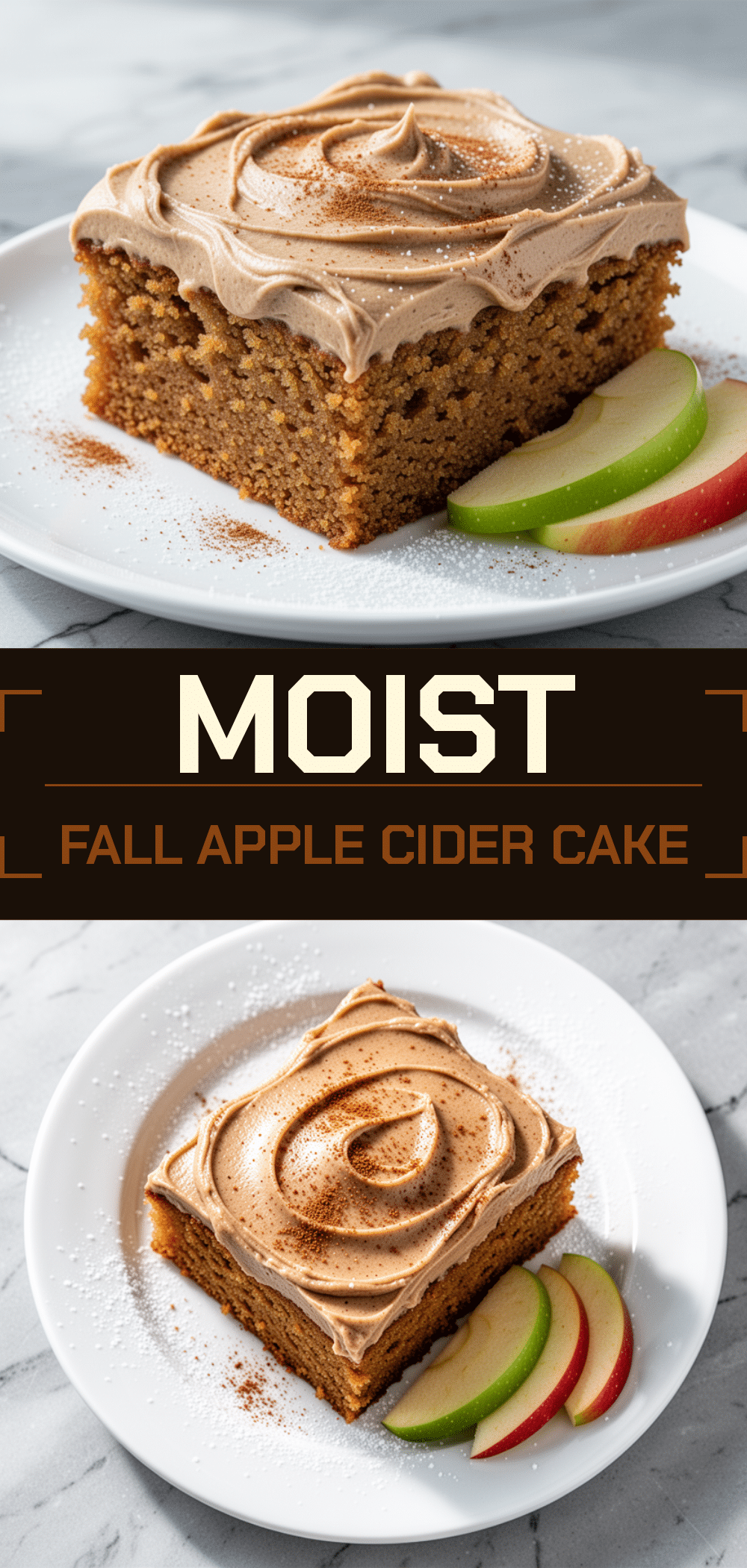
Fall Apple Cider Sheet Cake: Easy Best Recipe
- Total Time: 45 minutes
- Yield: 12 servings 1x
Description
A moist, spiced sheet cake made with reduced fresh apple cider and topped with a creamy cinnamon brown sugar frosting. This beginner-friendly dessert is perfect for autumn and requires minimal cleanup.
Ingredients
- 2 cups fresh apple cider
- 1/2 cup unsalted butter, softened
- 1 cup granulated sugar
- 1/2 cup packed brown sugar
- 2 large eggs, room temperature
- 2 teaspoons vanilla extract
- 2 cups all-purpose flour
- 1 teaspoon baking powder
- 1/2 teaspoon baking soda
- 1/2 teaspoon salt
- 1 teaspoon ground cinnamon
- 1/2 cup unsalted butter, softened (for frosting)
- 2 cups powdered sugar
- 2–3 tablespoons heavy cream
- 1/2 cup packed brown sugar (for frosting)
- 1 teaspoon ground cinnamon (for frosting)
- 1/4 teaspoon salt (for frosting)
Instructions
- Pour 2 cups of apple cider into a saucepan and bring to a boil over medium-high heat. Reduce heat to medium-low and simmer for 15-20 minutes until reduced to about 1/2 cup syrup. Let cool completely.
- Preheat oven to 350°F (175°C). Grease a 9×13 inch baking pan and line with parchment paper if desired.
- In a large mixing bowl, cream together 1/2 cup softened butter, granulated sugar, and brown sugar until light and fluffy (2-3 minutes).
- Add eggs one at a time, beating well after each addition. Stir in vanilla extract and the cooled reduced apple cider.
- In a separate bowl, whisk together flour, baking powder, baking soda, salt, and cinnamon.
- Gradually add dry ingredients to wet ingredients, mixing on low speed until just combined. Do not overmix.
- Pour batter into prepared pan and spread evenly. Bake for 30-35 minutes or until a toothpick inserted in the center comes out clean.
- Let cake cool in pan for 10 minutes, then transfer to a wire rack to cool completely.
- While cake cools, beat 1/2 cup softened butter until creamy. Add brown sugar, cinnamon, and salt; beat until combined.
- Gradually add powdered sugar and heavy cream, alternating, until spreadable consistency is reached.
- Spread frosting over cooled cake. Sprinkle with extra cinnamon or chopped nuts if desired. Cut into squares and serve.
Notes
Ensure the apple cider is reduced properly to concentrate flavor and prevent a soggy cake. Use room temperature ingredients for best emulsification. Do not overmix the batter to avoid a tough texture. The cake stays moist for days and can be frozen for up to 3 months.
- Prep Time: 15 minutes
- Cook Time: 30 minutes
- Category: Dessert
- Cuisine: American
Nutrition
- Serving Size: 1 slice
- Calories: 380
- Sugar: 38
- Sodium: 250
- Fat: 16
- Saturated Fat: 10
- Carbohydrates: 55
- Fiber: 1
- Protein: 4
Keywords: apple cider cake, fall dessert, sheet cake, cinnamon frosting, easy baking, autumn recipes, apple cider syrup