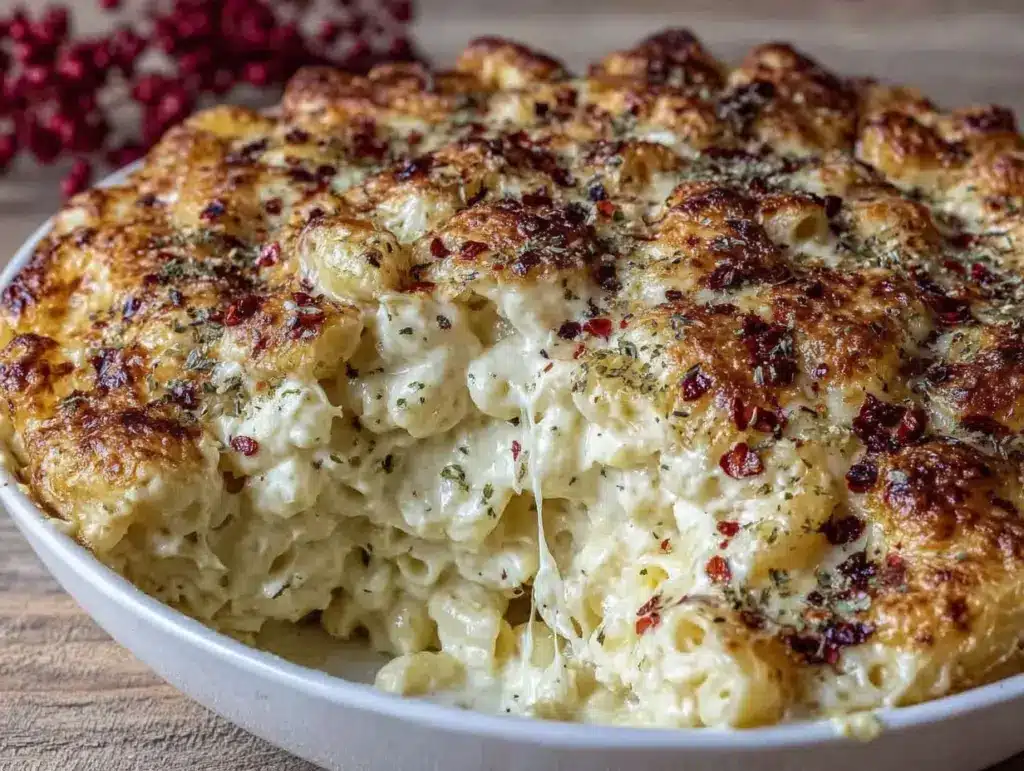
I still remember the first time I realized that not all mac and cheese was created equal. I was about twelve years old, sitting at my grandmother’s Formica table, staring at a bowl of what she called “proper” mac and cheese. It wasn’t the kind that comes out of a box with a neon orange powder. It wasn’t the kind that’s watery in the middle and burnt on the edges. It was a thick, golden custard that clung to every noodle, rich enough to make you close your eyes just to taste it properly.
My grandmother didn’t believe in shortcuts. She didn’t believe in pre-shredded cheese—she said it tasted like “plastic and regret”—and she certainly didn’t believe in rushing a béchamel sauce. For her, mac and cheese was a Sunday ritual, a slow, patient process that filled the whole house with the smell of browned butter and toasted bread crumbs. She used three cheeses: a sharp cheddar for the bite, a mild cheddar for the creaminess, and Gruyère for that nutty depth you just can’t fake. It was her way of showing love, one forkful at a time.
Years later, after I’d burned several pots of sauce and bought enough processed cheese to feed an army, I decided to go back to the source. I spent months tweaking ratios, testing different pasta shapes, and arguing with my husband about whether extra garlic was “too much” (it is not). What I ended up with is this ultra-creamy baked mac and cheese with three cheese blend. It’s the recipe I make when I need comfort, when I’m hosting family, or simply when I want to feel like I’m sitting in my grandmother’s kitchen again.
This isn’t just another pasta dish. It’s a lesson in patience and quality ingredients. It’s the kind of dish that disappears so fast you’ll wonder if anyone actually ate it. And trust me, once you try it, you’ll be making this on repeat. It’s richer than creamy roasted butternut squash soup but in a way that feels hearty and satisfying rather than light. Let’s make the real deal.
Why You’ll Love This Recipe
There are a lot of mac and cheese recipes out there. Some are quick, some are weird, and some just… don’t work. This one works because it respects the fundamentals. Here’s why this specific three-cheese blend has taken over our weeknight rotations and holiday tables alike.
Actually Creamy, Not Greasy
So many baked pastas end up with a layer of oil on top or a grainy texture. The secret here is the roux-to-milk ratio and the timing of the cheese addition. We build a proper béchamel first, then fold in the cheeses off the heat. This ensures a silky, emulsified sauce that coats the pasta without separating. It’s smooth, luxurious, and utterly addictive.
The Three-Cheese Balance
Using just one cheese often leads to a flat flavor profile. Sharp cheddar gives you that punchy, tangy kick. Mild cheddar melts beautifully to provide body. And Gruyère? It’s the secret weapon. It adds a sophisticated, nutty complexity that elevates the dish from “comfort food” to “gourmet comfort food.” You’ll taste the difference immediately.
It Feeds a Crowd (and Then Some)
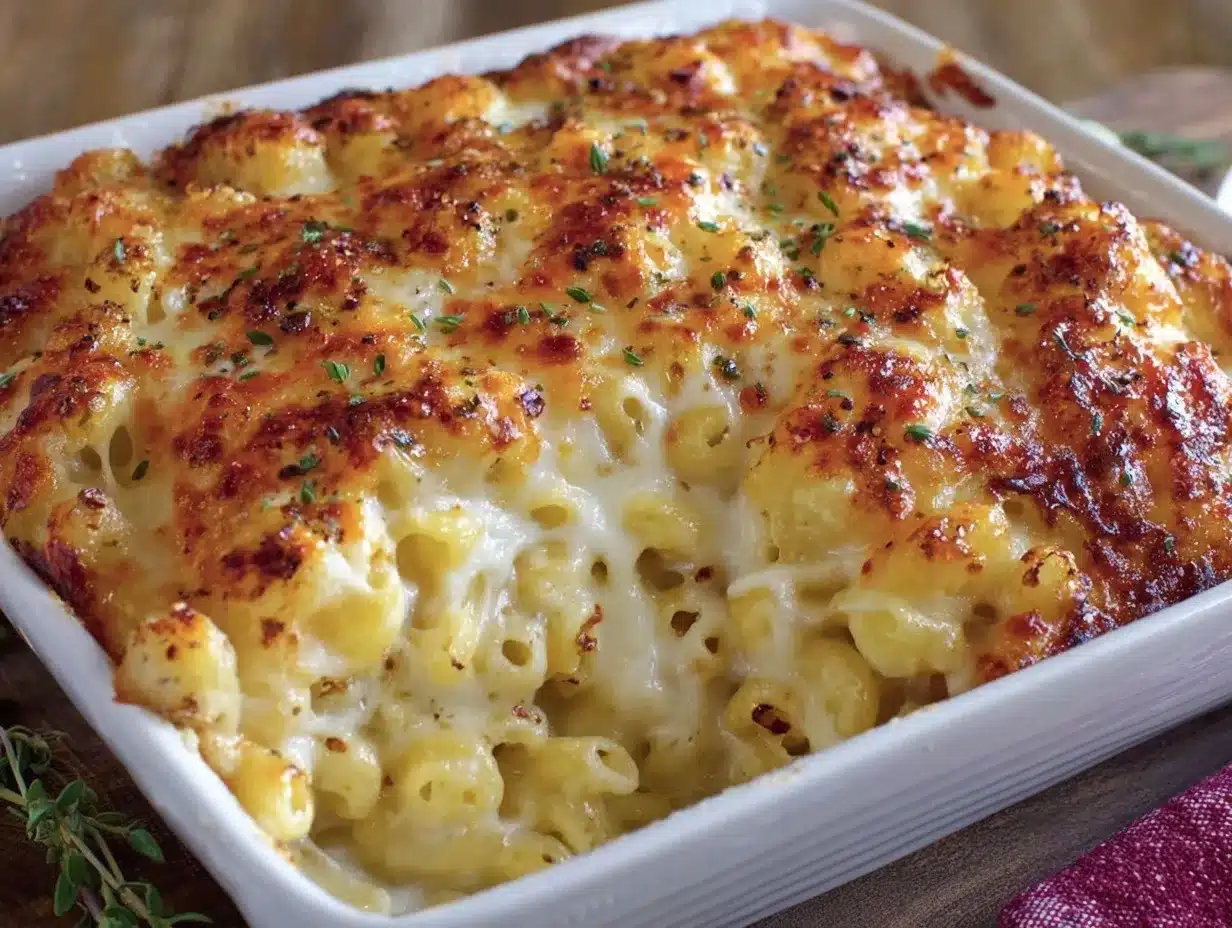
This recipe is a crowd-pleaser in the truest sense. I’ve served this to picky teenagers who usually only eat chicken nuggets, and they’ve asked for seconds. It’s also perfect for potlucks because it travels well and stays warm. Unlike a delicate high-protein Greek yogurt cheesecake that might weep in the heat, this mac and cheese holds its structure beautifully.
Leftovers That Actually Taste Good
Real talk: most leftover pasta is sad. This leftover mac and cheese is better than the fresh batch. The flavors meld together overnight, and reheating it in the oven brings back that golden, crispy top. I deliberately make extra for lunch on Tuesday because I know Wednesday will be a breeze.
Ingredients You’ll Need
Before we get to the stove, let’s talk about what goes into this pot. I’m particular about these ingredients because they make the difference between “okay” and “unforgettable.” You don’t need anything exotic, but you do need quality.
The Pasta
Elbow Macaroni or Cavatappi (1 pound / 450g) — I prefer Cavatappi (corkscrew pasta) because the curves hold more sauce, but classic elbow works too. Avoid thin spaghetti-style noodles; they get lost in the cheese. Look for pasta made from semolina flour—it has a better bite and holds up to baking without turning mushy.
The Roux (The Base)
Unsalted Butter (½ cup / 113g) — This is your flavor foundation. Use good quality butter. I don’t skimp here. It provides the richness and helps thicken the sauce.
All-Purpose Flour (½ cup / 60g) — This combines with the butter to create the roux. It’s what turns milk into a thick, creamy sauce. Make sure your butter is melted but not browned yet.
The Liquid
Whole Milk (4 cups / 960ml) — Do not use skim milk. You need the fat for creaminess. If you want to be extra luxurious, you can swap 1 cup of the milk for heavy cream, but whole milk works perfectly fine and isn’t as heavy.
Dijon Mustard (1 tablespoon) — This is the hidden ingredient. It doesn’t make the mac and cheese taste like mustard. It cuts through the richness of the cheese and brightens the flavor profile. Think of it like lemon juice in a soup.
Worcestershire Sauce (1 teaspoon) — Another umami booster. Just a splash. It adds depth that salt alone can’t achieve.
The Cheese Blend (The Stars of the Show)
Sharp Cheddar (2 cups / 200g, freshly grated) — This is your flavor powerhouse. Buy a block of sharp cheddar and grate it yourself. Pre-shredded cheese contains cellulose to prevent clumping, which prevents your sauce from melting smoothly. Trust me, grate your own.
Mild Cheddar (2 cups / 200g, freshly grated) — This provides the meltability. Sharp cheddar can be a bit brittle when melted; mild cheddar keeps everything gooey and elastic.
Gruyère Cheese (1 cup / 100g, freshly grated) — This is the French touch. It melts beautifully and adds a nutty, slightly sweet complexity. If you can’t find Gruyère, a good fontina or even half-and-half with a little Parmesan works, but Gruyère is best.
The Topping
Panko Breadcrumbs (½ cup / 50g) — These give you that essential crunch. Regular breadcrumbs are too dense; Panko is light and crispy.
Melted Butter (2 tablespoons) — Toss the Panko with this butter before sprinkling it on top. This ensures it turns golden brown in the oven instead of staying pale and dry.
Garlic Powder (½ teaspoon) — Just a hint. Fresh garlic can burn in the oven, so powder is safer for the topping.
Equipment Needed
You don’t need a fancy kitchen to make this. Here’s what I actually use, and what you can substitute.
9×13 Inch Baking Dish — A standard glass or ceramic dish works best. Glass shows you the browning progress, which is helpful. If you don’t have one, two 8×8 dishes work too (you’ll just save some for later).
Large Dutch Oven or Heavy-Bottomed Pot — For boiling the pasta. You need something that holds heat well so the water comes back to a boil quickly.
Medium Saucepan — This is where the magic happens. You’ll make the béchamel sauce here. A saucepan with a thick bottom prevents scorching. I use a 3-quart saucepan.
Box Grater — Essential for the cheese. Microplane works for hard cheeses, but a box grater is faster for cheddar. Remember: grate your own cheese!
Whisk — You need a good whisk to break up lumps in the roux and sauce. A silicone spatula is also handy for scraping the sides of the pan.
Colander — For draining the pasta. Make sure it’s large enough to handle a pound of noodles.
How to Make It: Step-by-Step
Alright, let’s get cooking. This process is straightforward, but it requires attention. I’m walking you through exactly how I do it, including the little tricks my grandmother taught me.
Step 1: Prep Your Cheese and Oven
Preheat your oven to 350°F (175°C). Grease your 9×13 baking dish with a little butter or non-stick spray. While the oven heats, grate all your cheeses. Yes, all of them. Mix the sharp cheddar, mild cheddar, and Gruyère in a bowl. Having everything measured and ready before you start cooking the sauce will save you from panic when the milk is boiling.
Step 2: Cook the Pasta
Bring a large pot of generously salted water to a boil. The water should taste like the sea. Add the macaroni and cook according to the package directions, but stop 1 minute short of al dente. The pasta will continue to cook in the oven, so if you boil it until it’s perfect now, it’ll be mushy later. Drain the pasta and set it aside. Do not rinse it! You want that starch to help the sauce cling.
Step 3: Make the Roux
In your medium saucepan, melt the ½ cup of butter over medium heat. Once it’s foaming, sprinkle in the ½ cup of flour. Whisk constantly for about 1-2 minutes. You’re cooking out the raw flour taste. The mixture should look like wet sand and smell slightly nutty. Don’t let it brown; you just want a pale blonde roux.
Step 4: Build the Béchamel
Slowly pour in the milk, a little at a time, whisking constantly. This is crucial. If you dump it all in at once, you’ll get lumps. Once all the milk is in, keep whisking. The sauce will start to thicken as it heats up. Let it simmer gently for 5-7 minutes. It’s ready when it coats the back of a spoon heavily. If you run your finger across the spoon, the line should stay clear.
Step 5: Season and Add Cheese
Remove the saucepan from the heat. This is important! If you add cheese to a boiling sauce, it can seize up and become grainy. Stir in the Dijon mustard, Worcestershire sauce, garlic powder, salt, and black pepper. Taste the sauce. It should be seasoned well, maybe even a little too salty, because the pasta and cheese will balance it out.
Now, add the grated cheese. Start with half, whisk until melted, then add the rest. Stir until smooth and glossy. You should have a thick, velvety cheese sauce. If it’s too thick, add a splash of milk. If it’s too thin, it’s okay—it will thicken as it bakes.
Step 6: Combine
Transfer the cooked pasta to the saucepan with the cheese sauce. Fold everything together gently. You want every noodle coated in that golden goodness. Pour the mixture into your prepared baking dish. Smooth the top with a spatula.
Step 7: The Topping and Bake
In a small bowl, toss the Panko breadcrumbs with the 2 tablespoons of melted butter and a pinch of garlic powder. Sprinkle this evenly over the top of the mac and cheese. This is your crunchy crown.
Bake for 25-30 minutes. You’re looking for the top to be golden brown and bubbly. If the top is browning too fast but the middle isn’t hot, cover it loosely with foil for the last 10 minutes. Let it rest for 10 minutes before serving. This allows the sauce to set slightly so you get clean scoops instead of a soup.
Expert Tips & Tricks
Here’s everything I’ve learned from making this dozens of times. These tips will save you from my early mistakes.
Grate Your Own Cheese
I cannot stress this enough. Pre-shredded cheese is coated in anti-caking agents (like cellulose) that prevent it from melting smoothly. Your sauce will look grainy and oily. Buy blocks and grate them. It takes 5 minutes and makes a world of difference. It’s the same reason why chocolate chip cookie bars turn out so much better with freshly chopped chocolate.
Don’t Overcook the Pasta
Undercook it by a minute. Pasta expands and softens in the oven. If you boil it until it’s perfectly tender, it will turn into mush by the time it comes out of the oven. Al dente is your friend.
Room Temperature Ingredients
If your milk is ice cold, it can shock the roux and cause lumps. Take your milk out of the fridge 15 minutes before you start. If you forget, warm it slightly in the microwave. Same goes for the cheese—cold cheese takes longer to melt and can cool down the sauce too quickly.
The Resting Period
I know it’s tempting to dig in immediately. But wait. Letting the mac and cheese rest for 10 minutes allows the sauce to re-absorb some of the moisture and set. It makes for a much nicer texture when you serve it. Plus, it’s not scalding hot.
Variations & Substitutions
Once you’ve nailed the basic version, here’s how you can mix it up. I’ve tried all of these, and they’re delicious.
Add Some Heat
Throw in some diced jalapeños or a teaspoon of cayenne pepper to the sauce. It cuts through the richness and adds a nice kick. This pairs well with the smokiness of crispy baked chicken wings if you’re making a game day spread.
Bacon and Broccoli
Stir in 1 cup of cooked, crumbled bacon and 1 cup of steamed broccoli florets before baking. It adds texture and makes the dish more filling. My kids love this version.
Gluten-Free
Use gluten-free pasta. Most brands hold up well in baking. Make sure your Panko is gluten-free (or use crushed gluten-free crackers) and check that your Worcestershire sauce is GF (some brands contain malt vinegar).
Lighter Version
Swap half the milk for chicken broth and use less cheese. It’s not as indulgent, but it’s lighter. I usually save the “light” version for when I’m trying to be good, but I always go back to the full-fat version.
Dairy-Free
This is trickier. Use dairy-free butter and milk (oat milk works best for creaminess). For cheese, use a high-quality vegan cheddar and nutritional yeast for the nutty flavor. It’s different, but there are good options out there now.
Serving & Storage
How to serve and store this masterpiece.
How to Serve
I serve this straight from the baking dish at the table. It looks rustic and homemade. Pair it with a simple green salad with vinaigrette to cut the richness. Or, if you’re feeling fancy, add some roasted asparagus or stuffed acorn squash for a complete meal.
Storage
Store leftovers in an airtight container in the fridge for up to 4 days. The sauce will thicken in the fridge, which is normal.
Reheating
Best method: Oven. Cover with foil and bake at 350°F for 20 minutes. If it looks dry, add a splash of milk before covering. Microwave works too, but add a splash of milk and heat in 30-second intervals, stirring in between. Avoid the microwave if you want that crispy top back—you won’t get it.
Freezing
I don’t recommend freezing this. The cheese sauce can separate and become grainy when thawed. It’s best made fresh. If you must freeze, freeze the unbaked dish. Thaw in the fridge overnight, then bake as directed, adding 10-15 minutes to the cook time.
Nutrition Information
I’m not a nutritionist, but here’s the breakdown if you’re tracking. Keep in mind that this is a rich, indulgent dish.
Per Serving (based on 8 servings):
- Calories: 580
- Protein: 22g
- Carbs: 55g
- Fat: 28g
- Saturated Fat: 16g
- Cholesterol: 75mg
- Sodium: 650mg
This is comfort food. It’s not a diet recipe. But it’s made with real ingredients, and when you enjoy it in moderation, it’s a wonderful treat. If you’re looking for something lighter, try a diabetic-friendly baked salmon with veggies instead.
Final Thoughts
So there you have it—my ultra-creamy baked mac and cheese with three cheese blend. It’s a recipe that’s close to my heart, rooted in the memories of my grandmother’s kitchen. It’s not just about the cheese or the pasta; it’s about the time you take to make it, the care you put into grating each block, and the joy of sharing it with people you love.
I hope this recipe becomes a part of your family’s traditions. Make it on a cold Sunday, make it for a holiday, or just make it because you need a hug in a bowl. And when you do, let me know how it turns out. I love hearing your stories and seeing your creations.
Happy cooking! I hope your kitchen smells as good as mine does right now.
Frequently Asked Questions
Can I use different pasta shapes?
Yes! Cavatappi, penne, radiatori, or even shells work great. Just avoid long, thin pastas like spaghetti or linguine, as they don’t hold the sauce as well. Stick to short, sturdy shapes.
Why is my mac and cheese grainy?
This usually happens if the heat was too high when you added the cheese, or if you used pre-shredded cheese. Always add cheese off the heat, and always grate your own. If it’s already grainy, you can sometimes save it by whisking in a little hot milk or cream.
Can I make this ahead of time?
Absolutely. Assemble the dish up to 24 hours in advance, cover tightly, and refrigerate. When you’re ready to bake, take it out of the fridge 30 minutes before cooking to take the chill off. You may need to add 5-10 minutes to the baking time.
What’s the best cheese to use if I can’t find Gruyère?
Fontina is a great substitute—it melts beautifully and has a mild, earthy flavor. You could also use a mix of Parmesan and Asiago, but Gruyère is the classic choice for a reason.
How do I get the top extra crispy?
Broil it for the last 2-3 minutes of baking. Watch it closely! Panko can go from golden to burnt in seconds. Keep the oven door slightly ajar if your broiler is very strong.
Can I add meat?
Yes! Cooked bacon, ham, or shredded chicken are all delicious additions. Stir them in with the pasta before baking. Just be aware that adding meat might require a little more sauce, so have some extra cheese sauce ready.
Does this taste better the next day?
Many people say yes! The flavors meld together overnight, and the texture becomes even creamier. Leftovers are actually a highlight for many of my family members. Just reheat gently with a splash of milk.
Pin This Recipe!
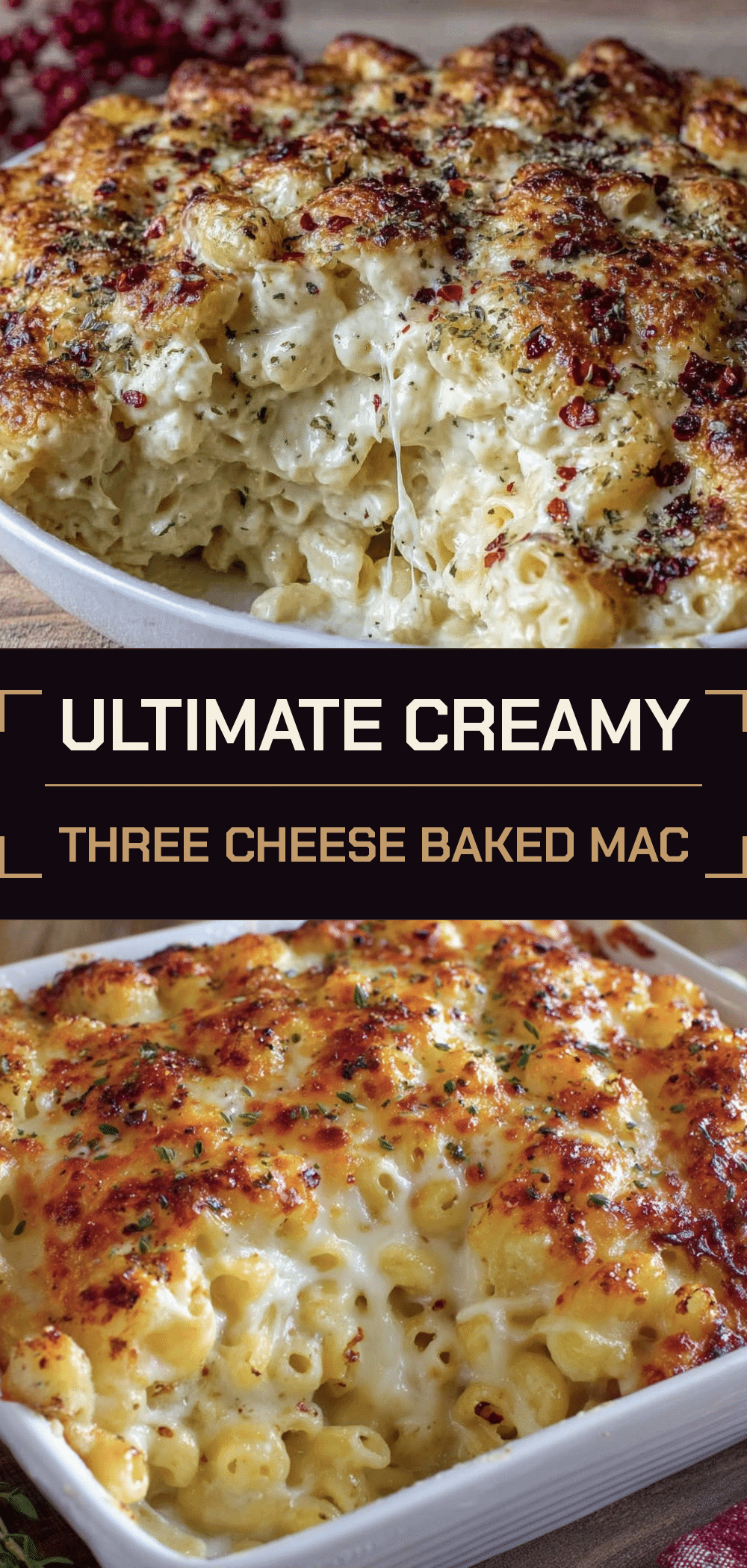
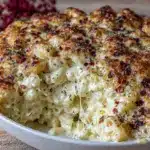
Ultra-Creamy Baked Mac and Cheese: 3 Cheeses, Grandmas Way
- Total Time: 50 minutes
- Yield: 8 servings 1x
Description
A rich, comforting baked mac and cheese featuring a homemade béchamel sauce and a blend of sharp cheddar, mild cheddar, and Gruyère, topped with crispy panko breadcrumbs.
Ingredients
- 1 pound (450g) Elbow Macaroni or Cavatappi
- ½ cup (113g) Unsalted Butter
- ½ cup (60g) All-Purpose Flour
- 4 cups (960ml) Whole Milk
- 1 tablespoon Dijon Mustard
- 1 teaspoon Worcestershire Sauce
- 2 cups (200g) Sharp Cheddar, freshly grated
- 2 cups (200g) Mild Cheddar, freshly grated
- 1 cup (100g) Gruyère Cheese, freshly grated
- ½ cup (50g) Panko Breadcrumbs
- 2 tablespoons Melted Butter
- ½ teaspoon Garlic Powder
- Salt and Black Pepper to taste
Instructions
- Preheat oven to 350°F (175°C) and grease a 9×13 inch baking dish.
- Grate all cheeses (sharp cheddar, mild cheddar, and Gruyère) and mix in a bowl.
- Bring a large pot of generously salted water to a boil. Cook pasta for 1 minute less than package directions (undercook slightly). Drain and set aside; do not rinse.
- In a medium saucepan, melt ½ cup butter over medium heat. Whisk in flour and cook for 1-2 minutes until it resembles wet sand and smells nutty.
- Slowly pour in milk, whisking constantly to prevent lumps. Simmer for 5-7 minutes until the sauce thickens enough to coat the back of a spoon.
- Remove saucepan from heat. Stir in Dijon mustard, Worcestershire sauce, garlic powder, salt, and pepper.
- Add half the grated cheese and whisk until melted. Add remaining cheese and stir until smooth and glossy.
- Fold the cooked pasta into the cheese sauce until fully coated. Pour mixture into the prepared baking dish.
- Toss panko breadcrumbs with 2 tablespoons melted butter and a pinch of garlic powder. Sprinkle evenly over the mac and cheese.
- Bake for 25-30 minutes until the top is golden brown and bubbly. If browning too fast, cover loosely with foil.
- Let rest for 10 minutes before serving to allow the sauce to set.
Notes
Grate your own cheese to avoid anti-caking agents that prevent smooth melting. Undercook pasta slightly as it will continue to cook in the oven. Let the dish rest for 10 minutes after baking for cleaner slices. For leftovers, reheat in the oven with a splash of milk to restore creaminess.
- Prep Time: 20 minutes
- Cook Time: 30 minutes
- Category: Main Course
- Cuisine: American
Nutrition
- Serving Size: 1 cup
- Calories: 580
- Sugar: 6
- Sodium: 650
- Fat: 28
- Saturated Fat: 16
- Carbohydrates: 55
- Fiber: 2
- Protein: 22
Keywords: mac and cheese, baked mac and cheese, three cheese blend, comfort food, creamy mac and cheese, cheddar, gruyere, panko topping, family dinner